
Seed preparation
Celosia seed is small, black and shiny. Mix it with a pinch of dry sand to sow it thinly, or drop two or three seeds into each cell and thin to the strongest seedling.
Flower growing guide
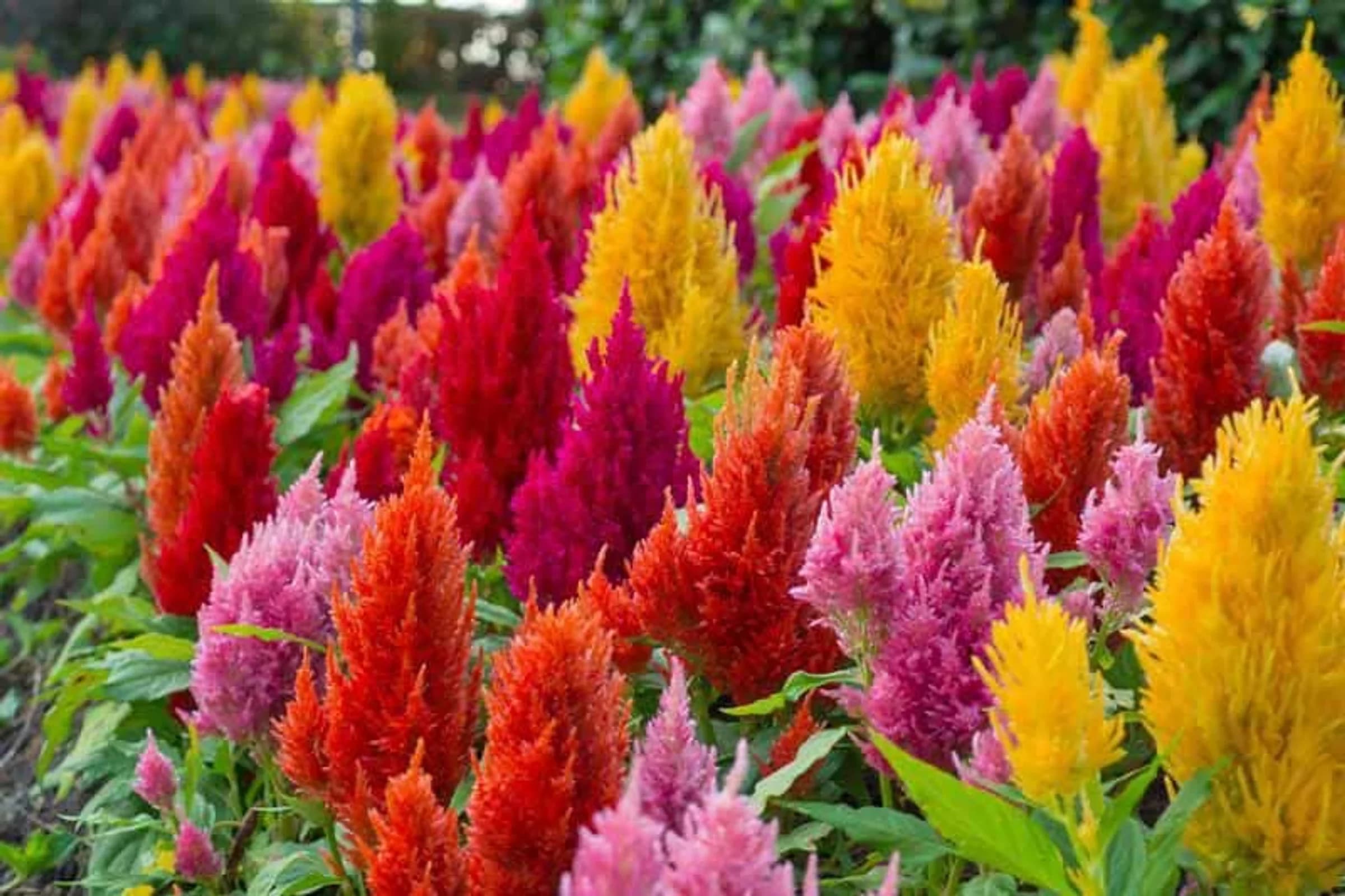
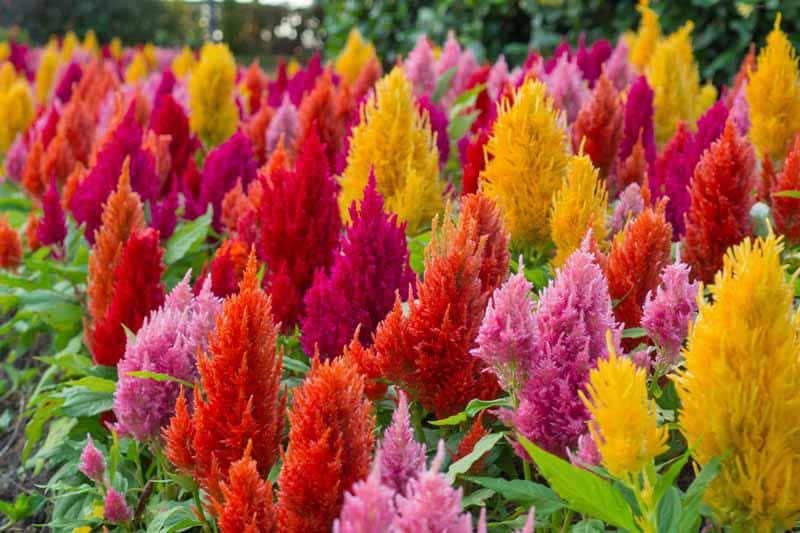
Celosia, the plumed and crested cockscomb, is a heat-loving annual grown for long-lasting flower heads that also dry well. Sow the tiny seed warm and shallow in individual cells, and plant out before the seedlings get pot-bound.
Celosia seed is small, black and shiny. Mix it with a pinch of dry sand to sow it thinly, or drop two or three seeds into each cell and thin to the strongest seedling.
Not needed. The seed coat does not block water uptake.
Not needed. Celosia is a tropical annual and germinates as soon as it is warm and moist; cold only slows it down.
Not needed. Soaking tiny seed makes it clump and hard to sow; keep the sown tray evenly moist instead.
Keep the tray at 21-24 °C (70-75 °F) or warmer. Below 16 °C (60 °F) seedlings are stunted and may flower too early with small heads, which they never grow out of.
Press the seed onto the surface and cover it very thinly. Outdoors, sow in shallow drills and cover lightly with fine soil.
A light, sterile, free-draining seed compost in individual cells or small pots. Clean trays and fresh compost help prevent damping-off.
Mist or water gently so the surface stays moist until the seedlings appear, then keep the young plants slightly on the dry side.
Light is not needed for germination, but move the tray into bright light as soon as the first seedlings show, or they stretch.
Usually 7-14 days at the right temperature.
Plant out at the 2-4 leaf stage, about four weeks after sowing, once nights stay above about 18-21 °C (65-70 °F). Do not keep seedlings waiting in small packs: pot-bound celosia stays stunted. Space bedding types 15-30 cm (6-12 in) apart; for cut flowers allow about 45 cm (18 in) for crested and 60 cm (24 in) for plumed types.
Water regularly for the first weeks so growth never checks; irregular watering, like cold, pushes plants into early flowering. For more, smaller heads, pinch plumed and crested types about two weeks after planting; for one big crested head, leave the first bloom.

Grow celosia in full sun, at least six hours a day, in fertile, well-drained soil. Heavy, waterlogged soil leads to root rot.
Dig compost or well-rotted manure into the bed before planting rather than relying on repeated fertilizer doses; soil rich in organic matter gives more vigorous plants.
Celosia loves heat and does not tolerate frost. In temperate climates sow indoors about four weeks before the last frost; in warm and tropical climates it can be grown through the warm season, but give it good drainage during heavy rain.
Cut crested heads when the centre has expanded but before the edges discolour, and plumes when about half the flowers are open. Hang them upside down in a dry, airy place out of sun to keep their colour.
Heads left on the plant set seed that scatters. Deadhead if you do not want seedlings next year.
Sow celosia warm and shallow for bright plumes and crests all through the hot season.
Seedling stress makes celosia flower early: cold below 16 °C (60 °F), roots crowded in small pots, or uneven watering. Plant out young into warm soil and keep watering steady.
Yes, once the soil is warm and nights are mild. Direct-sown plants often make larger flower heads; cover the seed only lightly and keep the surface moist until it comes up.
Cut crested heads when fully formed and plumes when about half open, strip most leaves and hang the stems upside down somewhere dry, dark and airy until they are crisp.

