
Seed preparation
Larkspur seed needs a cold period. Autumn-sown seed gets it naturally in the soil. For a spring sowing, put the dry seed in a sealed bag in the refrigerator first.
Flower growing guide
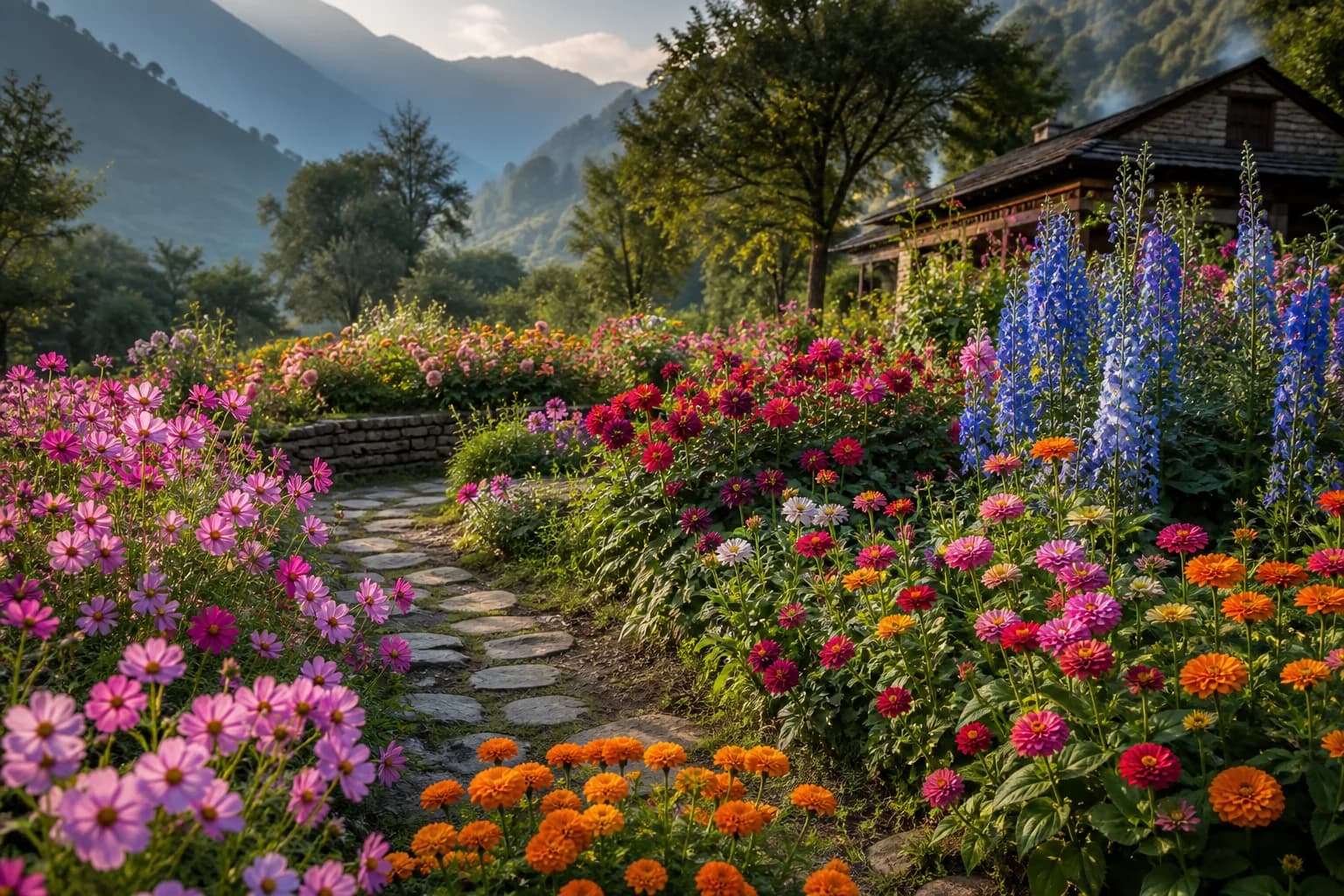
Annual larkspur gives tall spikes of blue, pink and white flowers for borders and cutting. It likes cool soil and hates being moved, so sow it directly in autumn or after chilling the seed for a spring sowing.
Larkspur seed needs a cold period. Autumn-sown seed gets it naturally in the soil. For a spring sowing, put the dry seed in a sealed bag in the refrigerator first.
Not needed. Larkspur seed is not hard-coated.
Recommended for spring sowing: chill the dry seed at 2-4 °C (35-40 °F) for about 3 weeks. Not needed for autumn sowing.
Not needed. Sow the chilled seed dry into moist soil.
Cool. Larkspur germinates and grows best in cool weather and does poorly when sown into warm summer soil. In temperate gardens sow in early autumn or early spring. On the North Indian plains grow it as a winter annual: sow from mid-September into October, after the monsoon heat breaks.
About 0.6 cm (1/4 in). Keep the seed covered: shallow-sown seed is easily washed or blown out.
Well-drained loam, sandy or chalky soil, neutral to slightly alkaline. Strongly alkaline ground can cause yellowing from iron shortage.
Keep the seedbed evenly moist, not waterlogged, until seedlings are up. Cold, wet, heavy soil encourages root and crown rots.
No light is needed for germination; cover the seed. Choose a sunny, sheltered bed.
Slow and often uneven. Sow about three times more seed than the plants you want and thin later.
Avoid it where possible. If you raise plants under cover in early spring, sow into deep modules and plant out young, without breaking the root ball, about 2-3 weeks before the last frost.
Thin seedlings to about 15 cm (6 in) apart. Dense, even stands support each other and give long stems for cutting.
Put up support netting or canes while plants are small; tall varieties are easily flattened by wind and rain. Larkspur is frost-hardy, so autumn-sown seedlings overwinter outdoors in most temperate climates.
Sowing in batches a few weeks apart extends flowering from early to late summer in temperate climates, and through the winter season on the Indian plains.
For fresh flowers cut when about a quarter to a third of the florets are open; for dried flowers hang stems upside down in a dry, airy place.
Leave a few spikes to ripen seed in informal beds and larkspur often comes back by itself the next season.
All parts of larkspur, especially the seeds, are poisonous if eaten. Keep seed packets away from children and do not grow it where livestock graze.
Sow larkspur directly into cool soil for tall spikes of flowers for borders and vases.
On the North Indian plains larkspur is a winter annual: sow from mid-September into October, directly where it will flower, and expect blooms from December to March. In the hills, where winters are hard, sow in spring after chilling the seed.
Botanically, annual larkspur is now placed in the genus Delphinium, but it is a quick annual, while garden delphiniums are tall perennials. Grow larkspur from seed every year or let it self-sow.
Usually the soil was too warm or the seed had no cold period. Sow in autumn, or chill the seed in the fridge for about 3 weeks before a spring sowing.
Yes. All parts, and particularly the seeds, contain alkaloids that can cause serious illness if eaten. Wash your hands after handling seed.