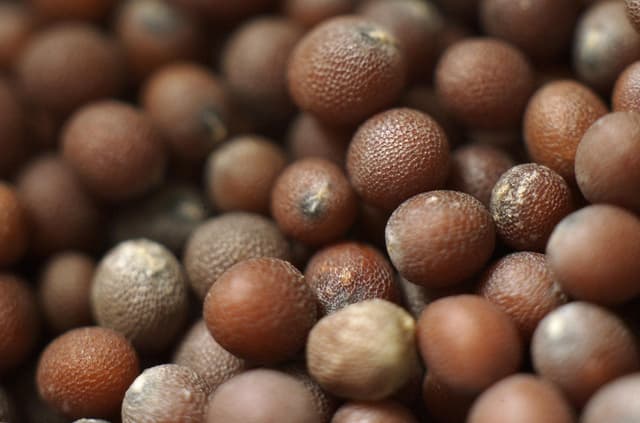
Seed preparation
Store seed cool and dry until sowing; NC State notes that seed kept cool before planting helps prevent early bolting. Time the sowing about 12 weeks before your first autumn frost so plants are full-sized when it turns cold.
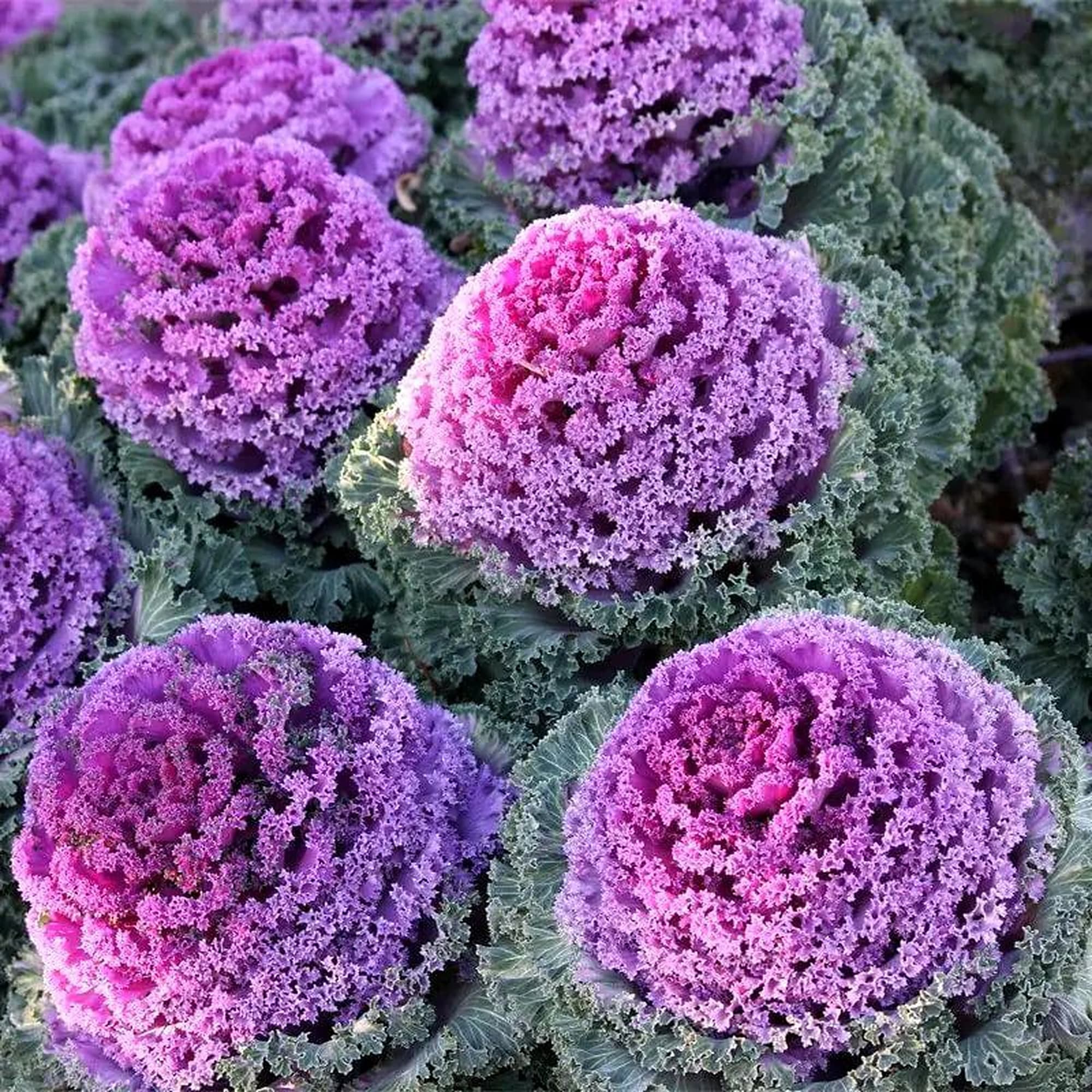
Flower growing guide
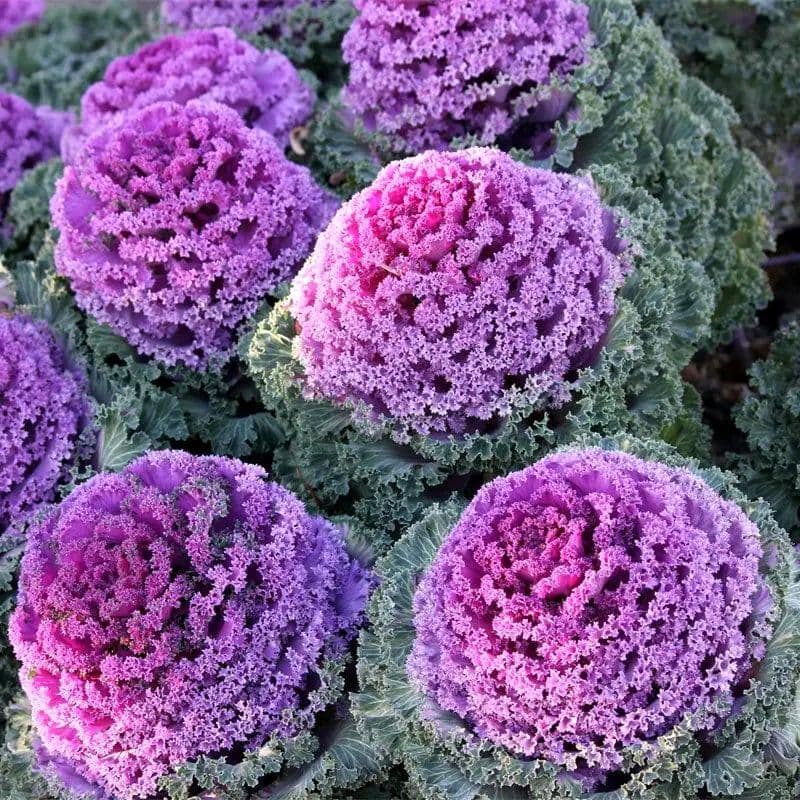
Ornamental kale and flowering cabbage are cool-season bedding plants grown for their white, pink, red and purple leaf rosettes. Sow in summer for an autumn display, or for the cool winter months in warm climates; colour comes once nights drop below about 10 °C (50 °F).
Store seed cool and dry until sowing; NC State notes that seed kept cool before planting helps prevent early bolting. Time the sowing about 12 weeks before your first autumn frost so plants are full-sized when it turns cold.
Not needed. Like all cabbage seed, it takes up water readily.
Not needed. The seed germinates without a cold period; cold matters only later, for leaf colour.
Not needed. Sow dry seed into moist mix.
Germinate at 21-24 °C (70-75 °F), then grow seedlings cooler, at 16-18 °C (60-65 °F) or a little below, so they stay compact. For cabbage, the same species, Oregon State data show emergence in about 15 days at 10 °C (50 °F), 6 days at 20 °C (68 °F) and 4 days at 25 °C (77 °F).
Sow one or two seeds per cell and cover lightly, no deeper than about 1.3 cm (1/2 in), the depth used in the Oregon State cabbage tests. Cornell uses 72- to 144-cell trays.
A fine, well-drained seed-starting mix. Later the plants need fertile, moist garden soil with pH about 6.0-8.0.
Keep the mix evenly moist but not waterlogged; seedlings in soggy trays damp off.
Cover the seed. Give seedlings strong light as soon as they emerge so they do not stretch.
About 7-10 days in Cornell's July sowings; faster in warm mix.
Plant out at 4-5 weeks old as the weather starts to cool. Bury the stem so the lowest leaves sit at soil level.
Space bedding plants 30-45 cm (12-18 in) apart. For cut-stem heads, Cornell grows them at 15 x 15 cm (6 x 6 in) to keep heads small, strips lower leaves as stems lengthen and supports them with netting.
Plants grow little after cold weather arrives, so they must be full-sized before nights turn cool; colour then develops in the centre of the rosette.
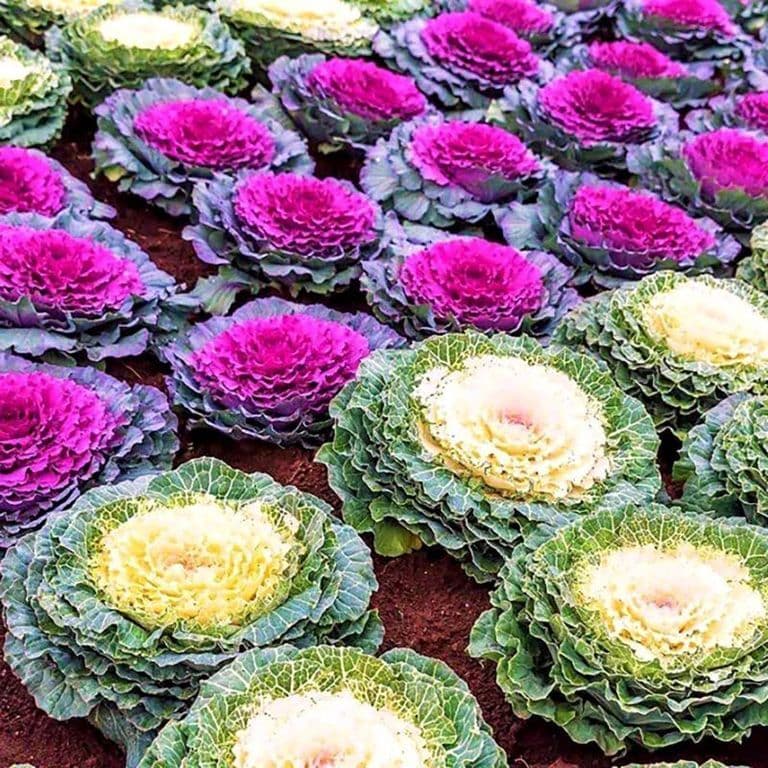
In frost-free regions it is a winter bedding plant: in Florida's warmest zones it is planted from December to February. On the Indian plains treat it the same way and sow for the cool season, not the monsoon.
Ornamental kale has frilled or feathered leaves, ornamental cabbage smooth ones. Bedding types are about 15-40 cm (6-15 in) tall; tall cut-flower series reach 60-90 cm (2-3 ft).
Plants are about 30 cm (12 in) wide. Groups in beds and containers give the strongest effect from autumn into winter.
The leaves are edible but more bitter than vegetable kale, and the colour turns grey when cooked; they are best used as a garnish.
Sow ornamental kale for a colourful cool-season display in beds and pots.
Colour develops when temperatures fall below about 10 °C (50 °F). In warm weather the centre stays green; sow so the plants mature in the cool season.
It is a biennial grown as an annual. It flowers with small yellow blooms in its second spring, after which the display is over.
Yes, it is edible, but more bitter than vegetable kale. Do not eat plants treated with garden chemicals that are not approved for food crops.