
Seed preparation
Wallflower seed is medium-sized and easy to handle. Sow it thinly in rows in a seed bed, or a few seeds per cell in a tray, so the seedlings can be lifted without tearing roots.
Flower growing guide
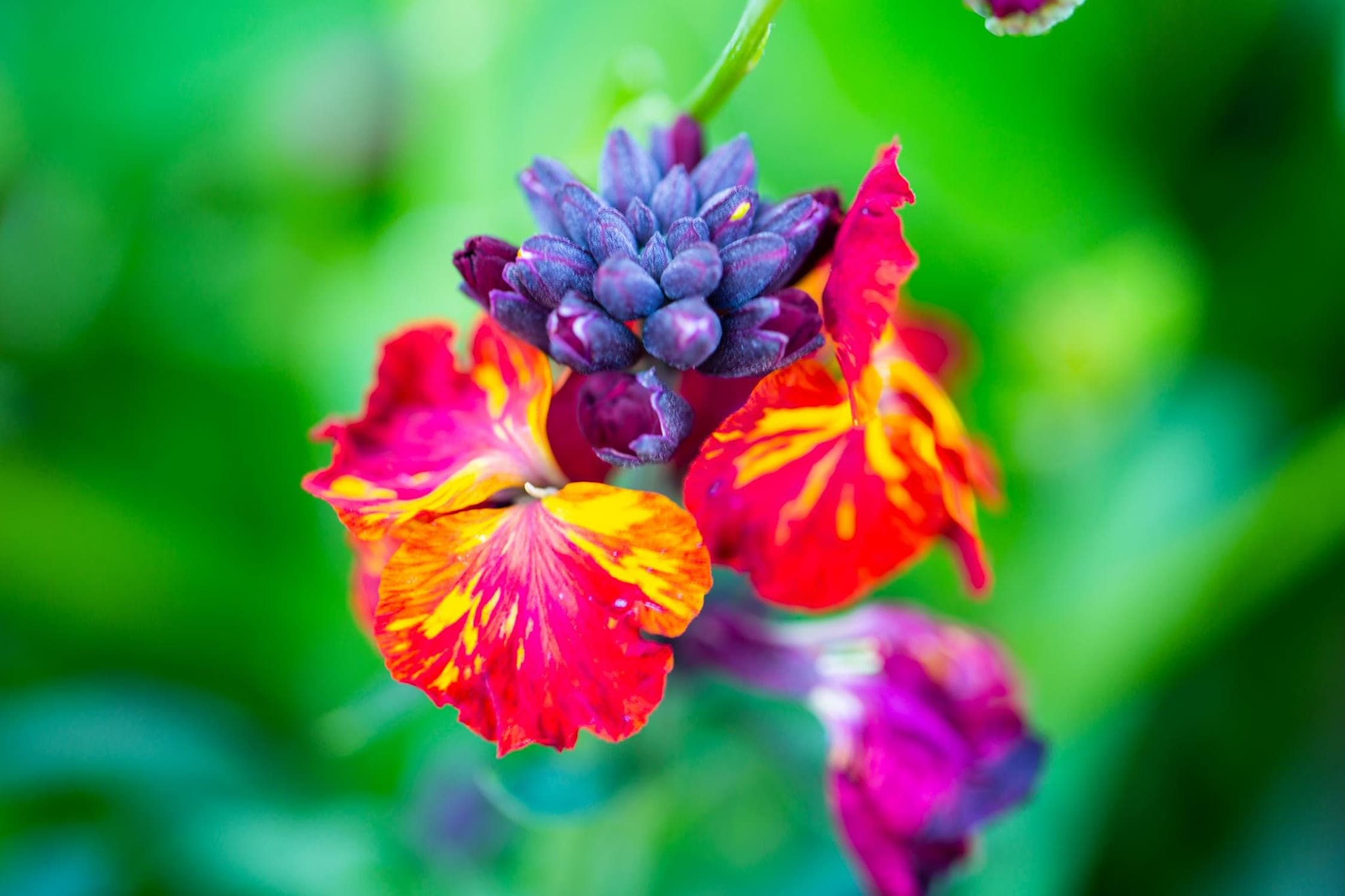
Wallflowers bring rich colour and a strong, sweet scent in spring, and are traditionally grown as biennials: sown one year to flower the next. This guide covers sowing, moving young plants and protecting them from clubroot, a soil disease of the cabbage family.
Wallflower seed is medium-sized and easy to handle. Sow it thinly in rows in a seed bed, or a few seeds per cell in a tray, so the seedlings can be lifted without tearing roots.
Not needed. The seed takes up water readily.
Not needed for germination. Seed sprouts in mild warmth; cool weather matters later, for strong plants and good flowering.
Not needed. Sow into moist soil or compost.
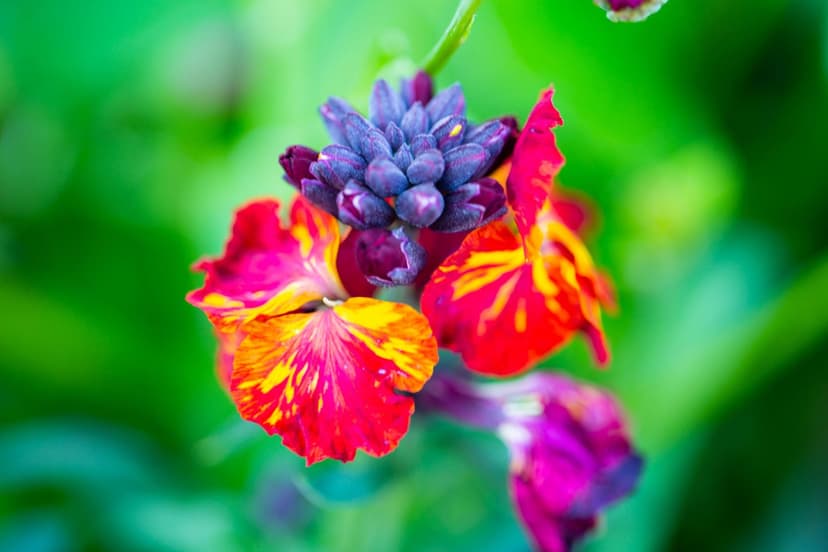
About 20-22 °C (68-72 °F) in the seed compost. Once seedlings are up, grow them cooler, around 15-18 °C (60-65 °F); wallflowers make sturdier plants in cool conditions.
Cover the seed with a light layer of fine soil or coarse vermiculite.
A clean, well-drained seed compost, or a seed bed of fine soil where cabbage-family crops have not grown recently.
Keep evenly moist until the seedlings emerge, then let the surface dry slightly between waterings. Constantly wet compost invites root rot.
Darkness or light both work for germination, so cover the seed as usual. Give seedlings full light as soon as they appear.
About 9-10 days at 20-22 °C.
In the traditional biennial method, seed is sown in late spring to early summer and the young plants are moved to their flowering positions in mid-autumn. Plant them so the base of the stem sits level with the soil, firm well and water in.
Leave about 20 cm (8 in) between plants for bedding. Wallflowers grow up to about 50 cm tall.
Pinch out the tip of young plants in summer if you want bushier plants with more flower spikes. Grow them in full sun and keep feeding light; lush, overfed plants are softer and less hardy.
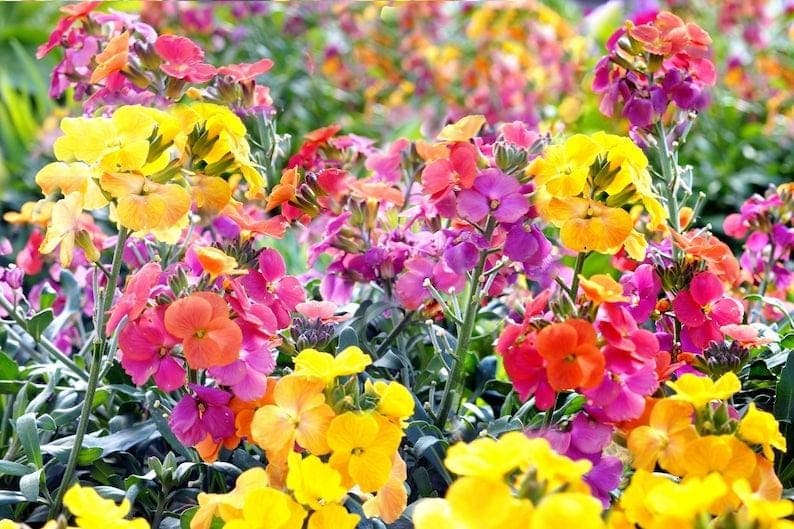
Wallflowers like cool weather and dislike hot, humid summers. In mild temperate climates and in the Indian hills, use the biennial method: sow in late spring or early summer for flowers the next spring. In the Indian plains, grow them through the cool season: sow as soon as the weather cools after the monsoon so plants have time to build up before flowering.
Wallflowers prefer poor to moderately fertile, well-drained soil, ideally neutral to alkaline, in full sun. They tolerate dry, rocky ground and even old walls, and rarely need fertiliser.
Where days are hot, light afternoon shade helps plants hold up through warm weather.
Plant wallflowers near paths, doors or windows, and in containers, where the fragrance can be enjoyed. They also make good cut flowers.
Sow wallflowers for fragrant spring colour in beds, borders and pots.
Botanically they are short-lived perennials, but gardeners usually grow them as biennials: sown one year to flower the next spring. Some modern varieties flower in their first season.
No. Cover the seed lightly and keep it moist at about 20-22 °C (68-72 °F); seedlings appear in about 9-10 days.
Wallflowers belong to the cabbage family and can catch clubroot, a soil disease that lasts for many years. Plant them in soil with no history of clubroot.
Yes. Cheiranthus cheiri is an older name for the common wallflower, now called Erysimum × cheiri.
