Free EMS courier delivery across India
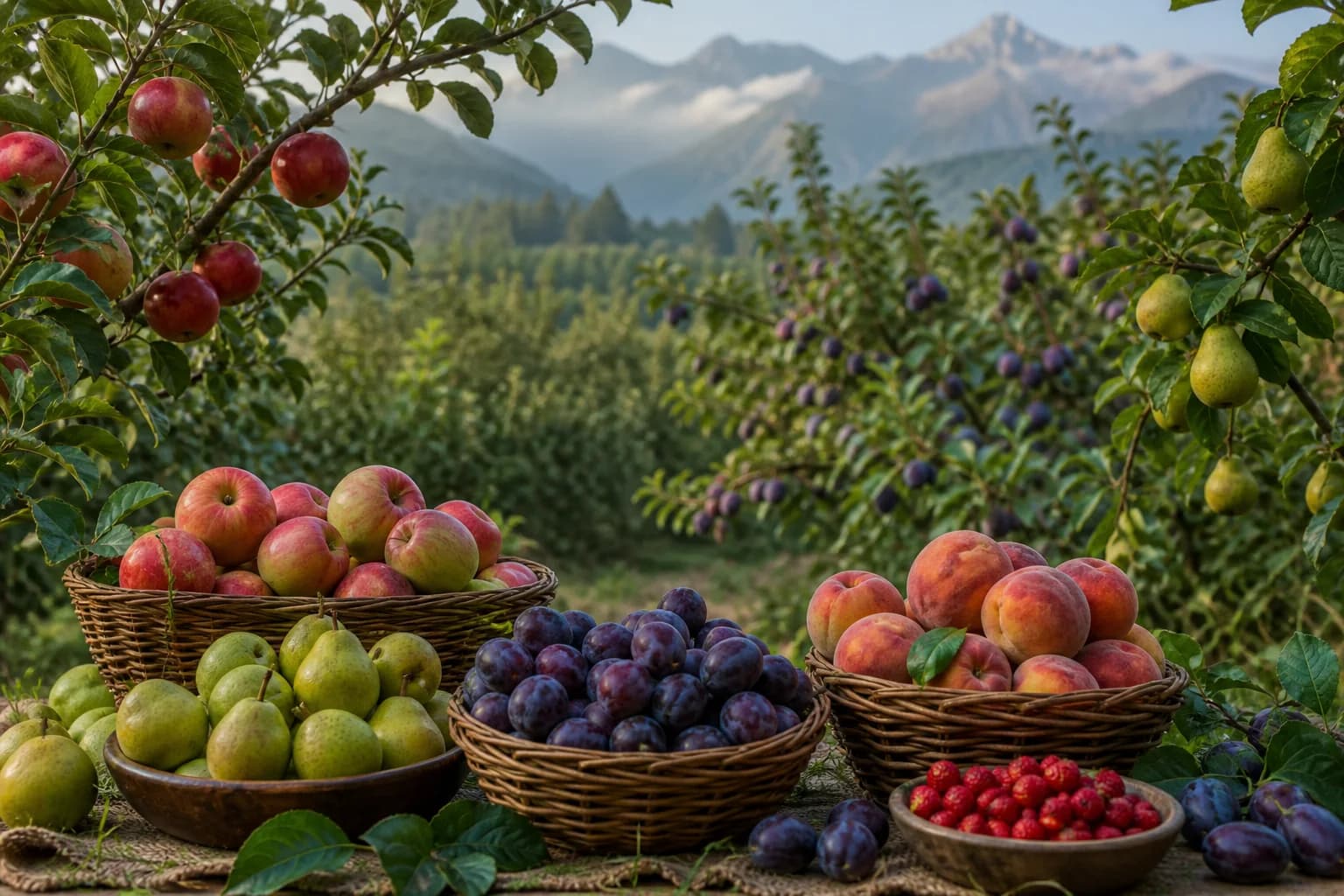
Apples, pears, plums, peaches and berries harvested from a mountain orchard

Fruit shrub growing guide

How to grow currants from seedRibes nigrum, Ribes rubrum

Currant seed is dormant and needs about three months of moist cold before it will germinate, so sow it in autumn or chill it in the refrigerator. Clean the seed from the pulp first, sow it shallowly and expect plants ready for the garden after about two years.

≈ 0-5 °C
Germination temp.
≈ 2 weeks
Germination
3-6 mm
Sowing depth

At a glance

Germination temperature
Cool: chill at about 0-5 °C (32-41 °F), then germinate in mild spring conditions.
Sowing depth
Shallow: 3-6 mm (1/8-1/4 in).
Germination time
About 2 weeks after full chilling; some seed waits a year.
Light
Covered seed; full sun or light shade for the plants.
Pre-treatment
Clean the seed, then 2-4 months of moist cold stratification.
Transplant or direct sow
Sow in pots or a nursery bed; plant out after about two years.

Seed preparation

Seed preparation

Clean the seed out of the berries; do not sow whole or rotting fruit. In a jostaberry trial (a blackcurrant x gooseberry hybrid), seed from decomposing berries germinated at 16% or less, against about 42% for cleaned and chilled seed. Mash ripe berries in water, let the sound seed sink, pour off the pulp and floating seed, then rinse.

Scarification

Not needed for garden currants. Acid treatments helped only a few wild North American species.

Stratification

Essential. Most Ribes need at least one long period of moist cold: the USDA seed manual gives about 60-120 days near 0 °C (32 °F) depending on species, and jostaberry seed did best after 12 weeks at 5 °C (41 °F). Mix the seed with damp sand or peat in a bag and keep it in the refrigerator for about three months. Seed that stays dormant after one chilling can be given a second cold period.

Soaking

Not needed. Moisture during stratification is enough.

Germination conditions

Germination temperature

Germination follows the cold, as it does in nature in the spring after the berries fall. After stratification sow in cool to mild conditions; lower chilling temperatures gave better germination in Ribes studies, and some currants germinated with alternating 25 °C (77 °F) days and 5-10 °C (41-50 °F) nights.

Sowing depth

Cover with 3-6 mm (1/8-1/4 in) of fine soil or sand.

Growing medium

Free-draining seed compost or a bed of fine, weed-free soil mixed with sand. Damping-off can kill seedlings, so use clean compost and avoid overwatering.

Moisture

Keep evenly moist. Mulch autumn-sown outdoor beds 5-8 cm (2-3 in) deep over winter and remove the mulch as germination starts in spring.

Light

No light is needed under the thin cover. Move seedlings into good light as soon as they appear.

Germination time

Well-chilled seed germinates within a few weeks (median 12.3 days for jostaberry after 12 weeks of chilling); greenhouse tests of Ribes run 30-40 days. Some seed stays dormant until the next spring, so keep the tray.

Transplanting and first growth

  1. Pricking out

    Move seedlings into individual pots or a nursery row when they have two or three true leaves. Keep them in light shade and water regularly during their first summer.

  2. Growing on

    Grow seedlings on for about two years before planting out, the normal age for Ribes nursery stock.

  3. Planting out

    Plant while dormant, from late autumn to early spring, in full sun or light shade on well-drained but moisture-retentive soil enriched with compost. Set blackcurrants about 5 cm (2 in) deeper than they grew in the pot and space bushes 1.5-1.8 m (5-6 ft) apart.

Common problems

ProblemNo seedlings
Cause
Seed sown without chilling, or left in the berry.
What to do
Clean the seed, give about three months of moist cold, and keep the tray for a second spring.
ProblemSwollen round buds that do not open
Cause
Big bud mite on blackcurrant, which reduces vigour and crop.
What to do
Start from healthy young plants and choose modern varieties, which are often resistant to big bud mite and mildew.
ProblemTwisted, distorted shoot tips
Cause
Blackcurrant gall midge or aphids.
What to do
Cut off affected tips and keep plants growing strongly; check new growth in spring.
ProblemSpotted or white-coated leaves
Cause
Leaf spot or powdery mildew, worse in crowded, stressed bushes.
What to do
Prune for air flow, water in drought, and clear fallen leaves.
ProblemBerries disappear
Cause
Birds.
What to do
Cover ripening bushes with taut netting or a fruit cage.

Practical growing tips

Climate

Currants are temperate shrubs that need a real winter. In India they belong in hill gardens; the hot plains do not suit them. Frost during flowering cuts the crop, so avoid frost pockets or cover bushes on frosty nights.

Seedlings vary

Plants grown from seed differ from their parent variety. To keep a good seedling or a named variety, take 20 cm (8 in) hardwood cuttings from healthy young plants between mid-autumn and winter; most currants root readily.

Pruning blackcurrants

Fruit comes mainly on wood from the last few years. From the fourth year, remove up to a third of the oldest, darkest stems at the base each winter.

Mulch and water

Mulch at least 5 cm (2 in) deep each winter, keeping it off the stems. Water young bushes in dry spells for their first two years; mulched bushes in the ground rarely need extra feed.

Keep away from five-needle pines

Many Ribes are alternate hosts of white pine blister rust, a serious disease of five-needle pines such as the Himalayan blue pine. Do not plant currants among these trees.

Currant seeds from Deodar

Chill currant seed for about three months, then sow it shallowly in spring.

Browse seeds

Frequently asked questions

Do currant seeds need cold stratification?

Yes. Most Ribes seed needs a long period of moist cold, roughly 2-4 months near 0-5 °C. Autumn sowing outdoors in a cold climate does this naturally.

Will a currant grown from seed taste like the parent?

Not exactly. Seedlings vary, so fruit size and flavour can differ. Named varieties are kept true by hardwood cuttings.

Can I grow blackcurrants in India?

Only where winters are cold, such as hill gardens; blackcurrant has been introduced in the West Himalaya. The hot plains are not suitable.

How long does currant seed keep?

Currant seed is long-lived when kept dry in a sealed container; seed of some Ribes species stored air-dry stayed largely viable for over ten years.