Free EMS courier delivery across India
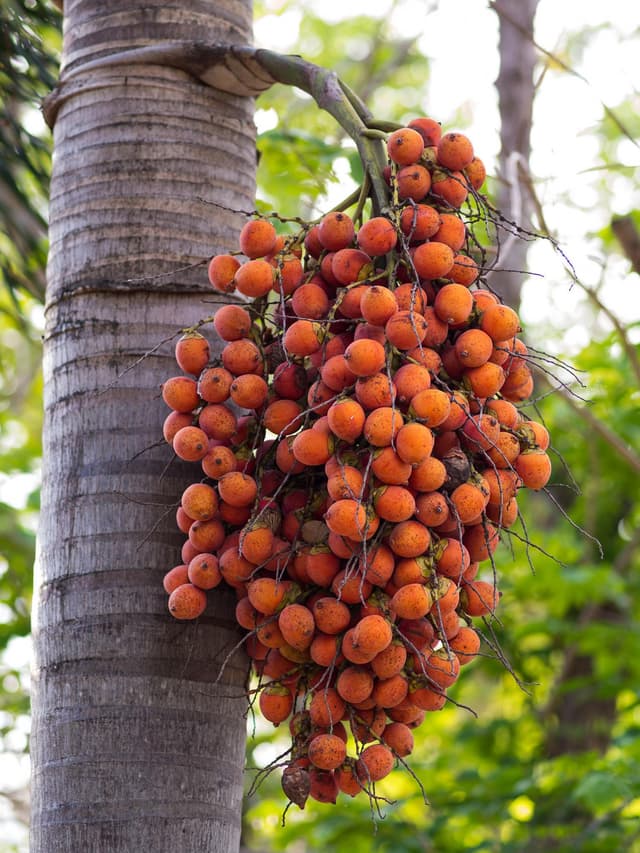
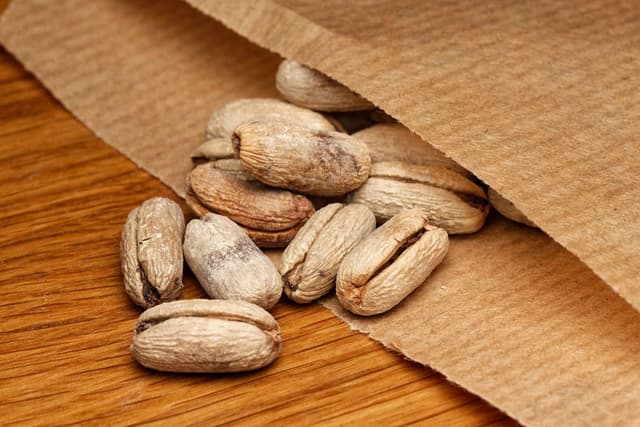
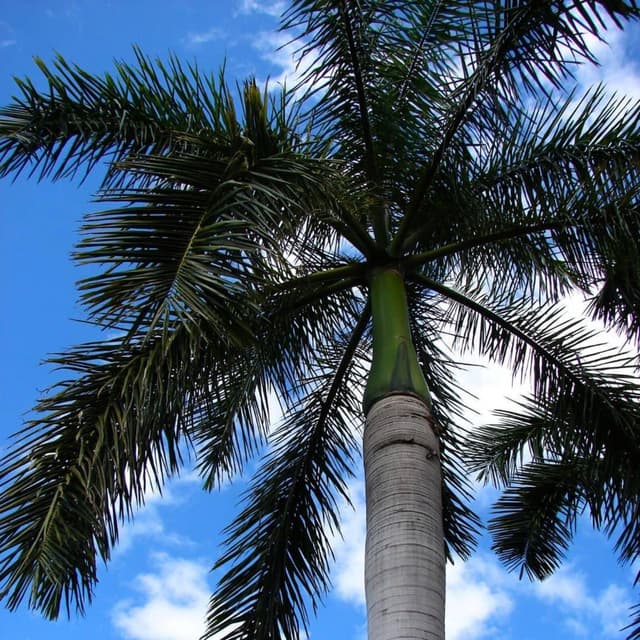
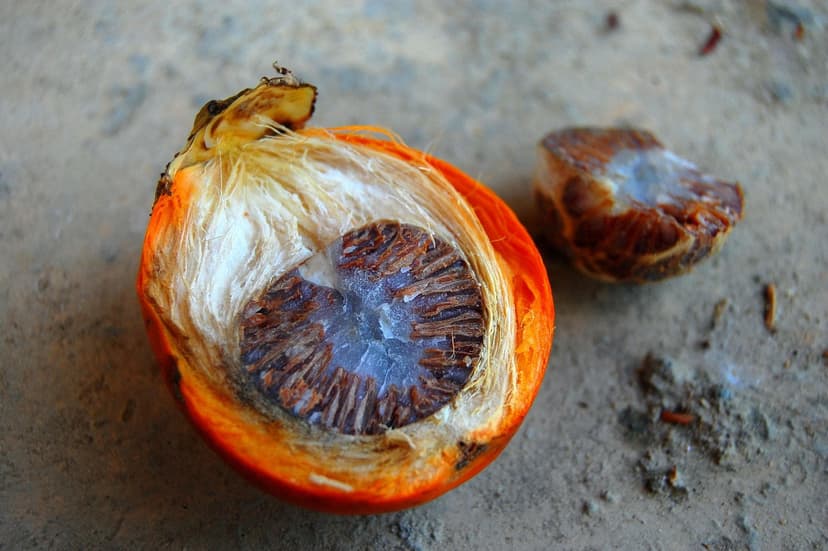
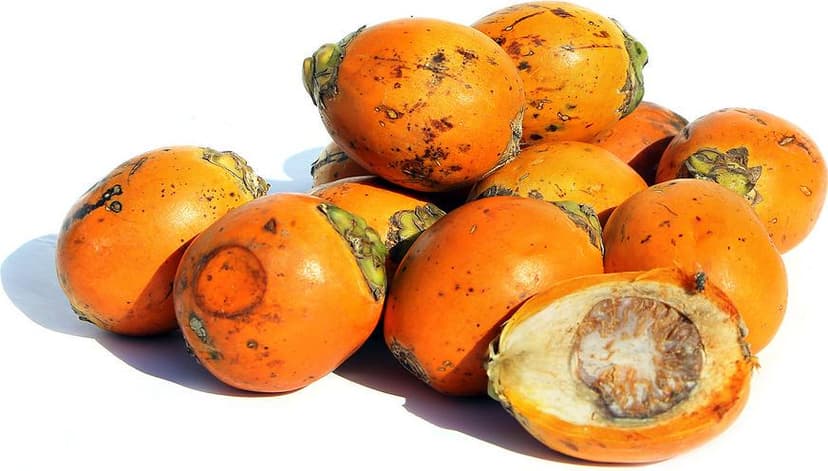
Betel nuts, Areca palm Seeds plant

Palm growing guide

How to grow palms from seedArecaceae

Most palms are easy to start from fresh, cleaned seed if you give them steady heat, even moisture and patience, because some species sprout in two weeks and others take a year or more. This guide covers the steps that apply across the palm family, with examples from date, fan, areca and parlour palms.

21-38 °C
Germination temp.
2 weeks
Germination

At a glance

Germination temperature
Warm: 21-38 °C (70-100 °F) works, 29-35 °C (85-95 °F) is probably best for tropical species.
Sowing depth
Cover the seed to its own depth; sow shallower if the tray stands in shade.
Germination time
From under 2 weeks (Mexican fan palm) to several months or more than a year (parlour palm).
Light
Not needed for germination; young seedlings prefer light shade.
Pre-treatment
Remove the fruit pulp and soak the seed in water for 1-7 days.
Transplant or direct sow
Sow in pots or deep containers; pot up seedlings at the first leaf.

Seed preparation

Seed preparation

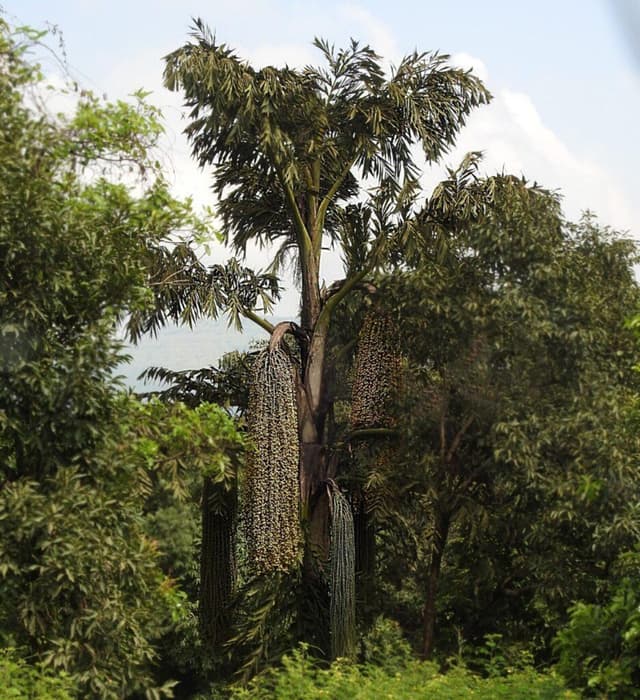
Sow fresh. UF/IFAS notes that seed of some palms stays viable for only 2-3 weeks, while others keep for over a year; the RHS says viability drops after 8-16 weeks depending on species. If seed arrives in fruit, soak it until the pulp gives easily to finger pressure, then rub the pulp off; leftover pulp invites mould. Wear gloves for fishtail (Caryota) and royal palm (Roystonea) fruit, whose pulp irritates skin.
Scarification

Usually not needed. For very hard seeds UF/IFAS describes abrading the seed until the endosperm just shows, and cracking the hard stone of Butia gave many more seedlings. Do not cut into the embryo.

Stratification

Not needed. Palms have no cold requirement, and many tropical palm seeds lose viability when stored below about 16 °C (60 °F).

Soaking

Recommended. Soak cleaned seed in water for 1-7 days, changing the water daily, and sow straight afterwards. Skip gibberellic acid: UF/IFAS advises against it because it can cause distorted, overstretched seedlings.

Betel nuts, Areca palm Seeds

Germination conditions

Germination temperature

UF/IFAS gives 21-38 °C (70-100 °F) as the working range and 29-35 °C (85-95 °F) as probably best; the RHS recommends bottom heat of 25-30 °C (78-86 °F) for tropical species. In most of India this is simply the pre-monsoon and monsoon season outdoors; in cooler countries use a heat mat or a sealed bag in a warm place.

Sowing depth

Cover the seed to its own depth with seed compost. Large seeds can go into a good potting mix. Never bury seedlings deeper later: UF/IFAS warns that planting even about 1.3 cm (1/2 in) too deep can set a palm back badly or kill it.

Growing medium

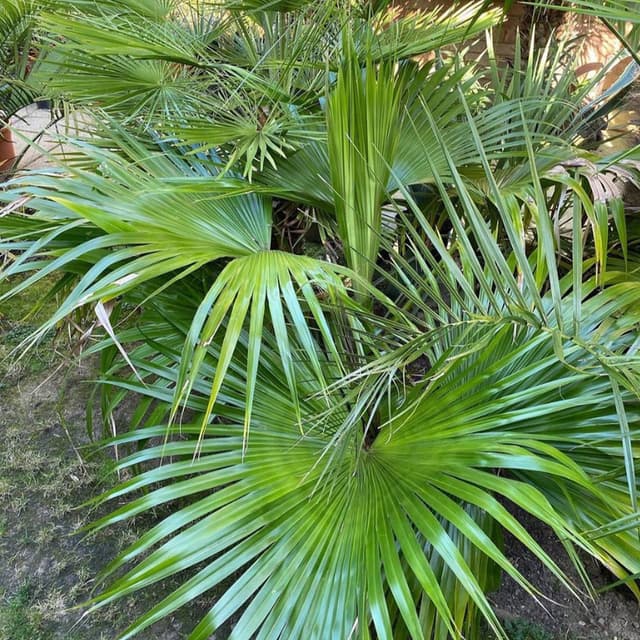
A free-draining mix such as peat (or coir) and perlite 1:1 by volume. Pots are better than shallow trays because of the deeper soil column; date, Chinese fan and Mexican fan palms push their first root and shoot deep down before a leaf appears, so give them deep pots or tubes.

Moisture

Keep evenly moist from the start. Water should never stand on the surface of the mix, which leads to rot.

Light

No light is needed to germinate. Under full sun the seed must be covered; in shade it can be sown shallowly.

Germination time

Highly variable. Mexican fan palm (Washingtonia robusta) may begin in under 2 weeks, areca palm (Dypsis lutescens) in 3-4 weeks, and parlour palm (Chamaedorea elegans) may start after several months and continue for over a year. The RHS says most species germinate in 2-3 months, some take up to two years and coconuts usually 4-8 months.

Transplanting and first growth

  1. Transplanting

    Pot up immediately after germination or after 1-2 leaves have formed, preferably in warm months. The RHS moves seedlings into 9 cm pots as soon as the first leaf appears. Handle the fleshy root carefully and set the seedling at exactly the depth it grew before.

  2. First growth stage

    Keep new transplants under light shade (30-50%) for several weeks until new growth shows. Do not feed for the first two months after germination, then start light feeding with a palm fertilizer. Keep the mix evenly moist; small transplanted seedlings are the stage most often lost to root rot.

Betel nuts, Areca palm Seeds

Common problems

ProblemNothing comes up after many weeks
Cause
Old seed, a cool pot or simply a slow species.
What to do
Keep the pot at 29-35 °C (85-95 °F) and evenly moist for several more months; over a quarter of palm species need more than 100 days. Sow fresh seed next time.
ProblemSeeds turn soft and mouldy
Cause
Pulp left on the seed, cold or waterlogged mix.
What to do
Clean seed fully, use an open peat-perlite mix and keep it at 25-35 °C (77-95 °F) without standing water.
ProblemSeedling sprouts outside the pot or root coils at the base
Cause
A remote-germinating palm (date, fan palms) in a shallow tray.
What to do
Sow these species in deep pots or tubes and pot up early.
ProblemLeaf tips scorch on indoor seedlings
Cause
Direct sun through glass or dry air near a heater.
What to do
Bright, indirect light and steady moisture.
ProblemOlder leaves turn yellow or half-dead on young palms
Cause
Often potassium deficiency.
What to do
Feed with a palm fertilizer and leave the discoloured leaves on until they are completely dead; cutting them off speeds decline.

Practical growing tips

Choose the palm for your climate

Tropical palms such as areca and coconut need warmth all year; indoors the RHS asks for a winter night minimum of 10-13 °C, or 16 °C for Chamaedorea, Howea and coconut. Date and Canary palms tolerate drier air and some cold.

Use a sealed bag for small seeds

The RHS suggests moist compost in a sealed polythene bag in a very warm place; check weekly and pot each seed as it sprouts.

Never cut the top

A palm grows from a single growing point. Remove only completely dead leaves, and never damage the trunk with tools or climbing spikes.

Water well, but drain well

In summer keep the compost from drying out, without letting the pot stand in water; in winter let the surface dry slightly between waterings.

Palm seeds from Deodar

Sow palm seed fresh and warm, and give each species the time it needs to sprout.

Frequently asked questions

How long do palm seeds take to germinate?

It depends on the species. Mexican fan palm can start in under two weeks and areca palm in 3-4 weeks, while parlour palm may take several months and keep sprouting for over a year. Most species sprout within 2-3 months.

Should I soak palm seeds before sowing?

Yes. Remove any fruit pulp, then soak the seed in water for 1-7 days, changing the water daily, and sow straight afterwards.

Can I grow a palm from seed indoors in a cold country?

Yes. Germinate the seed at 25-30 °C (78-86 °F) with bottom heat or in a sealed bag in a warm cupboard, then grow the seedling in bright, indirect light with a winter minimum of 10-13 °C.

Can I grow date palms from seed?

Yes; see our separate date palm guide. A further guide covers Canary Island date palm and silver date palm (Phoenix canariensis and P. sylvestris).