Free EMS courier delivery across India
Thalia Geniculata Seeds plant

Water plant growing guide

How to grow thalia (alligator flag, fire flag) from seedThalia geniculata

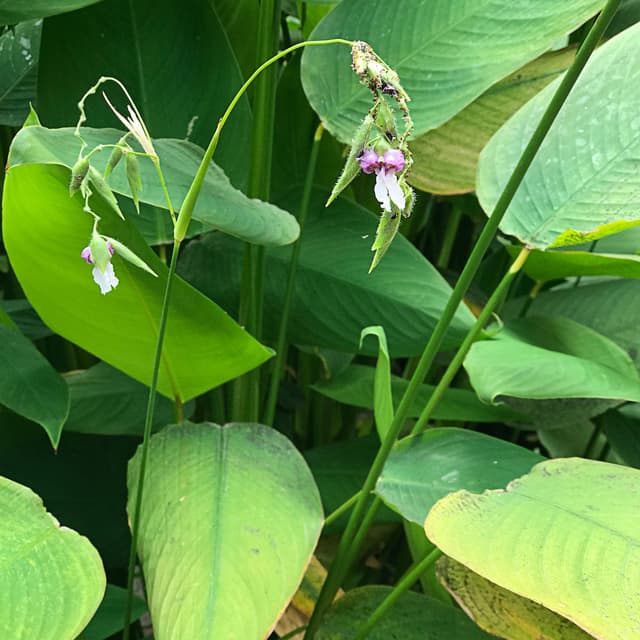
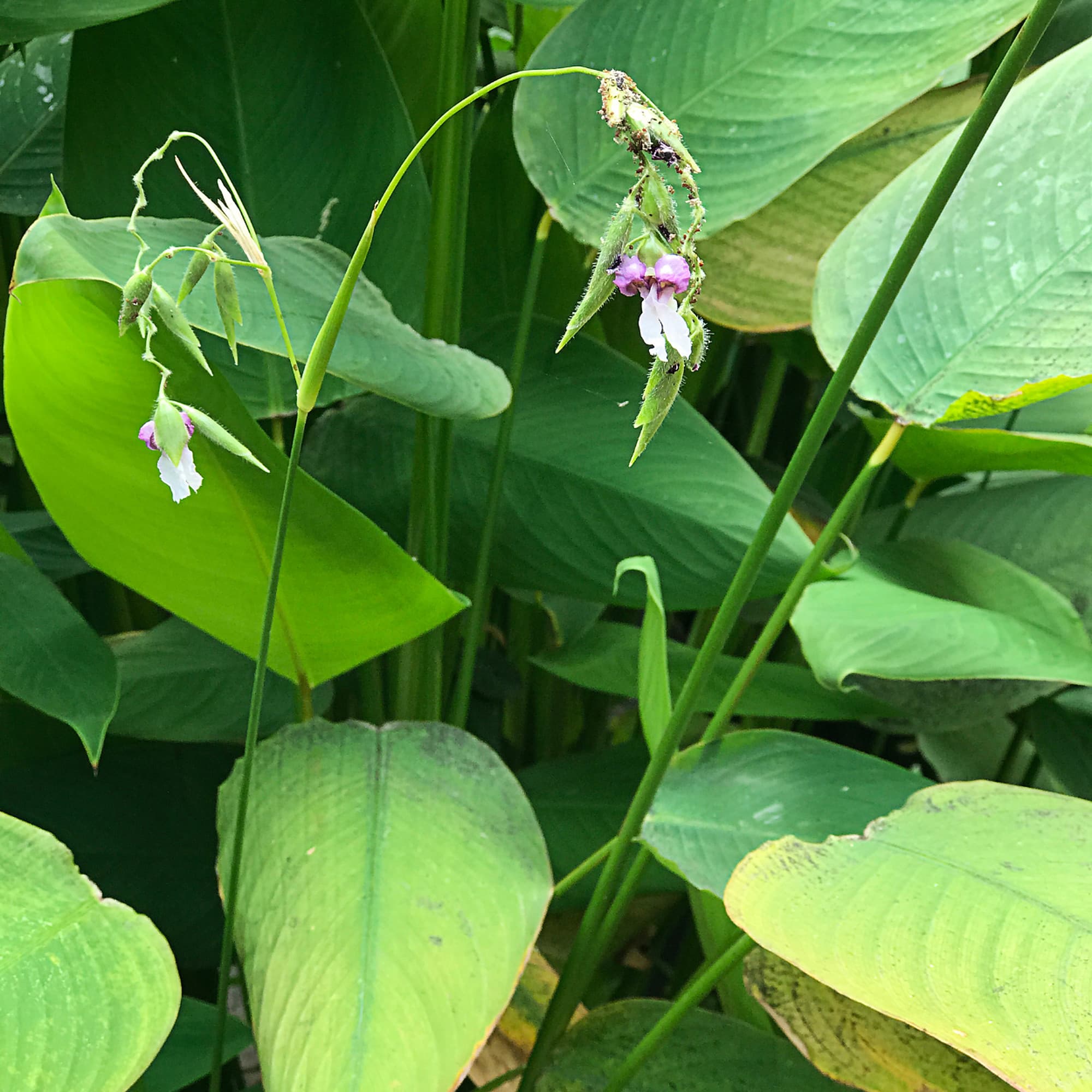
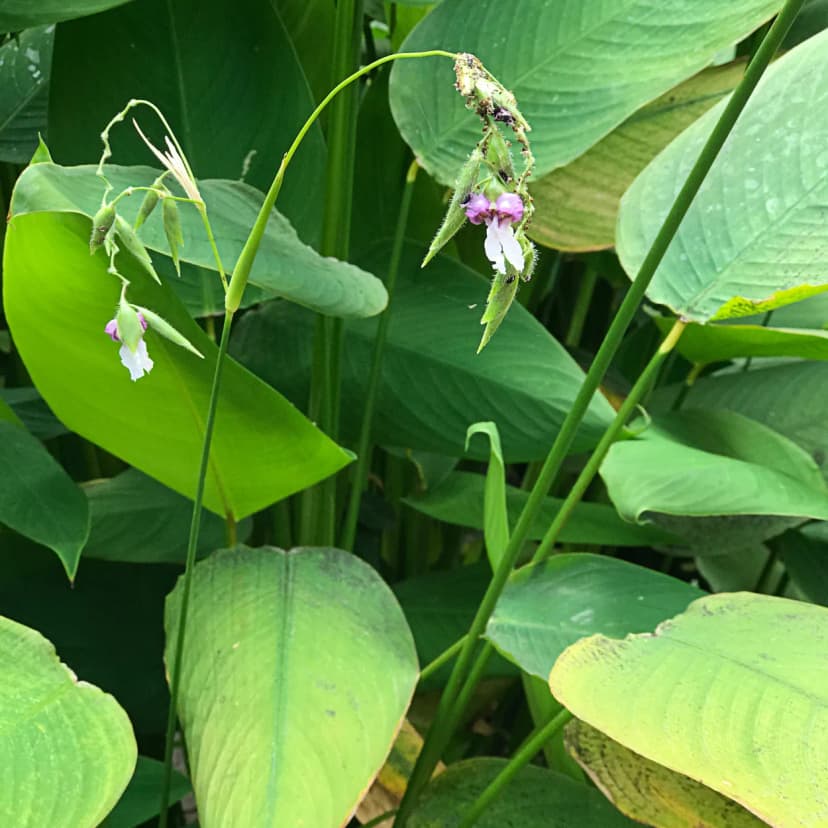
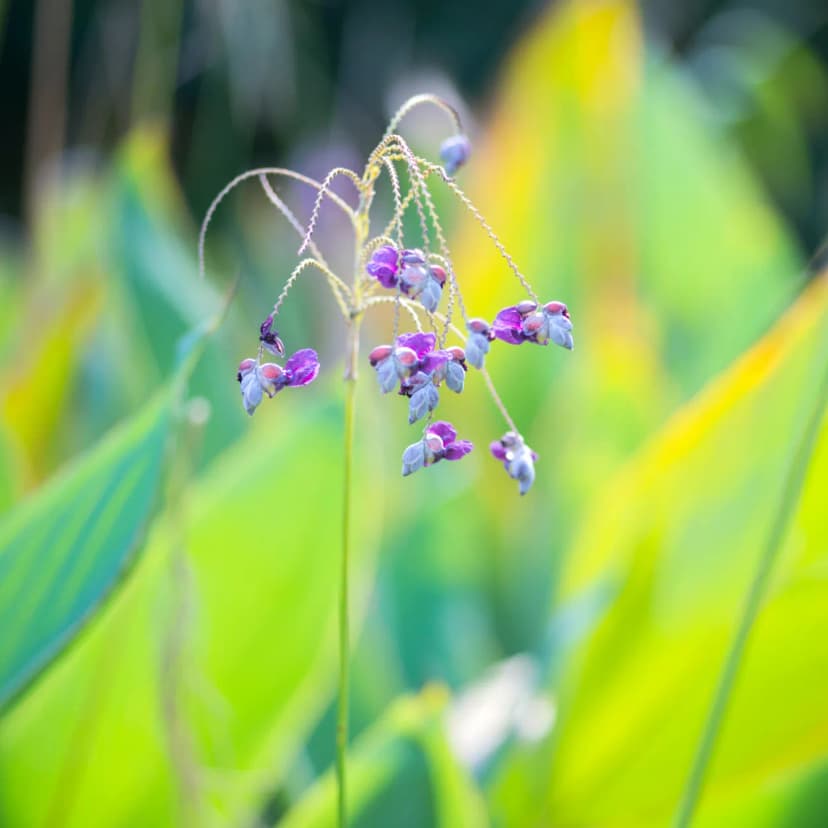
Thalia geniculata is a tall, banana-leaved marginal plant for ponds and wetlands, with arching stems of small purple flowers. It is raised from seed in wet mud and then grown in shallow water, but it spreads readily, so plant it where it cannot escape into natural waterways.

At a glance

Germination temperature
Warm. Thalia is a tropical and subtropical wetland plant that does not tolerate frost; sow in warm weather or indoors with heat.
Sowing depth
Shallow: press seed into wet mud and cover just enough to anchor it, so it does not float away.
Germination time
Irregular. No tested figure is published; allow several weeks to a few months.
Light
Bright light for the seed pot; full or part sun for growing plants.
Pre-treatment
None proven. Nicking the seed coat is an optional test for seed that stays dormant.
Transplant or direct sow
Raise in pots of wet soil, then set the pots in shallow water up to 25 cm (10 in) deep.

Seed preparation

Seed preparation

Each small fruit holds a single seed, 5-10 mm long, smooth and brown, grey or black. The fruit wall traps an air space that makes it float, which is how thalia spreads along waterways. Remove any remaining fruit wall or bract before sowing, so the seed sinks and contacts the mud.
Scarification

Not established for this species. No published trial shows that thalia seed needs scarifying. If seeds have not sprouted after several weeks in warm, wet conditions, lightly nick or sand a few of them on the side away from the scar to test whether the coat is holding them back.

Stratification

Not needed. The species is tropical and frost-tender and has no cold requirement.

Soaking

Optional. Seed is sown into saturated mud anyway, so a short soak in clean water before sowing simply starts it off wet.

Thalia Geniculata Seeds

Germination conditions

Germination temperature

Keep the seed pot warm and out of cold draughts. In India, sow in the warm season; in cooler countries sow indoors in spring on a warm windowsill or heat mat. Frost kills the plant, according to PROTA.

Sowing depth

Press seed into the surface of wet mud and cover with a thin layer of soil or fine sand, just enough to hold it in place.

Growing medium

A heavy, wet soil: garden loam or aquatic compost without added fertiliser or peat that floats. The Florida Native Plant Society lists sand, loam and organic soils as all suitable.

Moisture

Saturated at all times. Stand the pot in a tray of water with the water level at or just below the soil surface. Do not submerge the seed pot deeply until seedlings are established.

Light

Bright light. Wetland seedlings stretch and weaken in shade.

Germination time

No reliable figure has been published, and the Hawaii-Pacific Weed Risk Assessment notes that seed dormancy is unknown. Expect emergence to be uneven and keep the pot wet and warm for several months before discarding it.

Transplanting and first growth

  1. Transplanting

    When seedlings have a few leaves, move each into its own pot of heavy soil and top with gravel to stop the soil washing out. Gradually lower the pots deeper as plants grow: PROTA gives moist soil to water up to 25 cm (10 in) deep for cultivation.

  2. First growth stage

    Grow in full or part sun. Thalia forms a short rhizome and, once established, reaches 2-3.5 m (6.5-11.5 ft), with very large leaves, so give it a large container or a planting basket at the pond margin.

Thalia Geniculata Seeds

Common problems

ProblemSeeds float and wash to the edge of the pot
Cause
The buoyant fruit wall.
What to do
Remove fruit remnants, press seed into the mud and cover it thinly; keep the water level below the soil surface until seedlings root.
ProblemLeaves rolled up and eaten
Cause
Caterpillars of the Brazilian skipper (Calpodes ethlius), which fold leaves into shelters and feed at night; the Florida Native Plant Society notes they can defoliate plants badly.
What to do
Unroll and remove shelters early; established plants regrow.
ProblemPlant dies back in winter
Cause
Cool-season dormancy, or frost, which the species cannot tolerate.
What to do
In mild climates cut back dead stems and wait for spring regrowth from the rhizome; where it freezes, move potted plants to a frost-free place.
ProblemLeaves brown along the pond edge
Cause
Salt. Thalia does not tolerate salt water.
What to do
Grow only in fresh water.

Practical growing tips

Check local rules before planting outdoors

Thalia spreads by floating seed and rhizome pieces. A 2024 Weed Risk Assessment for Hawaii rated it high risk, Brisbane City Council lists it as an emerging environmental weed and pest vegetation, and it is a weed of rice fields in Africa and the Caribbean. Do not plant it beside streams, canals or paddy fields, and never dump plants or pond water into natural water.

Contain it

Grow thalia in a pot or planting basket in a garden pond rather than in open mud, and cut off old flower stems before fruits drop if you do not want seedlings.

A wildlife plant in its home range

In Florida, where it is native, dense stands give cover to water birds.

Divide established clumps

Once you have a plant, rhizome division is a quicker way to get more than seed.

Thalia seeds from Deodar

Sow alligator flag seed in warm, wet mud for a tall, tropical-looking marginal plant for a contained pond.

Frequently asked questions

How deep should thalia grow in a pond?

From wet soil at the margin to water up to about 25 cm (10 in) deep. Keep young plants shallower and lower them as they grow.

Do thalia seeds need scarification?

No published trial shows that they do. Sow untreated seed into warm, wet mud first; if some seeds stay dormant for many weeks, nicking the coat of a few is a reasonable test.

Is Thalia geniculata invasive?

It can be outside its native range. It is listed as an emerging environmental weed in south-east Queensland, rated high risk in Hawaii and is a rice-field weed in parts of Africa and the Caribbean. Keep it in a contained pond and check local rules.

Will thalia survive winter?

Not frost. In mild climates it dies back and regrows from the rhizome; in cold climates overwinter the pot in a frost-free place.