 Shop at deodar-seeds.com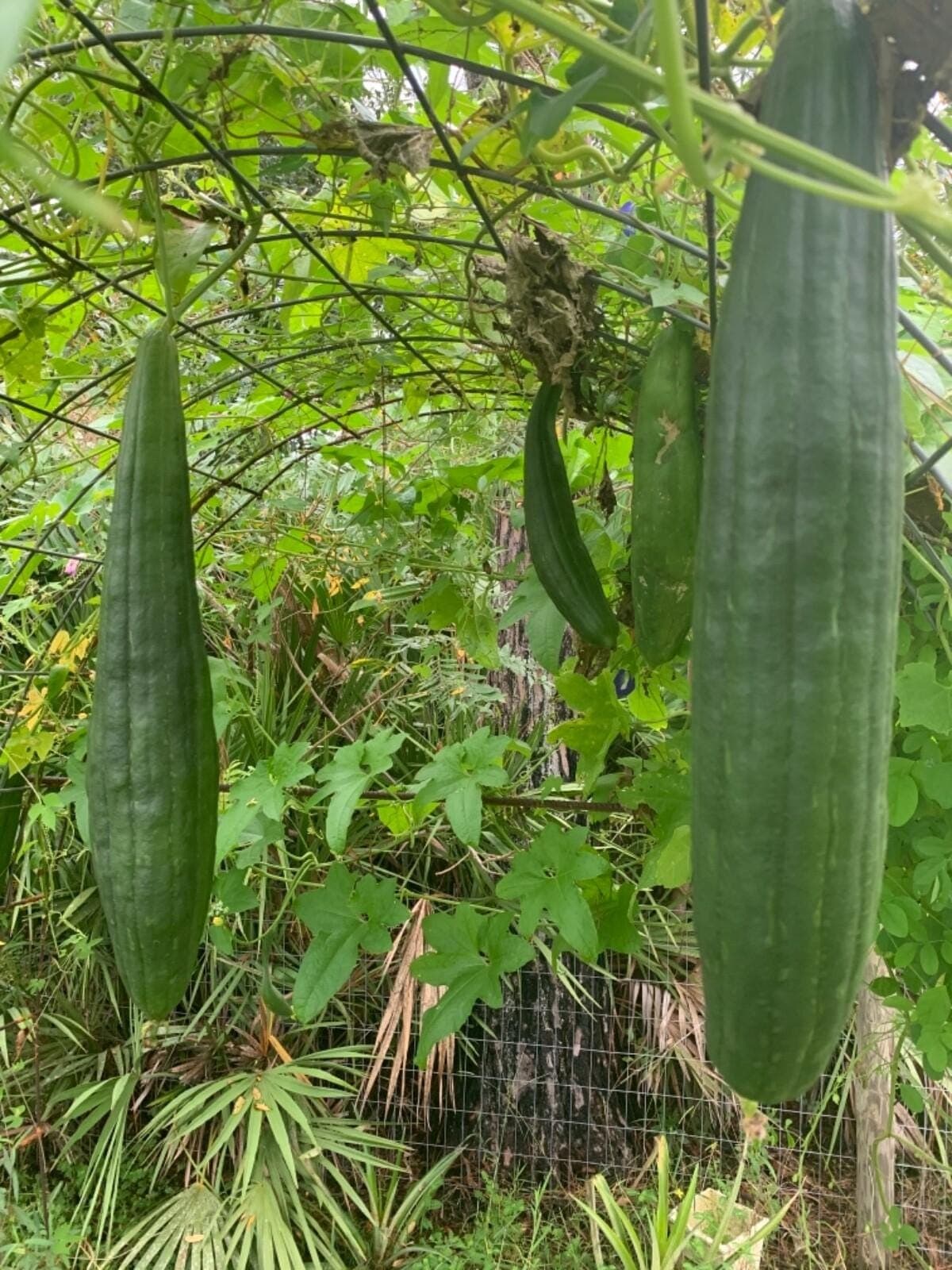


About this seed
Luffa needs a long warm season, so start it indoors
Luffa is a frost-sensitive tropical climber that needs a long growing season and warm temperatures. Plan on 60–90 days from sowing to the first young fruit for eating and 100–140 days to a mature fruit for dry sponge, depending on the variety (Ontario Ministry of Agriculture, OMAFRA). Where summers are short, sow indoors and transplant after the last frost.
Sowing
Soak the seed in warm water for 24 hours before sowing (NC State Extension). Sow two or three seeds per cell, thin to one plant per cell once the first true leaves appear, and grow the seedlings for four to six weeks at about 18–21 °C before moving them outdoors after the last frost. Do not sow in the open ground until the soil is 15 °C or warmer; OMAFRA puts the best soil temperature at planting at 25–35 °C. Sow seed about 2.5 cm deep (University of Georgia).
Spacing and support
Give each vine a trellis. Spacing in the references runs from 30–45 cm between plants in the row (NC State, which got the highest yields of sponges at 30–45 cm) to 40–100 cm with 1.5–2 m between rows (OMAFRA).
Harvest
For eating, pick the dark green fruit when young. For a sponge, leave the fruit on the vine until it is brown, light and rattles when shaken; NC State picks green fruit for sponges when it just starts to turn yellow and the skin begins to loosen. Do not leave dried gourds hanging in wet weather, because the sponge discolours.
What the packet is
The packet holds 10 seeds of Luffa aegyptiaca, sold under the name Sponge gourd Dark green. The name describes the fruit colour of this seed lot; no cultivar, fruit length or yield is promised.
Also known as: Luffa, Nenua, Loofah, Gilki, Tori and Dishcloth gourd.