 Shop at deodar-seeds.com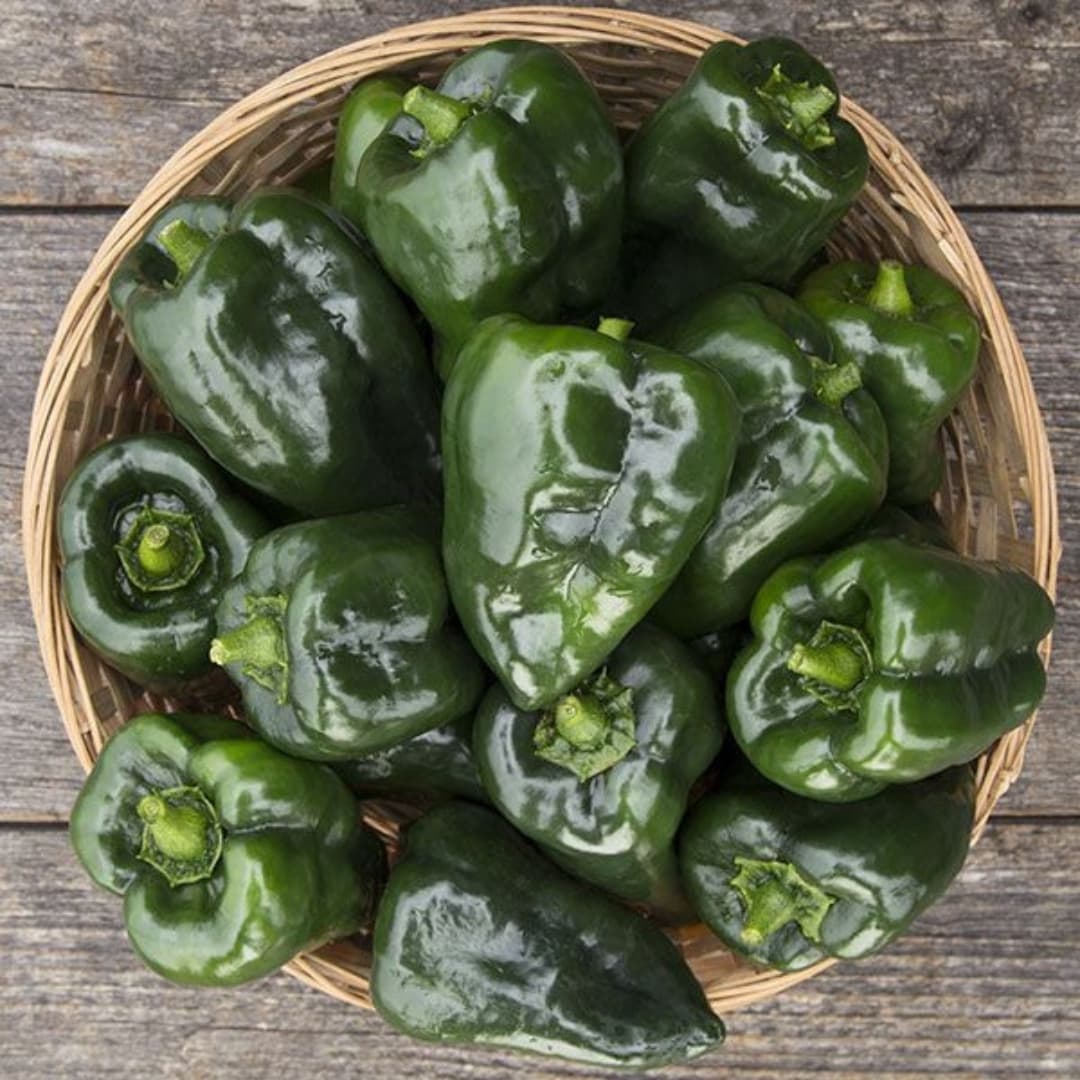
About this seed
Poblano is a mild, large Mexican pepper (Capsicum annuum, family Solanaceae) at 1,000–2,000 Scoville heat units. Used fresh it is called Poblano; dried, it is sold as Ancho Mulato. The packet holds 5 seeds.
Also known as: Poblano, Ancho, Chile poblano (Spanish, Mexico), Mulato, Mirchi (Hindi), Milagai (Tamil), Mulaku (Malayalam), Chile (Spanish), Piment (French), Peperoncino (Italian), Pimenta (Portuguese), Chili (German), Prik (Thai).
Fruit and plant
- Large, heart-shaped fruit 10–15 cm long with thick walls
- Deep green when fresh, ripening to deep red; dark brown and wrinkled once dried
- Bushy plants 80–100 cm tall
- Fresh: roasted, stuffed (chiles rellenos) or in sauces. Dried: mole, stews and spice blends
Sow into soil at 18–35 °C
Start the seed indoors 6–8 weeks before the last frost. Seedlings appear in about 8–9 days when the soil is 25–35 °C; 18–35 °C is the soil range that suits pepper germination, so keep the tray inside it until the first leaves show. Cover the seed with about 6 mm of seed-starting mix.
These figures are typical for the species (emergence was measured with seed about 13 mm deep); they are not a test of this packet.
Planting out
Move plants outside once the weather stays warm, 40–50 cm apart, in full sun and well-drained soil. Water regularly but do not overwater; soggy soil invites root rot.
Fresh or dried harvest
Fresh Poblanos are ready in about 75–85 days. For Ancho Mulato, leave fruit to ripen red and then dry it, which adds more time.
What you get: 5 seeds per packet. Pepper seed usually stays usable for about 2 years when kept cool, dark and dry, so you can sow part of the packet and keep the rest. That is a general figure for the species; we do not state a germination percentage for this packet.
FAQ
What does Ancho Mulato taste like?
Drying makes it sweeter and smokier, with hints of raisin, coffee and chocolate.
Is Poblano hot?
Only mildly: 1,000–2,000 Scoville heat units, which is why it is stuffed and eaten whole.