
About this seed
Local names
Pyracantha du Népal, Épine de feu népalaise, Épine de feu du Népal, Épine de feu de l'Himalaya, nepaleldtorn, Nepalese Firethorn, Asian Firethorn (EN), Chinese firethorn, Gibb's Firethorn, Himalayan firethorn, Nepal firethorn, sichuan firethorn, xi yuan chi huo ji, Agazzino crenulato, Chinesischer Feuerdorn.
Common names of Pyracantha crenulata
All 34 names, languages and regions
Local names
| France | |
|---|---|
| French | Pyracantha du Népal, Épine de feu népalaise, Épine de feu du Népal, Épine de feu de l'Himalaya |
| Sweden | |
| Swedish | nepaleldtorn |
| United Kingdom | |
| English | Nepalese Firethorn |
| Other places | |
| English | Chinese firethorn, Gibb's Firethorn, Himalayan firethorn, Nepal firethorn, sichuan firethorn |
| Italian | Agazzino crenulato |
| German | Chinesischer Feuerdorn |
| Afrikaans | Himalajase branddoring, rooivuurdoring, himalayavuurdoring, Nepalese vuurdoring |
| Spanish | Piracanto chino, Piracanto de Nepal, Piracanto de Sichuan |
| Slovak | hlohyňa vrúbkovaná |
| Polish | ognik himalajski |
| Chinese | xi yuan chi huo ji, 四川火刺木 (sìchuān huǒcì mù), 火棘 (huǒjí), 狀元紅 (zhuàngyuán hóng), 細圓齒火棘 (xì yuán chǐ huǒjí), 细圆齿火棘 (xì yuán chǐ huǒjí), 千解草 (qiānjiěcǎo) |
| Hebrew | פירקנתה משורית (Pirkanta mishoryit) |
| Japanese | インドトキワサンザシ (Indo tokiwa sanzashi), カザンデマリ (Kazan demari), ヒマラヤピラカンサ (Himaraya pirakansa) |
| Simplified Chinese | 细圆齿火棘 (xì yuán chǐ huǒjí), 火棘 (huǒjí), 红子 (hóngzi), 火把果 (huǒbǎguǒ), 薜若 (bìruò) |
| Asian Firethorn (EN), Nepalese firethorn, xi yuan chi huo ji | |
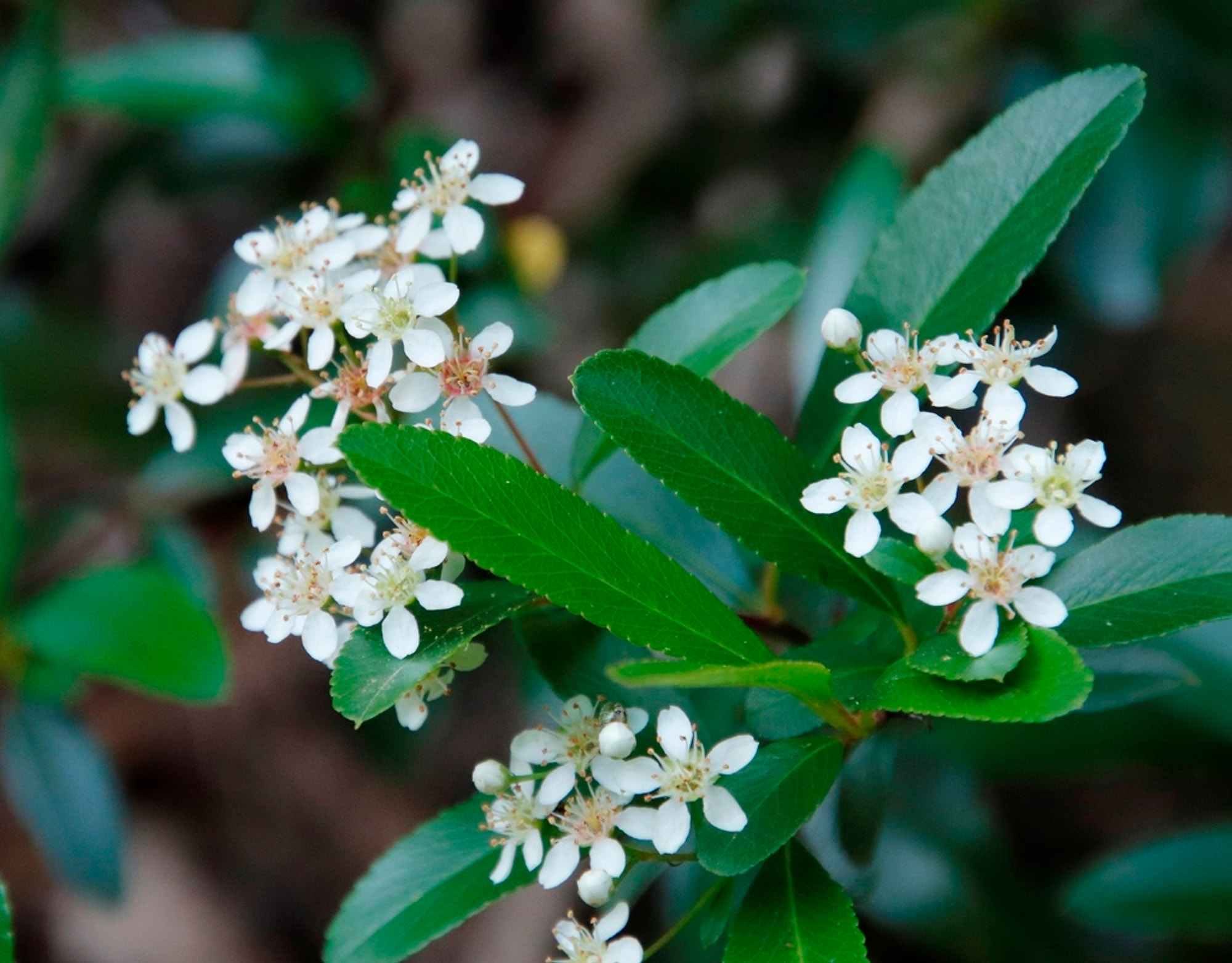
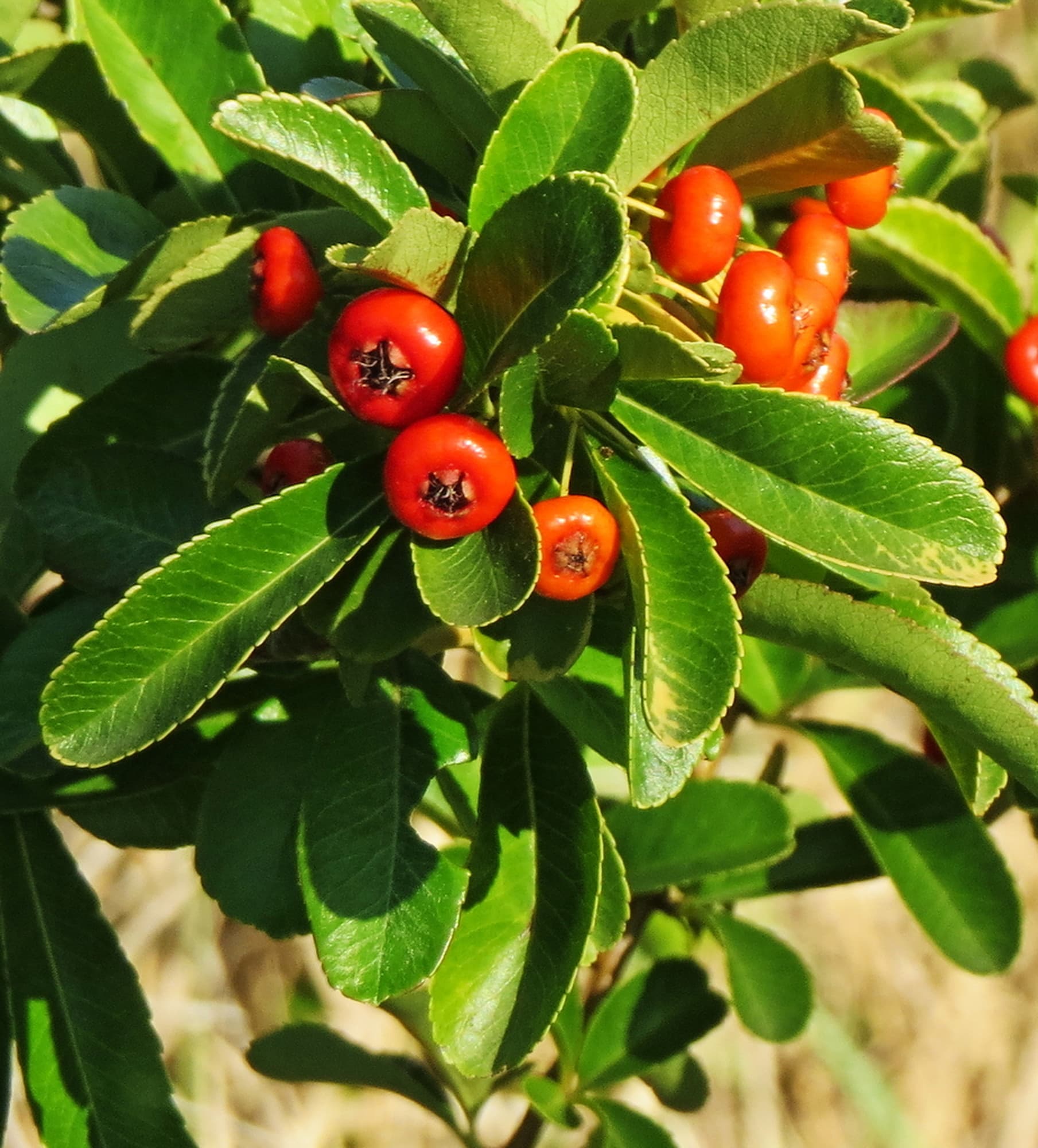
Grow Himalayan firethorn from seed for a dense evergreen shrub with white spring blossom and long-lasting clusters of orange-red berries. Packets contain seeds of Pyracantha crenulata, a species in the rose family Rosaceae. It is also known as Nepalese firethorn and, in parts of the Indian Himalaya, as ghingaru.
Pyracantha crenulata grows wild along the Himalaya from Pakistan and northern India through Nepal and Bhutan to south-west China and Myanmar, usually on open hillsides, scrub, and forest edges at middle elevations. It forms a spiny, much-branched shrub or small tree, commonly 2–4 m tall, with narrow glossy leaves that have finely toothed (crenulate) margins. Flat clusters of small white flowers appear in spring and are followed by round orange to scarlet fruits about 6–8 mm across that often persist into winter.
Sowing
Firethorn seed germinates best after a period of cold. Soak the seeds in water for 24 hours, then mix them with slightly moist sand or seed compost in a sealed bag and keep them in a refrigerator at about 2–5 °C for 8–12 weeks. Afterwards sow 0.5–1 cm deep in free-draining compost and keep the tray cool, bright, and evenly moist. Germination is often slow and uneven, so do not discard the tray too early. Alternatively, sow outdoors in a pot or nursery bed in autumn and let winter provide the cold period.
Growing
Grow young plants on in pots until they are well rooted, then plant out in full sun or light shade. Himalayan firethorn tolerates a wide range of well-drained soils and becomes fairly drought tolerant once established. It responds well to pruning and is often used for informal hedges, wildlife planting, and training against walls. Flowers and berries form on older wood, so trim lightly after flowering rather than cutting hard every year.
The stems carry sharp thorns, so wear gloves when handling and pruning. Seed-grown plants may vary naturally in vigour, habit, and berry colour.