About this seed
Shahtoot Mulberry Black Seeds (Morus nigra)
Description:
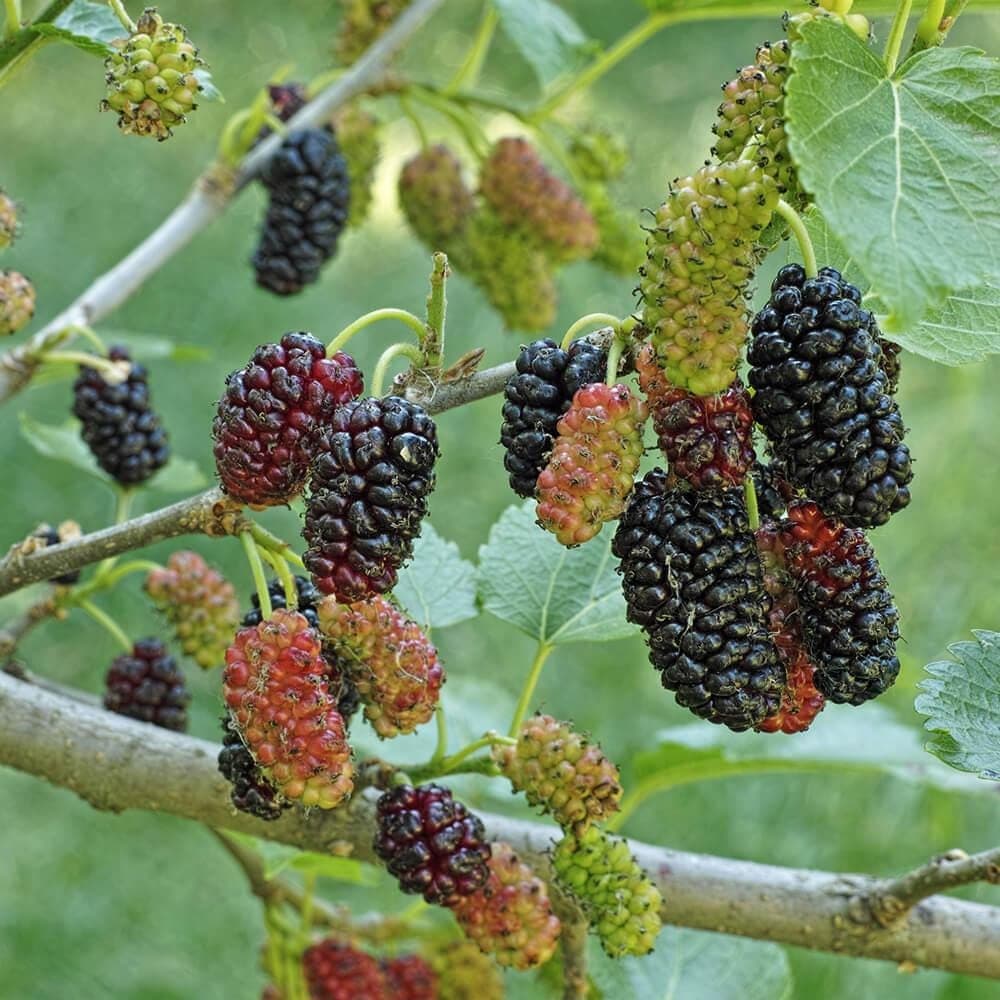
Shahtoot, also known as Black Mulberry (Morus nigra), is a deciduous tree grown for its dark purple-black fruits and ornamental form. Originating from Southwest Asia, this species thrives in a variety of climates and is highly adaptable, making it a favorite for home gardens and small orchards. Known for its sweet-tart flavor and vibrant color, Black Mulberry fruits are enjoyed fresh, dried, or used in culinary dishes and beverages.
Key Features:
• Tree Characteristics:
• Medium-sized tree, typically growing 10–15 meters in height, with a rounded canopy.
• Heart-shaped, serrated green leaves that provide dense shade.
• Resilient and tolerant of a variety of conditions, including drought and urban pollution.
• Fruit Features:
• Produces small, elongated fruits (2–4 cm) that ripen to a rich purple-black color.
• The fruits are described as juicy, sweet and slightly tangy.
• Fruits are harvested during late spring to early summer.
• Hardiness:
• Tolerates a wide range of climates, thriving in both temperate and subtropical regions.
• Highly resilient to challenging conditions such as drought and poor soils.
Cultivation Instructions:
• Climate Requirements:
• Thrives in warm temperate to subtropical climates, tolerating temperatures from -10°C to 40°C.
• Requires full sun to partial shade for optimal growth and fruit production.
• Soil Preference:
• Prefers well-drained loamy or sandy soils with a pH range of 5.5–7.5.
• Tolerates poor or moderately saline soils but performs best in fertile ground.
• Planting Instructions:
• Soak seeds in water for 24 hours before planting to improve germination.
• Sow seeds in a nutrient-rich, well-drained soil mix, covering lightly with soil.
• Keep the soil consistently moist but not waterlogged.
• Watering:
• Regular watering during the early growth stages is crucial.
• Once established, the tree is drought-tolerant and requires minimal watering.
• Pruning:
• Prune annually in late winter or early spring to shape the tree and promote new growth.
• Remove dead or overcrowded branches for better airflow and fruiting.
Uses and Benefits:
• Culinary:
• The fruits are enjoyed fresh or dried and used in jams, juices, syrups, and baked goods.
• Adds a sweet-tart flavor to desserts and beverages.
• Gardening:
• An excellent shade tree for home gardens or urban landscapes.
• Culinary Use:
• Mature fruits are used fresh, dried, or in culinary preparations.
• Garden Use:
• The tree may be grown in home gardens and small orchards.
Historical Note:
Shahtoot, or Black Mulberry, has been cultivated for centuries across Asia and the Mediterranean. It has a long history of cultivation in culinary and garden settings.
Shipping Information:
Deodar Seeds ensures that all seeds are carefully selected and packaged to maintain their freshness and viability. Seeds are shipped within India and internationally, with delivery typically within 1–2 weeks.
From Deodar Seeds Company.
Description:
Shahtoot, also known as Black Mulberry (Morus nigra), is a deciduous tree grown for its dark purple-black fruits and ornamental form. Originating from Southwest Asia, this species thrives in a variety of climates and is highly adaptable, making it a favorite for home gardens and small orchards. Known for its sweet-tart flavor and vibrant color, Black Mulberry fruits are enjoyed fresh, dried, or used in culinary dishes and beverages.
Key Features:
• Tree Characteristics:
• Medium-sized tree, typically growing 10–15 meters in height, with a rounded canopy.
• Heart-shaped, serrated green leaves that provide dense shade.
• Resilient and tolerant of a variety of conditions, including drought and urban pollution.
• Fruit Features:
• Produces small, elongated fruits (2–4 cm) that ripen to a rich purple-black color.
• The fruits are described as juicy, sweet and slightly tangy.
• Fruits are harvested during late spring to early summer.
• Hardiness:
• Tolerates a wide range of climates, thriving in both temperate and subtropical regions.
• Highly resilient to challenging conditions such as drought and poor soils.
Cultivation Instructions:
• Climate Requirements:
• Thrives in warm temperate to subtropical climates, tolerating temperatures from -10°C to 40°C.
• Requires full sun to partial shade for optimal growth and fruit production.
• Soil Preference:
• Prefers well-drained loamy or sandy soils with a pH range of 5.5–7.5.
• Tolerates poor or moderately saline soils but performs best in fertile ground.
• Planting Instructions:
• Soak seeds in water for 24 hours before planting to improve germination.
• Sow seeds in a nutrient-rich, well-drained soil mix, covering lightly with soil.
• Keep the soil consistently moist but not waterlogged.
• Watering:
• Regular watering during the early growth stages is crucial.
• Once established, the tree is drought-tolerant and requires minimal watering.
• Pruning:
• Prune annually in late winter or early spring to shape the tree and promote new growth.
• Remove dead or overcrowded branches for better airflow and fruiting.
Uses and Benefits:
• Culinary:
• The fruits are enjoyed fresh or dried and used in jams, juices, syrups, and baked goods.
• Adds a sweet-tart flavor to desserts and beverages.
• Gardening:
• An excellent shade tree for home gardens or urban landscapes.
• Culinary Use:
• Mature fruits are used fresh, dried, or in culinary preparations.
• Garden Use:
• The tree may be grown in home gardens and small orchards.
Historical Note:
Shahtoot, or Black Mulberry, has been cultivated for centuries across Asia and the Mediterranean. It has a long history of cultivation in culinary and garden settings.
Shipping Information:
Deodar Seeds ensures that all seeds are carefully selected and packaged to maintain their freshness and viability. Seeds are shipped within India and internationally, with delivery typically within 1–2 weeks.
From Deodar Seeds Company.