Seed preparation
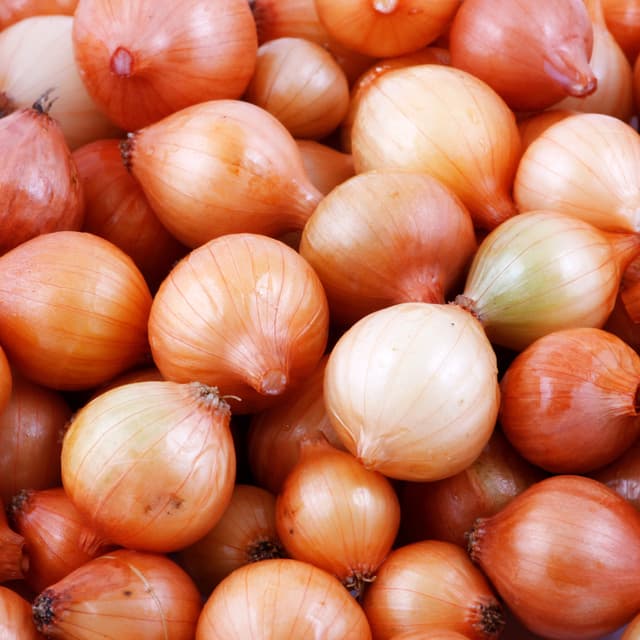
Onion seed loses viability quickly: germination drops noticeably after one to two years even in good storage. Sow fresh seed, keep any leftover in a cool, dry, airtight container and sow a little more thickly if seed is older.
Vegetable growing guide
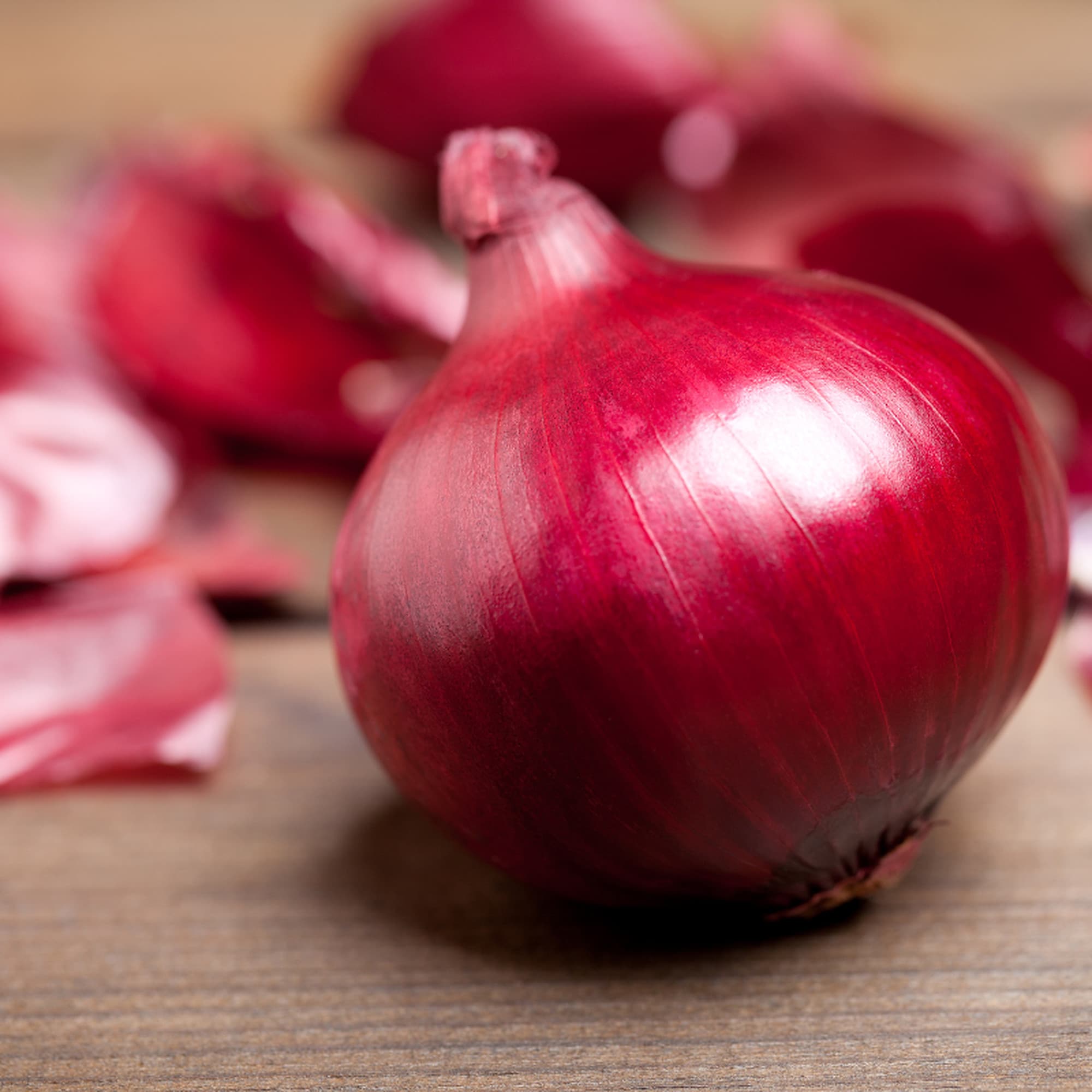
Bulb onions are raised in a nursery bed and transplanted after about 5-9 weeks. Choosing a short-day variety such as Pusa Red for the Indian plains and sowing fresh seed are the two decisions that matter most.
Onion seed loses viability quickly: germination drops noticeably after one to two years even in good storage. Sow fresh seed, keep any leftover in a cool, dry, airtight container and sow a little more thickly if seed is older.
Not needed. The small black seed takes up water readily.
Not needed. Onion seed germinates without a cold period.
Not needed. Indian nursery practice instead treats seed against damping off, for example with Trichoderma viride at about 4 g per kg of seed, before sowing.
Onion seed germinates from about 2°C (35°F) upwards but is very slow when cold. In tests it took about 13 days at 10°C (50°F), 7 days at 15°C (59°F), 5 days at 20°C (68°F) and 4 days at 25-30°C (77-86°F). Above about 35°C (95°F) germination falls sharply, which matters for May-June kharif nurseries in India; shade and mulch the bed in hot weather.
Sow thinly in lines 5-7 cm (2-3 in) apart, about 1-1.5 cm (0.4-0.6 in) deep, and cover with fine compost or sieved soil. Indian guides use up to 2-3 cm (0.8-1.2 in) in light soil; UK and US guides use 0.6-1.3 cm (0.25-0.5 in).
Raised nursery beds 10-15 cm (4-6 in) high and about 1-1.2 m (3.3-4 ft) wide, with a smooth, level, weed-free surface. Raised beds prevent waterlogging in heavy soil and during the rains.
Water lightly after sowing and cover the bed with a thin mulch of dry straw or grass to hold moisture; remove it as soon as seedlings appear. Avoid overwatering, which encourages damping off.
Light is not needed for germination; seedlings need full sun once up.
Usually 4-7 days in warm soil, up to two weeks in cool weather.
Transplant kharif seedlings at about 35-40 days (5-6 weeks) and late kharif and rabi seedlings at about 45-50 days (6-7 weeks). Some Indian guides allow up to 6-7 weeks for kharif and 8-9 weeks for rabi.
Plant 10 cm (4 in) apart in rows 15 cm (6 in) apart.
Leaf growth is best at about 13-24°C (55-75°F) and bulbs develop best at about 16-25°C (61-77°F). Keep the bed weed-free: young onions compete poorly with weeds.
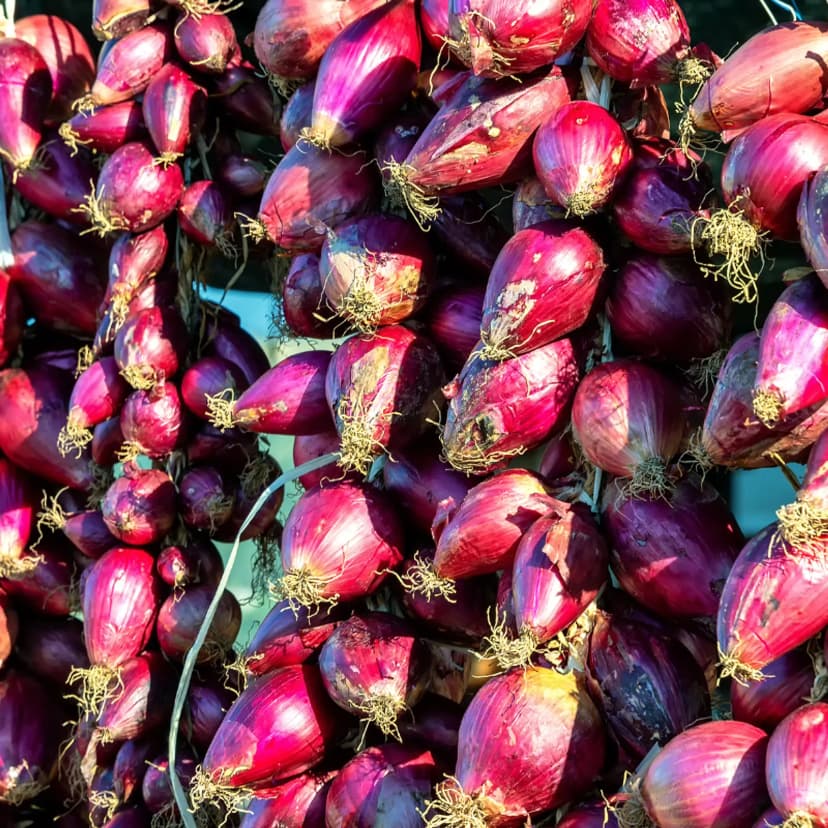
Kharif: sow in May-June and transplant in July-August in Maharashtra, Gujarat and the North. Rabi: sow in October (North) or November-December (Maharashtra, Gujarat) and transplant in December-January. In the South rabi sowing is in September-October.
Pusa Red was bred by IARI, New Delhi. It gives medium, flat-globe, bronze-red bulbs of about 70-90 g with mild pungency and good keeping quality, and suits the late kharif and rabi seasons.
About 5-10 kg of seed raises seedlings for one hectare; a home bed of one square metre needs only a few grams sown thinly.
Harvest rabi onions about a week after half the tops have fallen. Cure bulbs in a dry, airy, shaded place for about two weeks before storage.
Grow the Indian short-day red onion Pusa Red from fresh Deodar Seeds for firm, well-keeping bulbs.
You can, but expect lower and slower germination because onion seed is short-lived. Fresh seed from the latest harvest gives the most reliable stand; sow older seed more thickly.
Pusa Red is a short-day type for latitudes with about 10-12 hours of daylight. In regions with long summer days it tends to bulb early and stay small, so use a long-day or intermediate variety there.
Usually 5-6 weeks for kharif and 6-7 weeks for rabi; some guides allow up to 8-9 weeks in the cool season. Very old seedlings are more likely to bolt.
Yes, but it needs far more seed (about 20-25 kg per hectare in India) and careful weed control, so most growers use a nursery.