Free EMS courier delivery across India
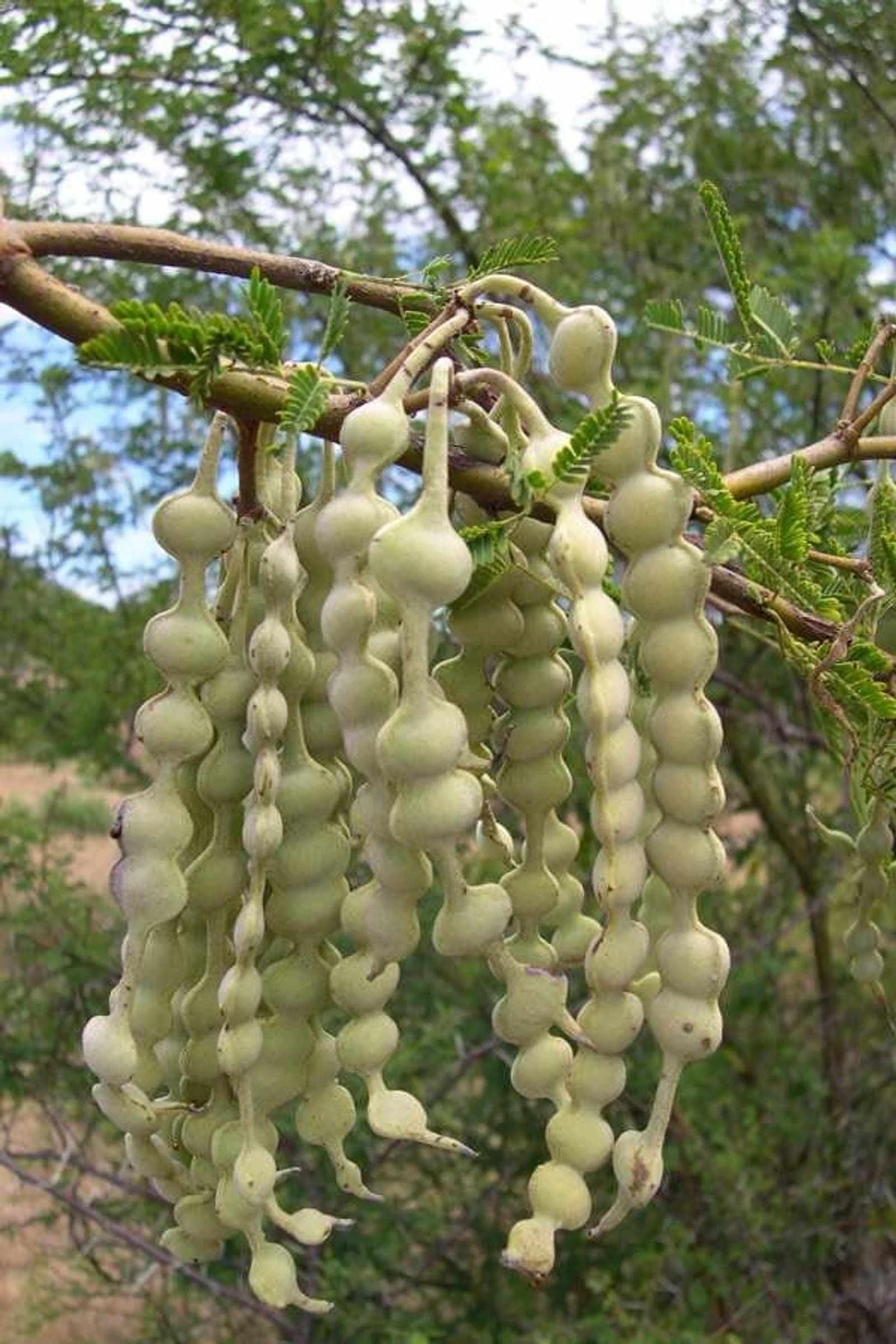
Acacia Arabica Seeds plant

Tree growing guide

How to grow Acacia from seed

Check the botanical name, then choose seed-coat treatment and nursery conditions for your species and seed lot. Most acacias, including babul (Vachellia nilotica), have hard seed that sprouts well once hot water or nicking lets water in.

≈ 25 °C
Germination temp.
1-2 weeks
Germination
1 cm
Sowing depth

At a glance

Germination temperature
Warm: about 25 °C (77 °F) is used in laboratory tests on dry-zone acacias.
Sowing depth
About twice the seed's thickness, roughly 1 cm (0.4 in) for babul-sized seed.
Germination time
Treated seed usually 1-2 weeks; untreated hard seed may wait months.
Light
Not needed to germinate; seedlings need full sun.
Pre-treatment
Hot water or nicking for hard seed; fresh soft babul seed may need none.
Transplant or direct sow
Deep pots or tubes, or direct sowing of treated seed.

Seed preparation

Which acacia are you growing?

Acacia is also used as a common name for trees now placed in Vachellia and Senegalia. The Deodar product sold as Acacia Arabica is listed as Vachellia nilotica, the babul or prickly acacia of India and Africa. Australian Acacia guidance should not be treated as a complete species-specific recipe for that product, so this guide gives general acacia methods and notes where babul differs.
Seed preparation

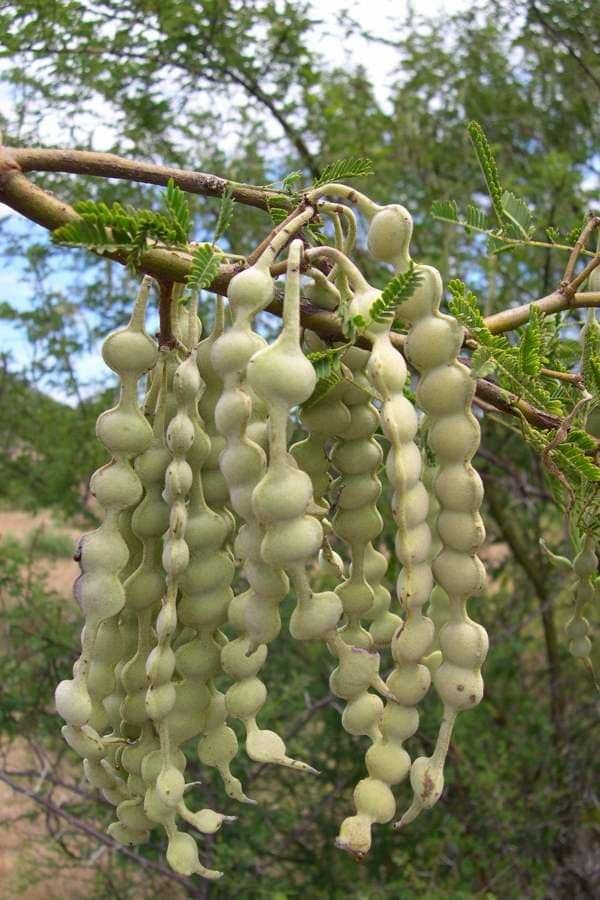
Start with a small sample, as the pilot advice says: hard-seededness varies between species and even between seed lots. Babul has about 5,000-16,000 seeds per kg. Drop the seed into water first; floaters and seeds with round exit holes from seed beetles are usually empty and can be discarded.

Scarification

Hand nicking is the most reliable method for all acacias. File or clip a small spot on the seed coat away from the scar where the seed was attached, or rub seeds between sheets of fine sandpaper until the dark coat thins. Avoid damaging the embryo. Concentrated sulphuric acid works on very hard babul lots (FAO: 60-120 minutes) but is dangerous and only for professional nurseries.

Stratification

Not needed. Acacia dormancy comes from the waterproof seed coat, not from a need for cold.

Soaking

For batches, pour just-boiled water (4-10 times the seed volume) over the seed and leave it to cool and soak overnight, 12-24 hours. Sow seeds that have swelled to about 1.5-2 times their size and repeat the treatment, or nick, those still hard. Do not keep acacia seed boiling: FAO notes more than 30 seconds in boiling water damages many species, and a few inland and tropical species need no treatment at all. Fresh, soft-coated babul seed often germinates without treatment; seed that has been stored needs it.

Acacia Arabica Seeds

Germination conditions

Germination temperature

Warm conditions. Laboratory tests on five dry-zone acacias used about 25 °C (77 °F). Babul seedlings are frost-sensitive, so in temperate climates sow indoors in late spring; in India sow in the warm season so seedlings are well grown before planting out in the rains.

Sowing depth

Cover with mix to about twice the seed's diameter, roughly 1 cm (0.4 in) for babul. Sow one swollen seed per tube or space seeds well apart for easy transplanting.

Growing medium

Use a clean, draining propagation mix, such as mostly washed sand with some peat or coir, or a commercial seed-raising mix. Label the species and date.

Moisture

Keep the mix evenly moist and freely draining, never saturated: wet mixes reduce oxygen around the seed and encourage damping off.

Light

Not needed for germination; tests germinated acacia seed in the dark. Move seedlings into bright light, then full sun, as soon as they emerge.

Germination time

Treated Acacia seed usually germinates in 1-2 weeks. Seeds that stay hard may lie dormant for months, so check and re-treat them rather than waiting.

Transplanting and first growth

  1. Pricking out

    Move seedlings from trays when the second pair of leaves appears, or when a pre-germinated root is about 1 cm long. Lift them with a narrow spatula and handle by the leaves; acacias form a long taproot quickly, so use deep pots or tubes.

  2. Hardening and planting out

    Gradually expose young plants to full sun. Babul can be planted out from nursery pots or established by sowing treated seed directly where it is to grow.

  3. First growth stage

    Young babul seedlings are shade-intolerant and compete poorly, so keep the area around them weeded and protect them from frost. Established trees tolerate drought, salinity and seasonal flooding.

Acacia Arabica Seeds

Common problems

ProblemSeeds do not swell or sprout
Cause
Hard, waterproof coat.
What to do
Re-treat with hot water or nick the coat; check a few seeds for swelling before sowing the whole batch.
ProblemSeeds turn soft and rot after treatment
Cause
Too much heat or a soft-coated lot that needed no treatment.
What to do
Pour hot water over the seed instead of boiling it, and test fresh babul seed untreated first.
ProblemHoles in seeds, many floaters
Cause
Seed beetles inside pods.
What to do
Sort seed in water, discard damaged seed and store clean seed cool, dry and insect-free.
ProblemSeedlings collapse at soil level
Cause
Damping off in an over-wet, crowded mix.
What to do
Use clean mix, water with a fine spray only when needed and space seedlings out.
ProblemThin, weak seedlings
Cause
Shade or weed competition.
What to do
Grow in full sun and weed regularly.

Practical growing tips

Treating every Acacia alike

The genus is diverse. A single heat, depth or watering recipe is not reliable for every species, so record the treatment used for each lot and repeat what works.

Treat only what you sow

Seed dried after treatment can usually be stored for a year, but sowing swollen seed straight away is simplest and safest.

Choose the site

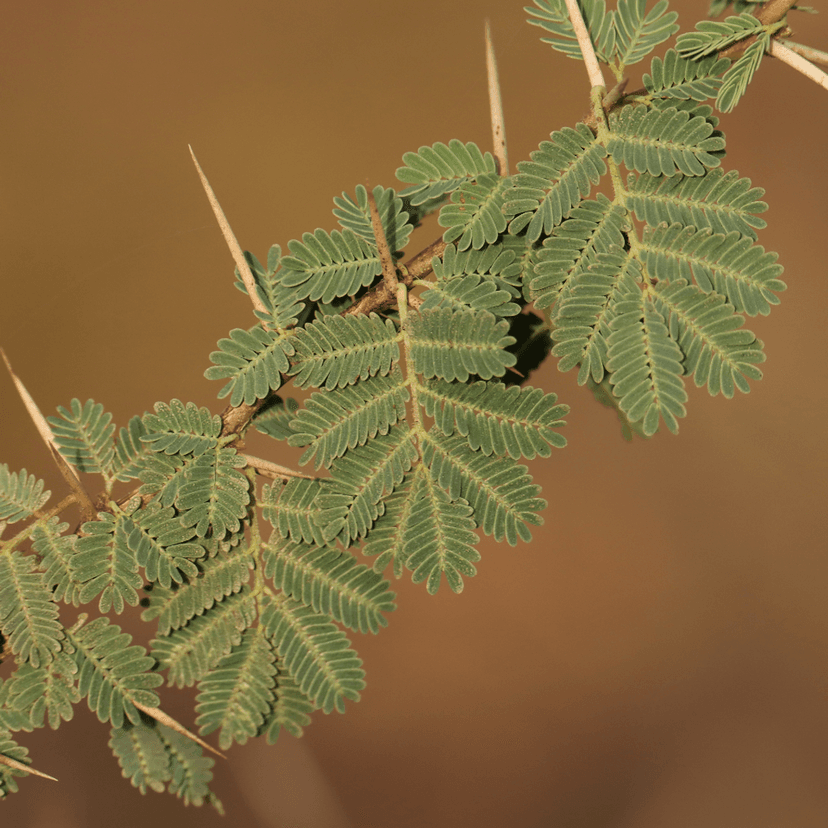
Babul tolerates pH 5.0-9.0, heavy clay, drought and salinity, which makes it useful on poor land. Mature trees carry paired straight spines 5-7.5 cm long, so plan for them near paths and boundaries.

Invasive risk

Babul is a declared Weed of National Significance in Australia and spreads in several other countries. Check local rules before planting outside its native range, and do not plant it where it may escape into grazing land.

Acacia seeds from Deodar

Treat hard acacia seed with hot water or nicking, then sow it warm in deep pots for strong seedlings.

Frequently asked questions

Do all Acacia seeds need boiling water?

No. Many hard-coated species respond to scarification or hot-water treatment, but some need no treatment and may be damaged by excessive heat. Pour hot water over the seed and let it soak rather than boiling it, and check the exact species.

How quickly will Acacia seed germinate?

Timing depends on species, seed age, pretreatment and conditions. Well-treated seed often sprouts in 1-2 weeks in warmth; seed that stays hard can wait months. Record the treatment and continue only while the medium remains clean and the seed is sound.

Is Acacia Arabica the same as babul?

Yes. Acacia arabica and Acacia nilotica are older names for babul, now called Vachellia nilotica.