
Seed preparation
Pick out seeds with small round holes; these have been eaten by bruchid beetle larvae and will not grow. Air-dried siris seed keeps well for 1-2 years at room temperature or in the fridge.
Tree growing guide
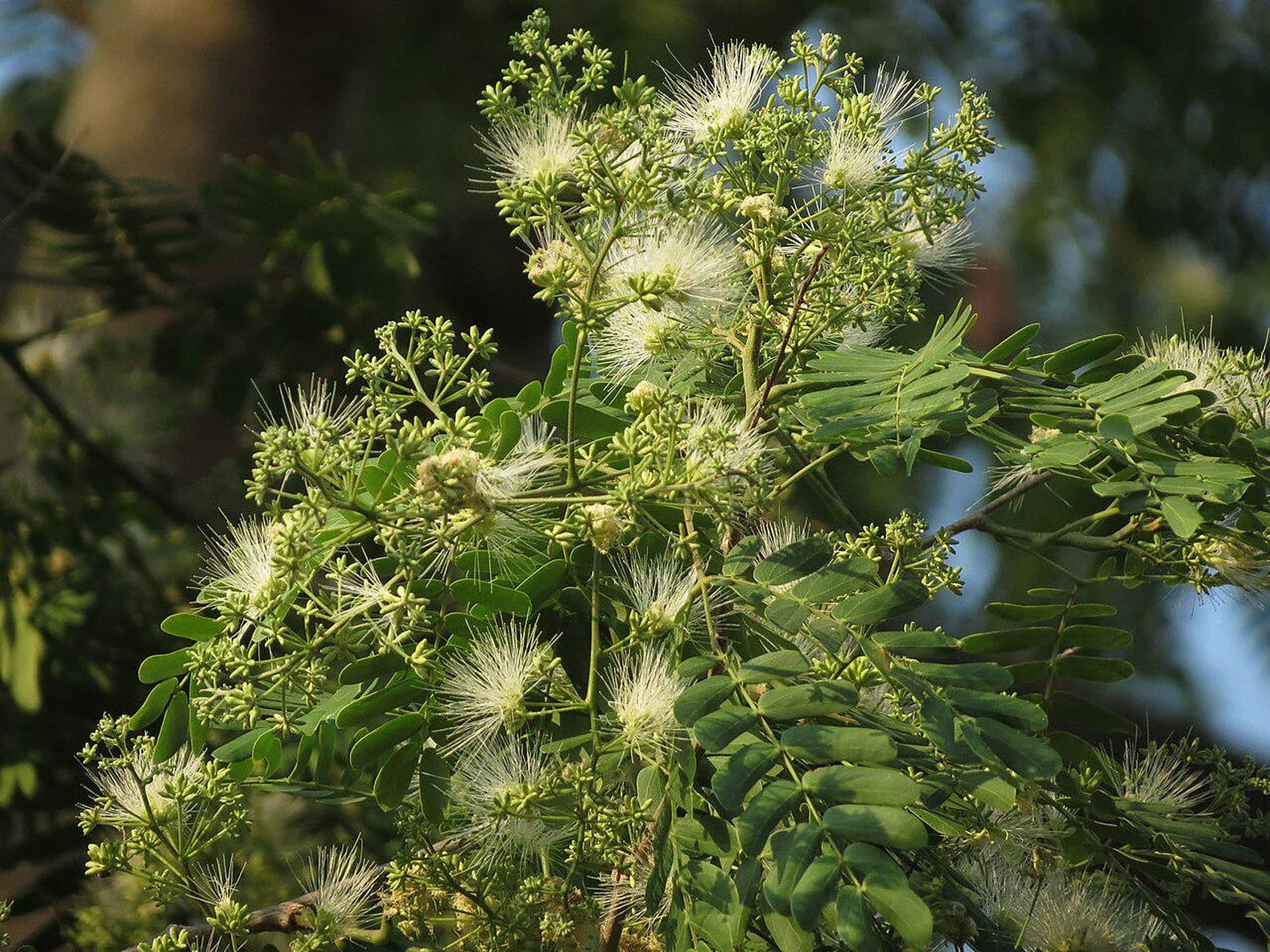
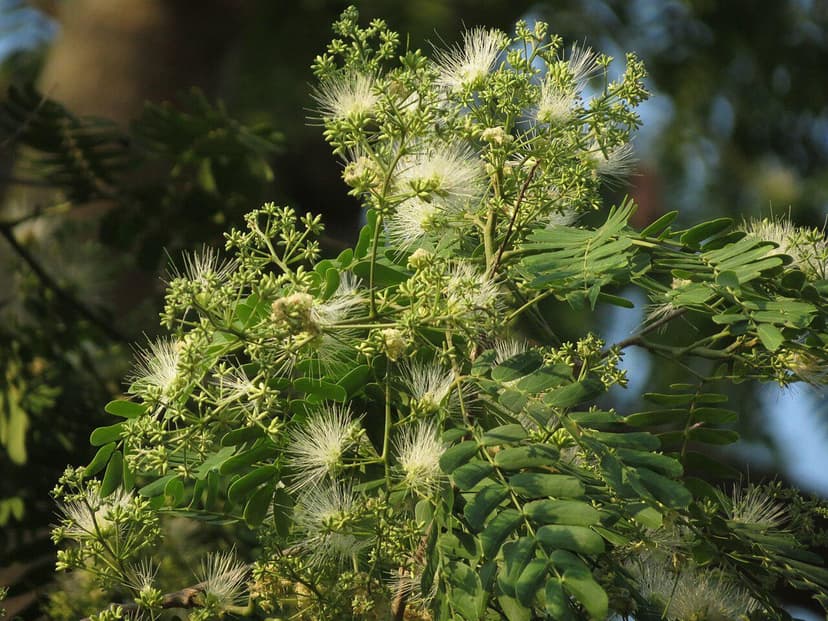
Albizia trees such as siris (A. lebbeck), white siris (A. procera) and silk tree (A. julibrissin) grow fast from seed once the hard seed coat is opened with hot water or a nick. Sow shallowly in warmth and full sun.
Pick out seeds with small round holes; these have been eaten by bruchid beetle larvae and will not grow. Air-dried siris seed keeps well for 1-2 years at room temperature or in the fridge.
Needed for most species. For siris and white siris, USDA gives a dip in boiling water for 1-3 minutes, then soaking. At home you can instead nick the coat with nail clippers on the side away from the scar, or rub it on sandpaper until the pale inner layer shows. Rain tree seed often germinates without treatment.
Not needed. Cold does not break the dormancy; the hard seed coat does.
After the hot-water dip or nicking, soak the seed in room-temperature water for 24 hours and sow it immediately. Swollen seeds are ready; nick again any that stay hard. TNAU's nursery uses only a 24-hour cold soak for siris, but reports just 15% germination.
Sow in warm weather. In India sow in the hot season or early rains; in temperate climates sow indoors in spring with gentle bottom heat. Silk tree is the hardiest species and is grown outdoors in mild temperate areas; the siris species need frost-free conditions.
Up to 2 cm (3/4 in) deep in loose, moist soil. Rain tree nurseries sow about 2.5 cm (1 in) deep.
Free-draining potting mix, or red soil mixed with well-rotted manure in polybags, as TNAU uses. TNAU sows three seeds per 13 x 25 cm polybag and keeps the strongest seedling.
Keep the mix moist but not waterlogged until seedlings are up.
Seedlings need full sun; rain tree seed beds in Hawaii are shaded for the first stage.
Scarified siris seed starts germinating 2-4 days after sowing, with 50-99% success in USDA trials. TNAU reports 7-25 days after a cold soak.
Siris seedlings usually reach plantable size, about 20 cm (8 in), in 2-3 months. In larger 30 x 45 cm bags TNAU grows them to about 1.8 m (6 ft) in six months.
Plant out at the start of the rains, in full sun. Give each tree room for a wide crown and keep it away from buildings.
Water young trees in dry spells until established and keep weeds down. Albizias are legumes; TNAU adds Rhizobium and phosphate-solubilising biofertilisers to nursery bags to improve growth.

Siris (A. lebbeck), white siris (A. procera) and black siris (A. odoratissima) are tropical shade and timber trees; silk tree (A. julibrissin) is a smaller ornamental, 4.5-7.5 m (15-25 ft) tall, hardy in mild temperate climates; rain tree is a huge spreading shade tree.
Albizias drop flowers, leaves and many long pods; silk tree pods are 7.5-15 cm (3-6 in) long. Plant away from paths and pools.
Silk tree is fast-growing but relatively short-lived, about 10-20 years.
Silk tree is invasive and not recommended in Florida, and white siris has naturalized widely in Puerto Rico. Check local advice before planting near natural areas.
Treat the hard seed with hot water, sow it shallow and raise a fast-growing shade tree.
Most do. Siris and white siris seed have a waterproof coat; a 1-3 minute dip in boiling water or a small nick, followed by a 24-hour soak, gives fast and high germination. Rain tree seed often sprouts without treatment.
Fast. Siris seedlings reach planting size of about 20 cm in 2-3 months, and in large nursery bags about 1.8 m in six months.
In the south-eastern USA, yes: UF/IFAS lists it as invasive and does not recommend it anywhere in Florida. Check local rules before planting.

