Free EMS courier delivery across India
Melaleuca viminalis Weeping Bottlebrush Seeds plant

Tree growing guide

How to grow weeping bottlebrush from seedMelaleuca viminalis

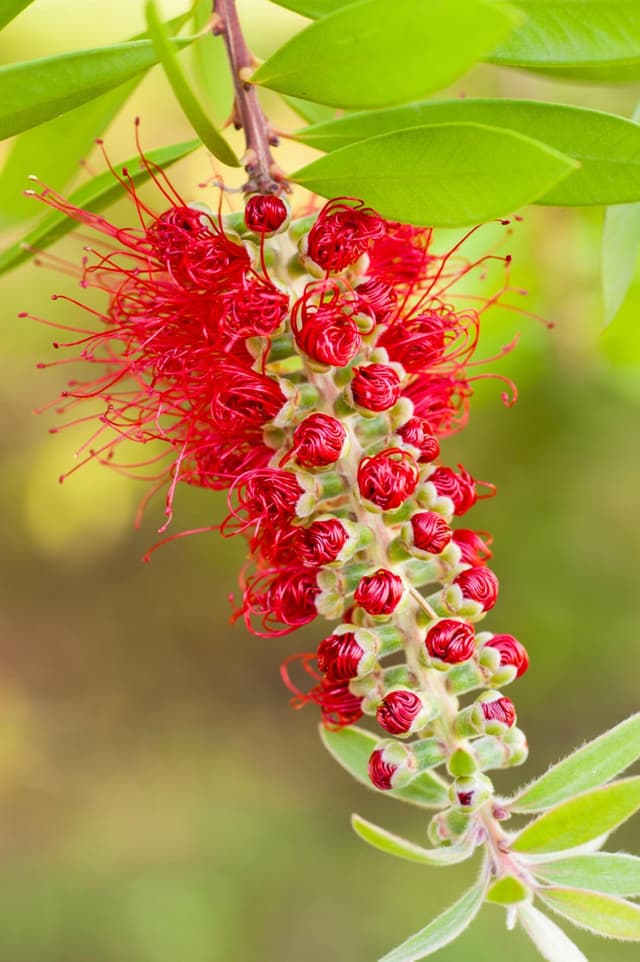
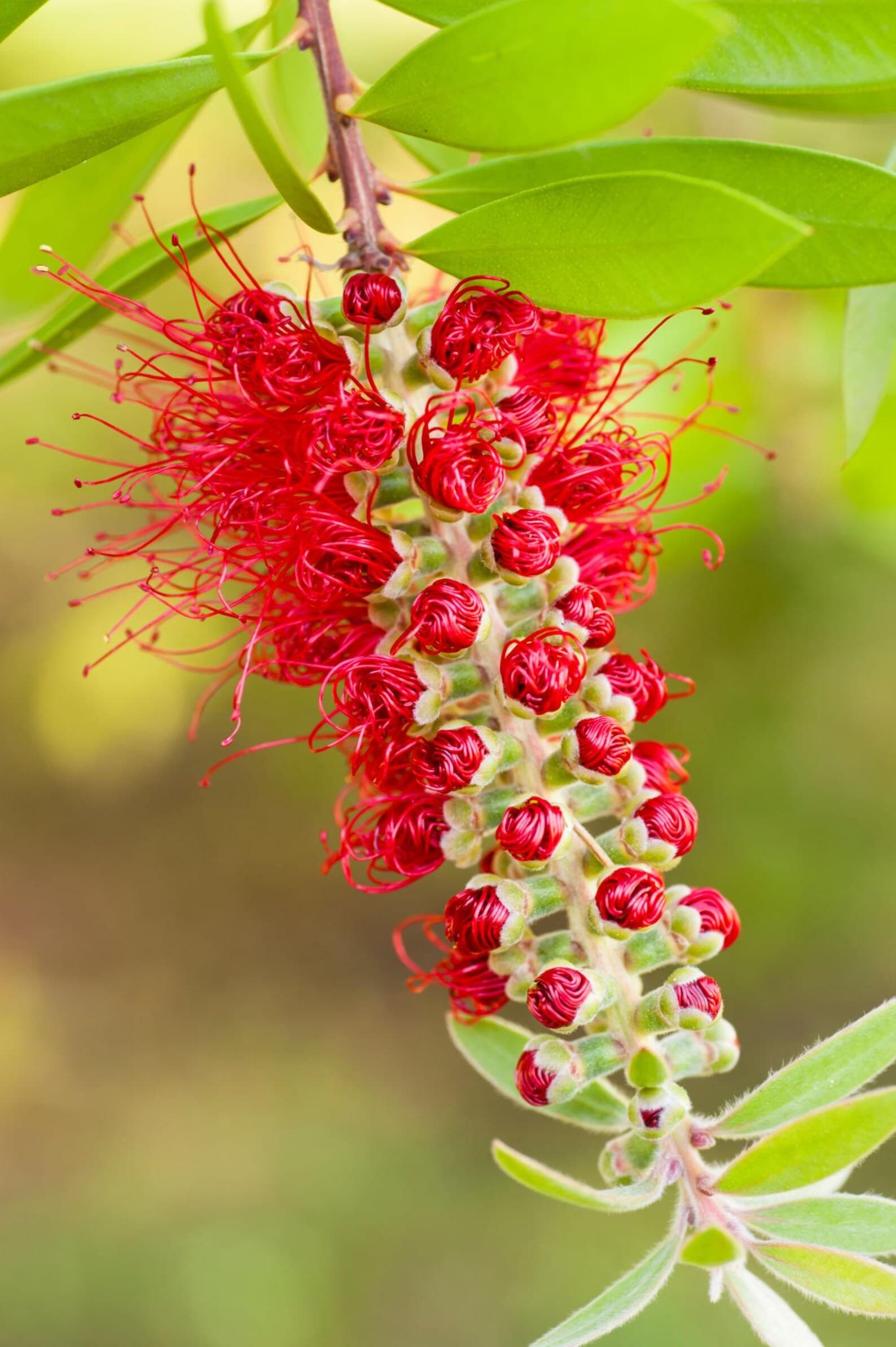
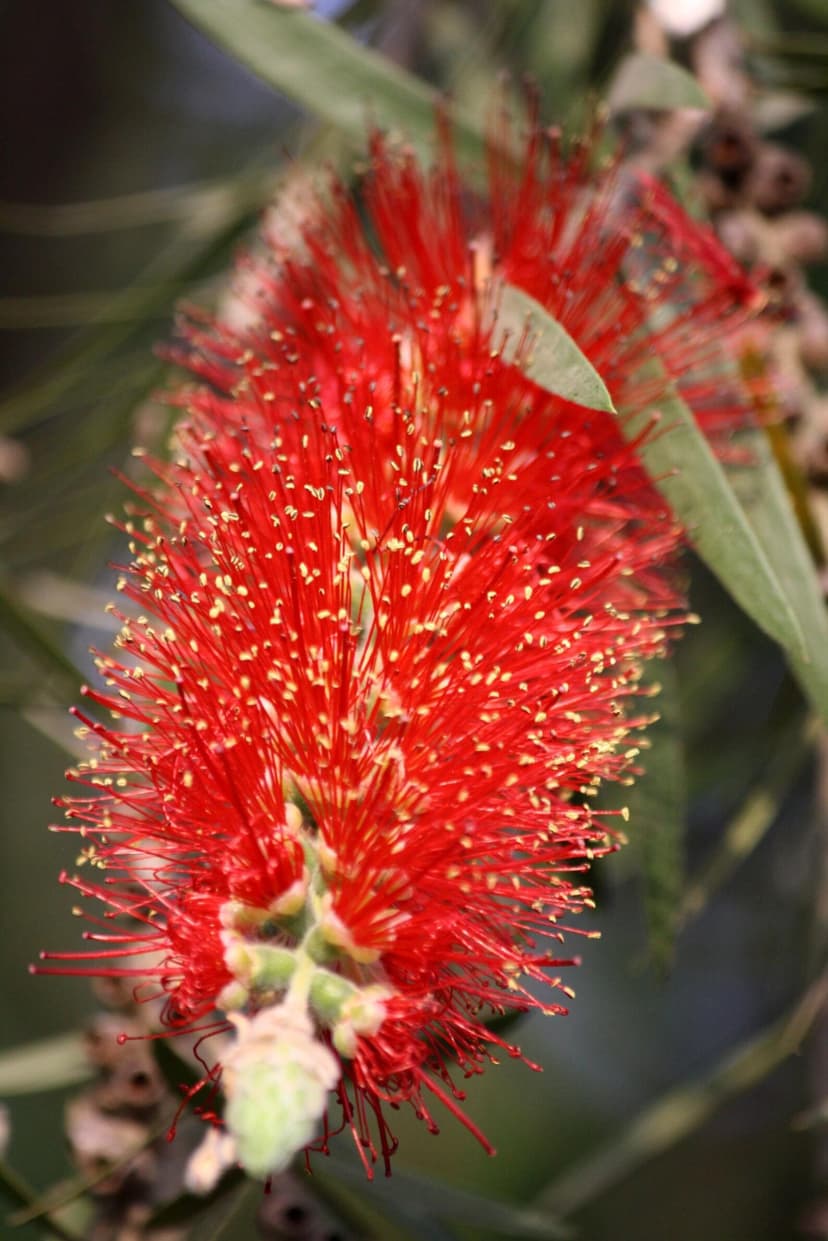
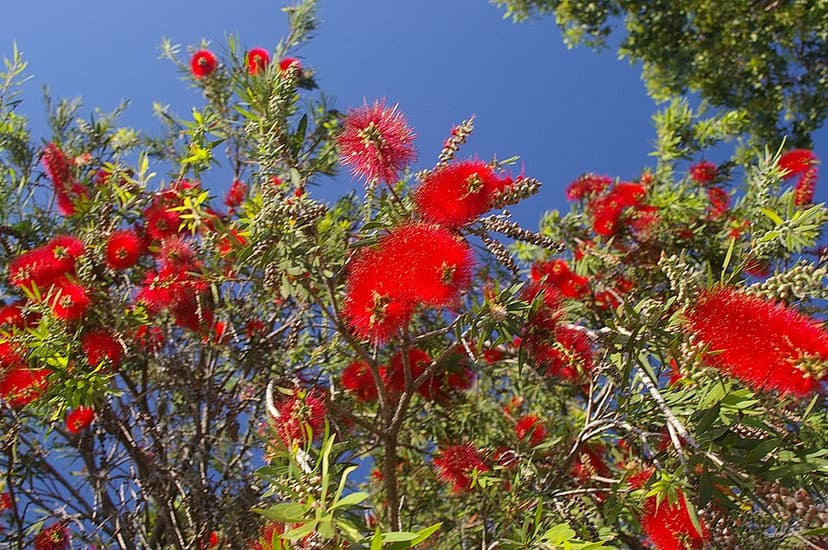
Weeping bottlebrush is an Australian small tree with drooping branches and bright red flower brushes, also sold as Callistemon viminalis. Its dust-fine seed needs no treatment but must be surface-sown and watered from below; this guide shows how.

≈ 2-3 weeks
Germination

At a glance

Germination temperature
Mild to warm; sow in spring or summer with a little warmth.
Sowing depth
Surface: press the seed onto the mix without covering it.
Germination time
About 2-3 weeks.
Light
Leave seed uncovered on the surface; grow seedlings in bright light and later full sun.
Pre-treatment
None needed; just release the seed from the woody capsules.
Transplant or direct sow
Sow in trays or pots and prick out; do not direct sow such fine seed.

Seed preparation

Seed preparation

The seed forms in small woody capsules, 5-6 mm (about 1/4 in) across, clustered along the stems, and each capsule holds many tiny seeds. If you have unopened capsules, put them in a paper bag in a warm, dry place until the fine seed falls out. Seed falls readily from mature capsules once they are dry. Mix the dust-like seed with a little fine dry sand so it can be spread evenly.
Scarification

Not needed. Bottlebrush seed has no hard coat and germinates easily.

Stratification

Not needed. There is no cold requirement.

Soaking

Not needed, and impractical: the seed is so fine that it clumps and is lost in water. Moisten the sowing mix instead.

Melaleuca viminalis Weeping Bottlebrush Seeds

Germination conditions

Germination temperature

Sow in spring or summer. Bottlebrush seed needs only a little warmth; in India, sow after the hottest weather or in the cooler months when trays will not dry out.

Sowing depth

Do not bury it. Sprinkle the seed over the surface of a moist mix and press it down firmly, without covering it.

Growing medium

A freely draining seed-raising mix. The Australian Native Plants Society suggests about 80-85% washed river sand with 15-20% peat moss or a peat substitute; a good commercial seed mix also works.

Moisture

Water from below so the seed is not washed away: stand the pot on a capillary mat or in a saucer of water, or use a very fine mist. Never let the surface dry out until seedlings are established.

Light

Keep the uncovered seed in a bright spot out of harsh midday sun. Seedlings need good air circulation and shelter while small.

Germination time

Seedlings usually appear in about 2-3 weeks.

Transplanting and first growth

  1. Transplanting

    Prick seedlings out into individual small pots when they can be handled, usually when the second pair of leaves appears. Where seedlings are crowded, thin them by snipping out extras so the strongest remain.

  2. First growth stage

    Grow young plants in moist, well-drained mix in full or part sun and plant out once well rooted. Young plants are susceptible to frost damage while small, so shelter them in cold areas.

Melaleuca viminalis Weeping Bottlebrush Seeds

Common problems

ProblemNo seedlings after sowing
Cause
The seed was covered too deeply or washed away by overhead watering.
What to do
Resow on the surface, press in and water only from below.
ProblemSeedlings look different from the parent tree
Cause
Bottlebrushes hybridise readily, so seedlings vary in habit and flower colour.
What to do
Expect variety from seed; use cuttings when you need an exact copy of a named form.
ProblemSeedlings collapse in the tray
Cause
A constantly wet, stuffy surface.
What to do
Use a sandy, free-draining mix, improve air circulation and thin crowded seedlings.
ProblemLeaves burnt after a cold night
Cause
Frost; plants may be damaged by moderate to heavy frost, and young plants most of all.
What to do
Protect young plants in winter in frost-prone areas.

Practical growing tips

Give it water and sun

In the wild it grows along watercourses in eastern Australia. It performs best with a reliable water supply but tolerates dry spells once established, prefers medium to heavy soils, copes with imperfect drainage and flowers best in full sun.

Prune after flowering

Light pruning after flowering removes spent brushes and keeps a good shape; hard pruning can spoil the weeping habit.

Plant responsibly

It produces abundant tiny seed spread by wind and water. A University of Florida risk assessment rates it as high risk, and it is a declared invasive species in parts of South Africa. Avoid planting it next to streams or natural bushland, and check local rules.

Feed once a year

It responds to a light annual feed after flowering.

Weeping bottlebrush seeds from Deodar

Surface-sow the fine seed in spring or summer and water from below for red-flowered weeping trees.

Frequently asked questions

How deep do I sow bottlebrush seed?

Not at all. Sprinkle the dust-fine seed on the surface of a moist, sandy seed mix, press it in and water from below.

Is Callistemon viminalis the same plant as Melaleuca viminalis?

Yes. Botanists now include Callistemon in Melaleuca, so the accepted name for weeping bottlebrush is Melaleuca viminalis; Callistemon viminalis is still widely used in nurseries.

Will seedlings look like the parent?

Not always. Bottlebrushes cross readily, so seedlings vary; named cultivars are grown from cuttings.