Free EMS courier delivery across India
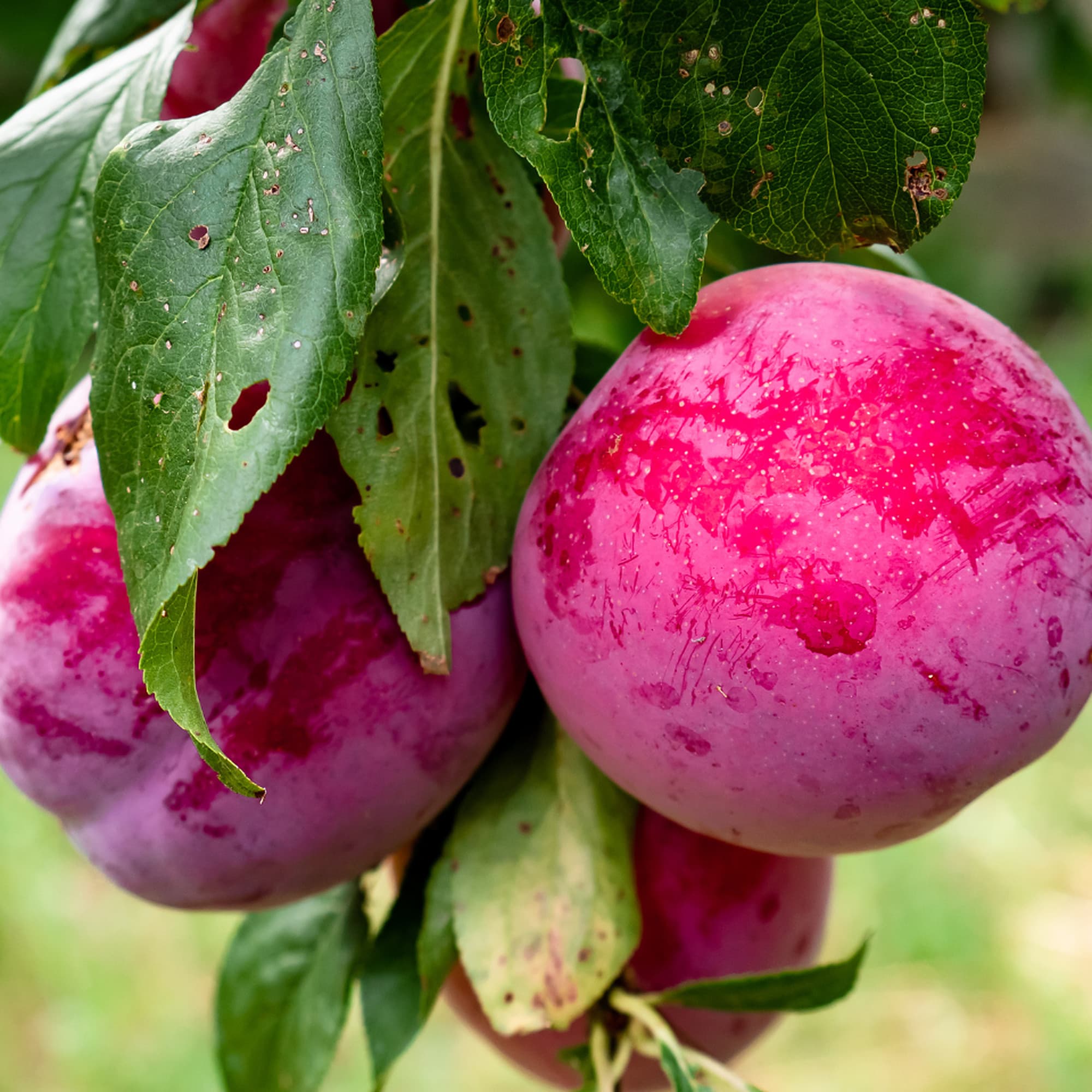
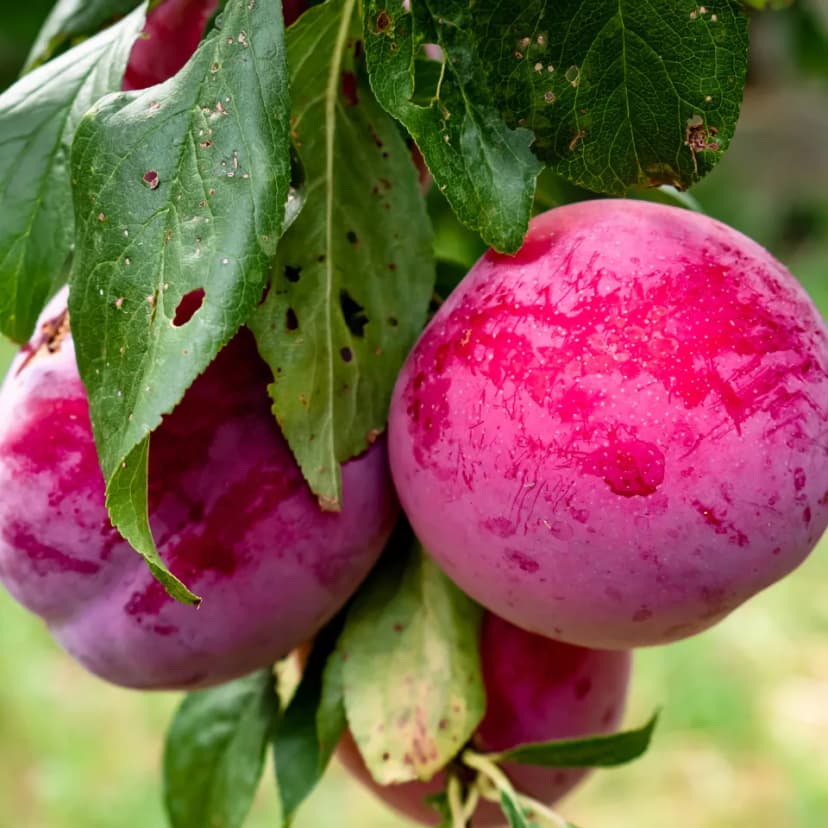
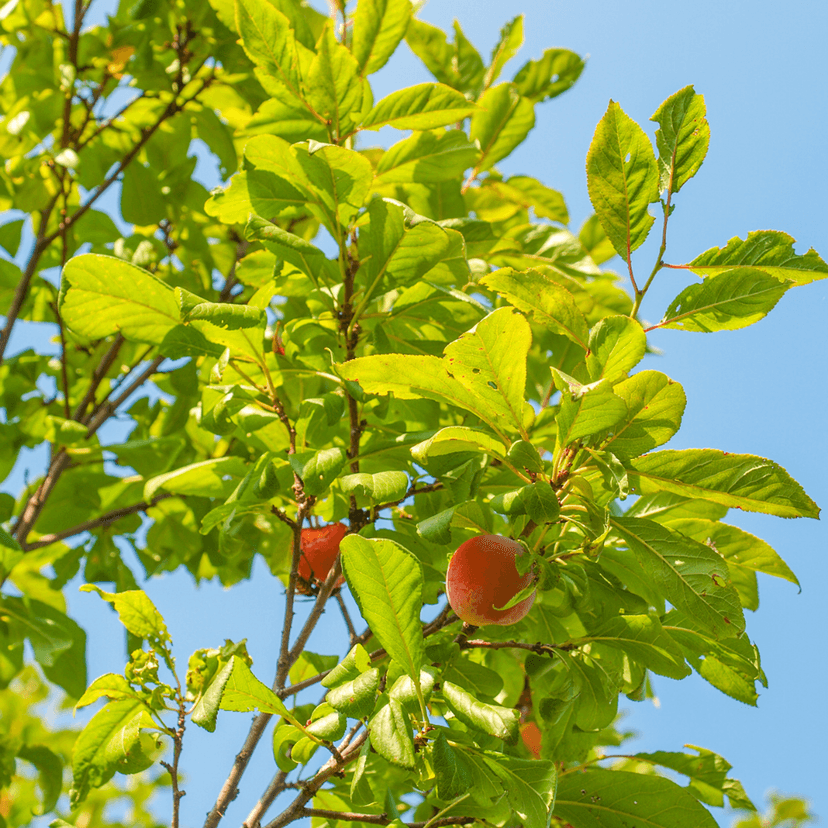
European Plum Seeds from the Himalayas plant

Fruit growing guide

How to grow plum from seedPrunus domestica

Plum stones need a long, moist chill before they sprout, and the seedlings may not match the parent fruit. Raise them as rootstocks, hedging or experimental trees, and expect several years before the first crop.

2-3 °C
Germination temp.
3-5 months
Germination
2.5-5 cm
Sowing depth

At a glance

Germination temperature
Cool: stones often sprout during chilling at 2-3 °C (36-37 °F).
Sowing depth
2.5-5 cm (1-2 in).
Germination time
After 3-5 months of moist chilling; sprouting is uneven.
Light
Not needed to germinate; full sun for trees.
Pre-treatment
Cold stratification, ideally after 2 weeks warm and moist.
Transplant or direct sow
Sow in pots or a nursery bed; plant out after 1-2 years.

Seed preparation

Seed preparation

Take stones from fully ripe fruit, scrub off all the flesh and rinse. Do not let the fruit ferment or heat up in a pile: warm fermentation can sharply reduce germination. Stones you will sow within a few weeks only need surface drying; for longer storage keep them dry and cool, ideally at 1-5 °C (34-41 °F).

Scarification

Not essential. The hard stone (endocarp) lets water in, so plum is not truly hard-seeded, but it slows germination. Carefully cracking the stone or removing the kernel after chilling helps; a high share of stones cracked open but not yet sprouting is the best moment to sow.

Stratification

Required. Keep the stones moist in damp sand or peat at 20 °C (68 °F) for about 2 weeks, then in the fridge at 2-5 °C (36-41 °F) for 3-5 months. In USDA trials garden plum gave 91% germination after 90 days at 2 °C. Check monthly and sow any stones that crack or sprout.

Soaking

Not needed beyond the moist stratification. If the stones have dried, soak them in water for a day before you start the warm phase.

European Plum Seeds from the Himalayas

Germination conditions

Germination temperature

Chilled stones germinate at low temperatures; many begin to sprout in the fridge at 2-3 °C (36-37 °F). Sow sprouting stones at once into pots kept cool and bright, or sow outdoors in late winter or spring.

Sowing depth

2.5-5 cm (1-2 in). Nurseries sow garden plum about 5 cm (2 in) deep; in pots 2.5-3 cm (about 1 in) is enough.

Growing medium

Deep pots of free-draining, loam-based compost, or a fine, weed-free nursery bed. Stones sown direct in autumn (the traditional nursery method without a fridge) chill naturally over winter where winters are cold.

Moisture

Keep evenly moist but never waterlogged; stones rot in cold, saturated compost.

Light

Not needed until the shoot appears; then give full light so seedlings do not stretch.

Germination time

Expect the first sprouts after about 3 months of chilling and stragglers for weeks after. Keep unsprouted stones moist and cool for a second season before discarding them.

Transplanting and first growth

  1. Pot on

    Move seedlings into deeper pots once they have a few true leaves, keeping the root ball intact. Grow them on for one to two years in a nursery bed or large container.

  2. Plant out

    Plant while dormant, from late autumn to early spring in temperate climates and in winter in the Indian hills. Choose full sun, shelter from strong wind and no frost pocket; FAO gives about 6 m (20 ft) between orchard trees.

  3. First growth stage

    Keep weeds away and water in dry spells while the young tree establishes. If you want a named variety, bud or graft it onto your seedling; in Indian hill nurseries plum is shield-budded in July-August.

European Plum Seeds from the Himalayas

Common problems

ProblemStones never sprout
Cause
Too short or too warm a chill, or stones dried out.
What to do
Give 2 weeks warm and at least 3 months at 2-5 °C in a moist medium, and keep them moist throughout.
ProblemStones rot in the pot
Cause
Cold, waterlogged compost or flesh left on the stone.
What to do
Clean the stones well and use a free-draining mix.
ProblemSilvery leaves and dying branches
Cause
Silver leaf fungus entering pruning cuts.
What to do
Prune only in dry weather in spring or summer, never in winter or autumn, and cut out infected wood.
ProblemOozing gum, holed leaves and sunken bark
Cause
Bacterial canker.
What to do
Avoid autumn and winter pruning and remove affected branches in summer.
ProblemCaterpillars or maggots in fruit
Cause
Plum moth in Europe; fruit fly in Indian orchards.
What to do
Clear fallen fruit; FAO lists a bait spray of malathion with sugar for fruit fly where it is permitted.

Practical growing tips

Expect variation

Seedling plums grow larger than grafted trees and do not come true to type. Use them as vigorous rootstocks or hedging, or graft a named variety onto them.

Climate in India

Plums need winter chilling. European plums do best in the hills; Japanese types such as 'Santa Rosa' suit lower hills, and low-chill cultivars such as Titron, Kala Amritsari and Alubukhara are grown on the north Indian plains.

Soil and site

Fertile, moisture-retentive but well-drained soil, ideally pH 6-6.5, in full sun and sheltered from wind.

Pollination

Many plums are self-fertile; others need a compatible variety flowering at the same time. Check before relying on a single tree.

Patience

Garden plum gives its first seed crop at about 5 years from seed; fruit is ready 95-135 days after full bloom, depending on cultivar.

Plum seeds from Deodar

Chill plum stones through a moist winter and raise sturdy seedlings for rootstocks or your own trees.

Frequently asked questions

Will a plum grown from a stone give the same fruit?

Often not. Seedlings may not come true to type and are often more vigorous than grafted trees. To get a known variety, graft or bud it onto the seedling.

Do plum stones really need the fridge?

Yes, unless you sow them outdoors in autumn where winters are cold. Without about 3 months of moist chilling most stones stay dormant.

Can I grow plums in India?

Yes, mainly in the hills. On the north Indian plains choose low-chill cultivars such as Titron or Kala Amritsari, because plums need some winter chilling.

How long until a seedling plum fruits?

Garden plum usually takes about 5 years from seed, longer in poor conditions.