
Seed preparation
Yarrow seed is extremely small: roughly 2.2-4.1 million seeds per pound (0.45 kg). Mix it with dry fine sand so it spreads thinly, and sow on a firm, finely raked surface.
Herb growing guide
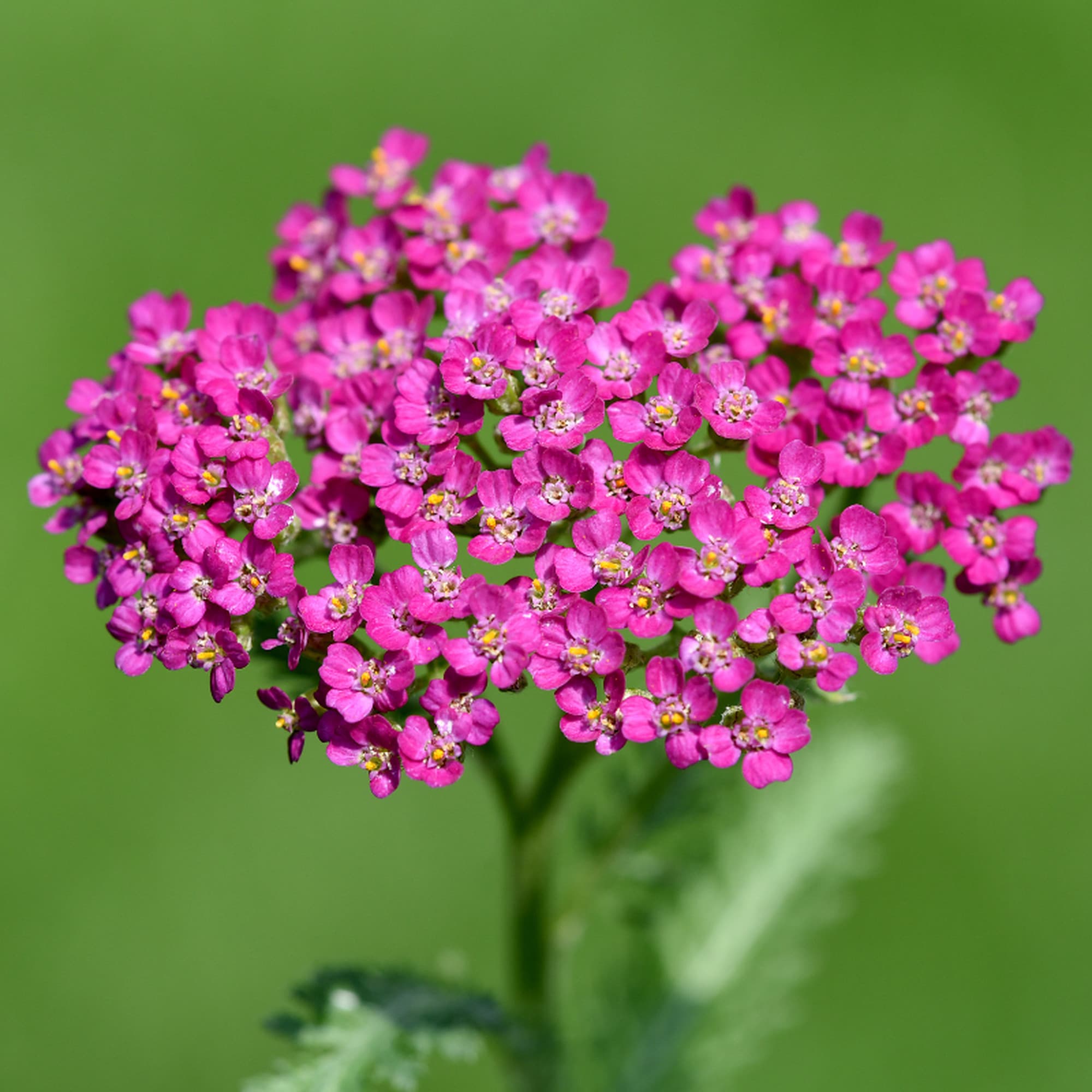
Common yarrow is a tough, spreading perennial with flat heads of small white or pink flowers. Its tiny seed needs light to germinate, so sow it on the surface of a fine seedbed in full sun.
Yarrow seed is extremely small: roughly 2.2-4.1 million seeds per pound (0.45 kg). Mix it with dry fine sand so it spreads thinly, and sow on a firm, finely raked surface.
Not needed. The seed coat does not block water uptake.
Optional. The USDA NRCS plant guide recommends about one month of cold, moist stratification, while USDA laboratory tests reached up to 99% germination without it at alternating 15/25 °C with light. Use a month in the refrigerator in moist sand only if an earlier sowing came up poorly.
Not needed. Soaked seed this small clumps together and is hard to sow evenly.
Germination is highest when temperatures swing between about 15 °C (59 °F) and 25 °C (77 °F), as they do outdoors in spring and autumn. Constant warmth or constant cool gives lower results.
Press the seed onto the surface or cover it with a dusting of soil or vermiculite, no deeper than 0.6 cm (1/4 in). Seed in the dark germinates less well.
Any well-drained soil. Yarrow establishes in dry sandy soil and in damp clay and tolerates acid to alkaline pH, but seedlings rot in waterlogged ground. For trays, use a fine seed compost.
Keep the surface just moist with a fine spray until seedlings are up; a sheet of glass or clear film helps, but remove it once they emerge.
Give light from sowing: a bright windowsill, greenhouse bench or open bed. Plants flower best in full sun.
About one to two weeks in warm soil.
Prick out tray-sown seedlings into cells when they have two or three true leaves and plant out after hardening off. Loosen the soil 30-38 cm (12-15 in) deep before planting.
Rhizomes spread sideways, so allow room. The NRCS plant guide spaces plants about 90 cm (3 ft) apart; plant closer only where you want a quick, dense cover.
Young plants form a low rosette of feathery leaves first. Weed around them in the first months; once the rhizomes knit together, yarrow suppresses most weeds itself.
Established plants are fairly drought tolerant and do not need fertilizer. Water only during long dry spells.
Besides seed, lift and divide clumps in spring or autumn, or replant rooted pieces of rhizome. Divided plants keep the flower colour of the parent; seedlings from coloured forms may vary.
Yarrow is native in the Himalaya and likes a temperate climate. In the hills sow in spring; on the hot plains sow after the monsoon so plants establish in the cooler months, in a spot with good drainage.
Stored cool and dry, yarrow seed stays viable for 5-7 years.
Horses and cattle tend to avoid yarrow; sheep graze the flower heads.
Sow yarrow on the surface of a sunny, well-drained bed for long-lived flowering clumps.
Only very lightly. Light improves germination, so press the seed onto the surface or cover it with no more than 0.6 cm (1/4 in) of fine soil or vermiculite.
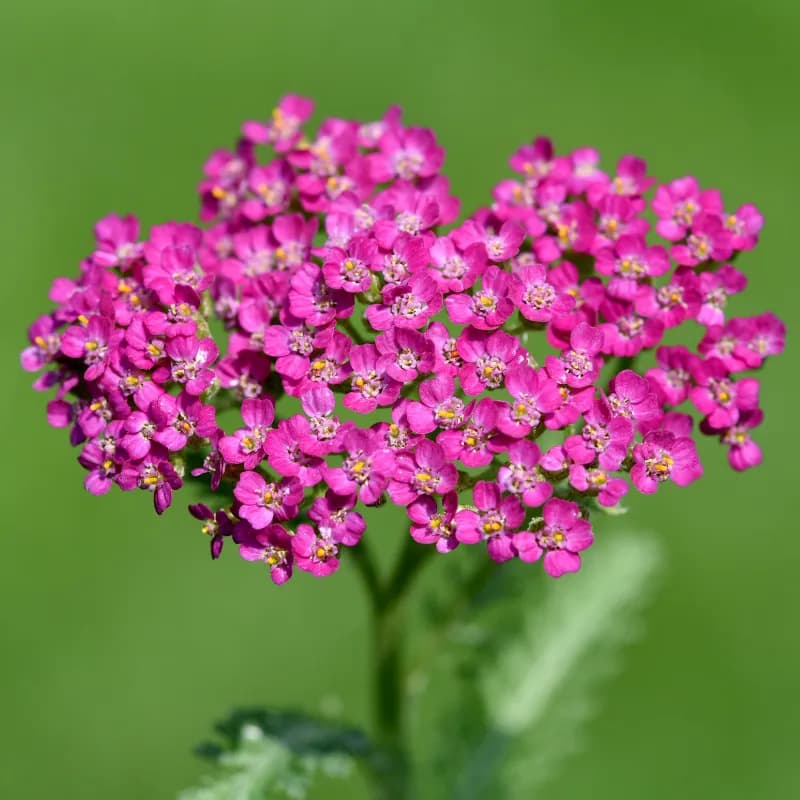
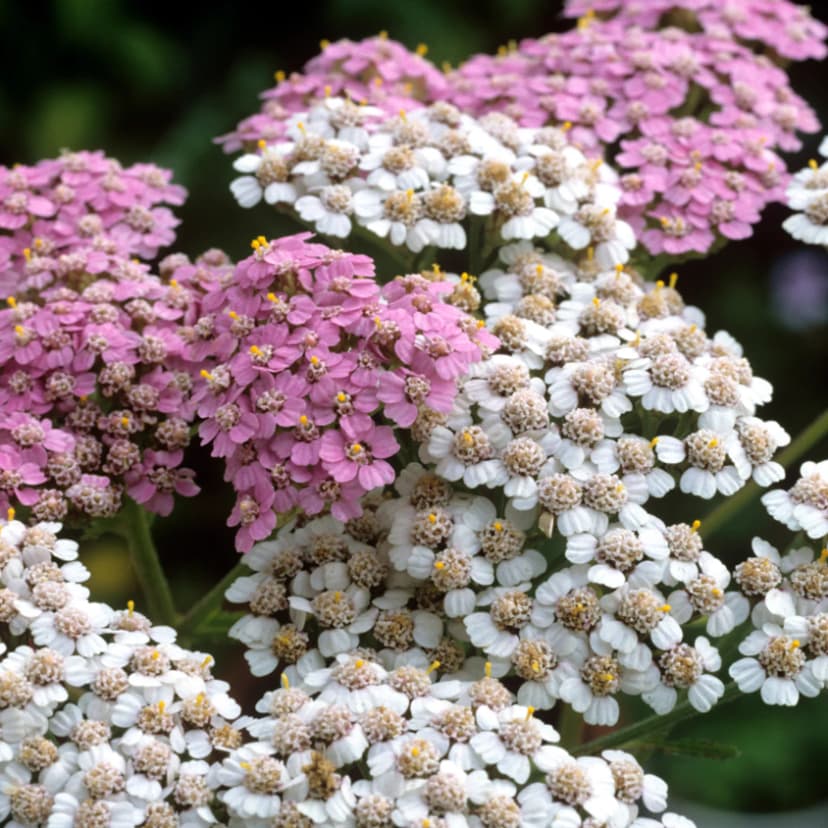
No. Wild common yarrow is usually white; pink and red garden forms belong to the same species and are grown the same way.
It can. Rhizomes form dense patches, so give it a defined space, edge the bed and divide clumps every few years.
