
Seed preparation
The seeds are flattened, round, red-brown to black and up to 0.8 mm long. Mix them with a little dry sand so you can see where they fall and sow thinly.
Herb growing guide
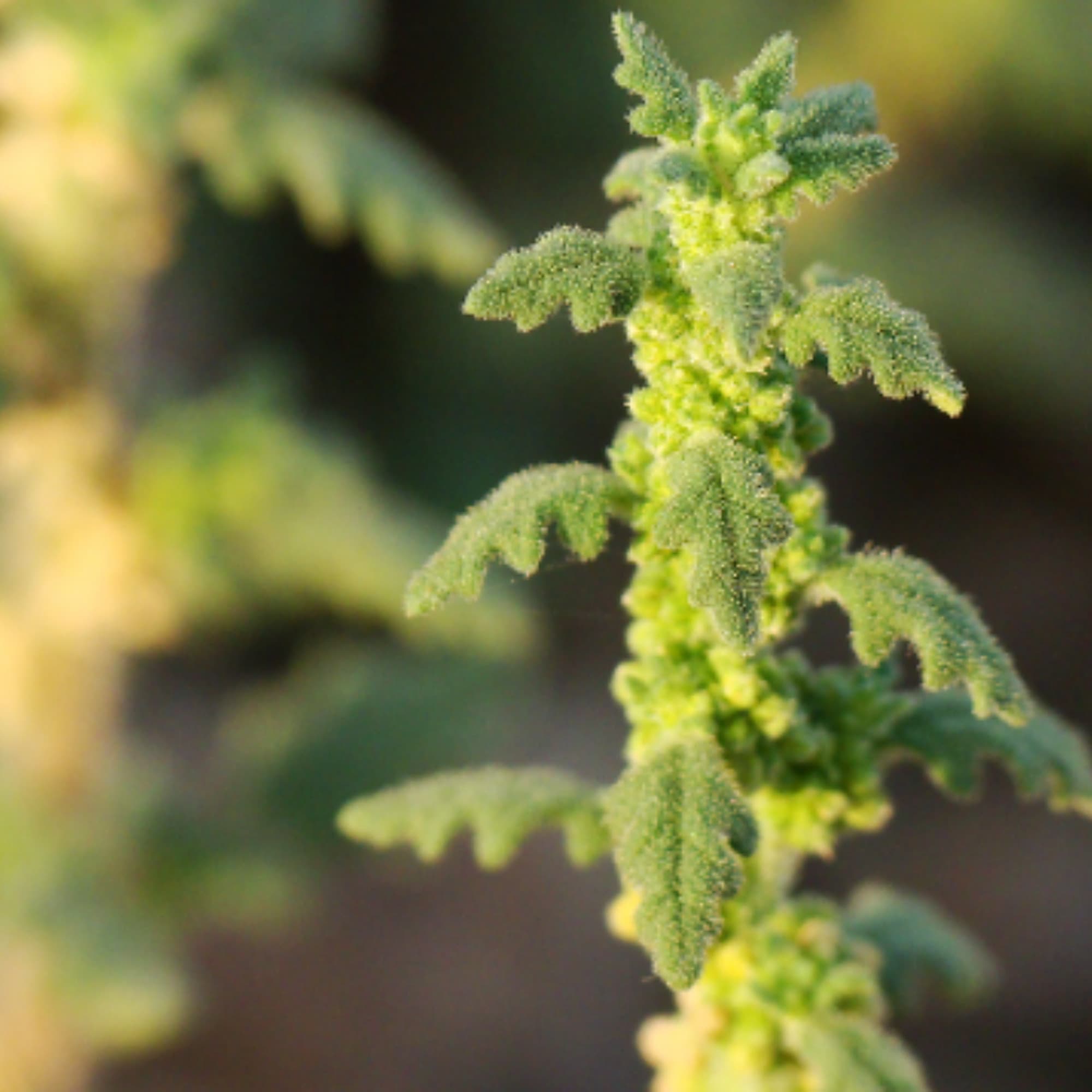
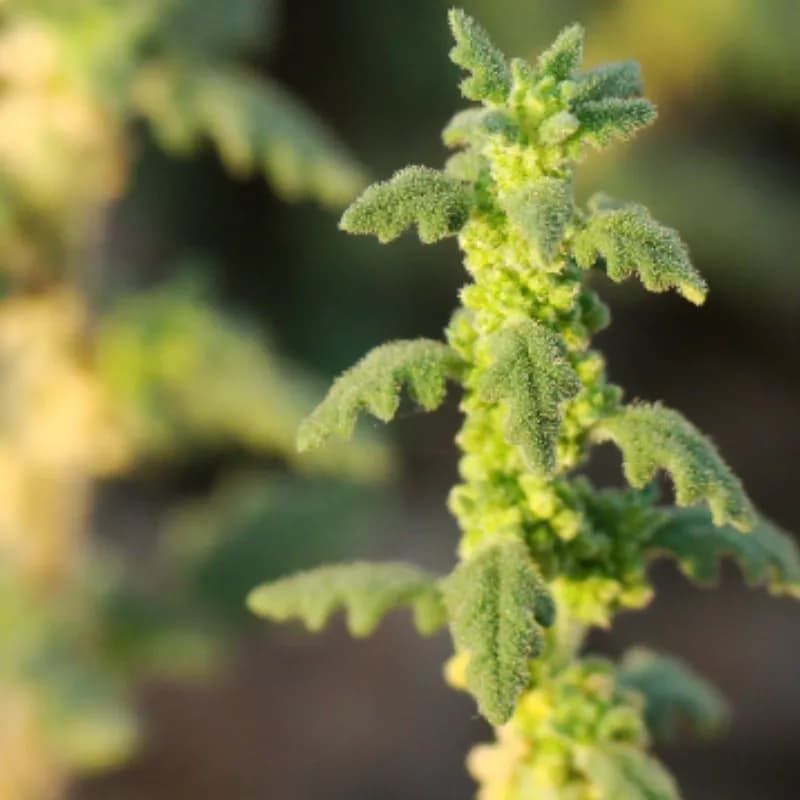
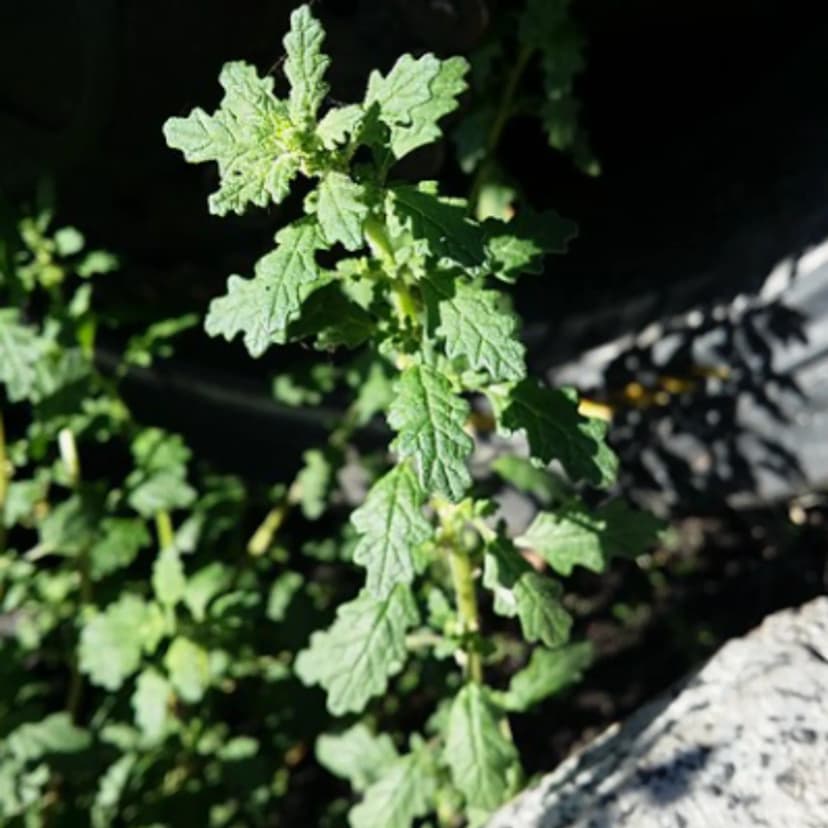
Jerusalem oak is a sticky, strongly scented annual with oak-like leaves and feathery green flower spikes, grown for its fragrance and for cutting. It is easy from seed sown on the surface in a sunny, dry spot.
The seeds are flattened, round, red-brown to black and up to 0.8 mm long. Mix them with a little dry sand so you can see where they fall and sow thinly.
Not needed. The seed coat is thin.
Not needed for spring sowing. Plants that self-sow in autumn come up on their own after winter, so autumn sowing outdoors is another option in cold climates.
Not needed. Soaked tiny seeds clump together and are hard to sow evenly.
Sow outdoors after the last spring frost, or indoors a few weeks earlier at normal room temperature. Jerusalem oak is a temperate annual; on the hot Indian plains it is best sown in the cooler months after the monsoon, while in the hills it can be sown in spring.
Scatter on the surface and press in with a board or your palm. At most, cover with a dusting of fine soil; a 1 cm (1/2 in) cover is too deep for such small seed.
Any light, well-drained soil or seed compost. In the wild it grows on roadsides, gravel and sandy or rocky ground.
Keep the surface just moist until seedlings appear, using a fine spray so the seed is not washed away.
Leave the seed exposed to light. In studies on related goosefoots, darkness inhibited germination.
No measured figure was found for this species. In mild, moist conditions seedlings normally appear within a few weeks; keep the bed weed-free so you can recognise them.
Thin or plant seedlings 15-30 cm (6-12 in) apart; mature plants are about 30-60 cm (1-2 ft) tall and 15-30 cm (6-12 in) wide. Move tray-raised seedlings while still small.
Water until seedlings are established, then only in long dry spells. Plants branch freely from the base and flower from early summer to autumn.
Full sun, at least six hours a day. It tolerates clay, loam, sand and shallow rocky soils, but grows best where drainage is good.
Water deeply but rarely once plants are established, and water at soil level. The legacy advice to avoid overhead watering is sound.
Cut flowering stems when the feathery plumes are well formed and hang them upside down in a dry, airy place. Dried stems are used in scented arrangements.
Stems and leaves are covered in sticky glandular hairs. They do not cause skin rashes, but wash resin off your hands after cutting.
Surface-sow Jerusalem oak in a sunny, dry corner for fragrant, feathery stems to cut and dry.
No. Both belong to the genus Dysphania, but epazote is a different species. Jerusalem oak (Dysphania botrys) is a sticky, scented annual grown mainly for its feathery stems.
On the surface. The seed is under 1 mm long and germinates better in light, so press it in and cover with no more than a dusting of soil.
It is an annual, but it self-sows freely. Cut the stems before seed ripens if you do not want seedlings all over the bed.
