
Seed preparation
Sow dry. The seed is 2-3 mm long and reddish brown. Its coat contains a lot of mucilage, so as soon as it is wetted each seed is covered in a clear gel. This is normal and helps the seed stick to wet cloth, paper or soil.
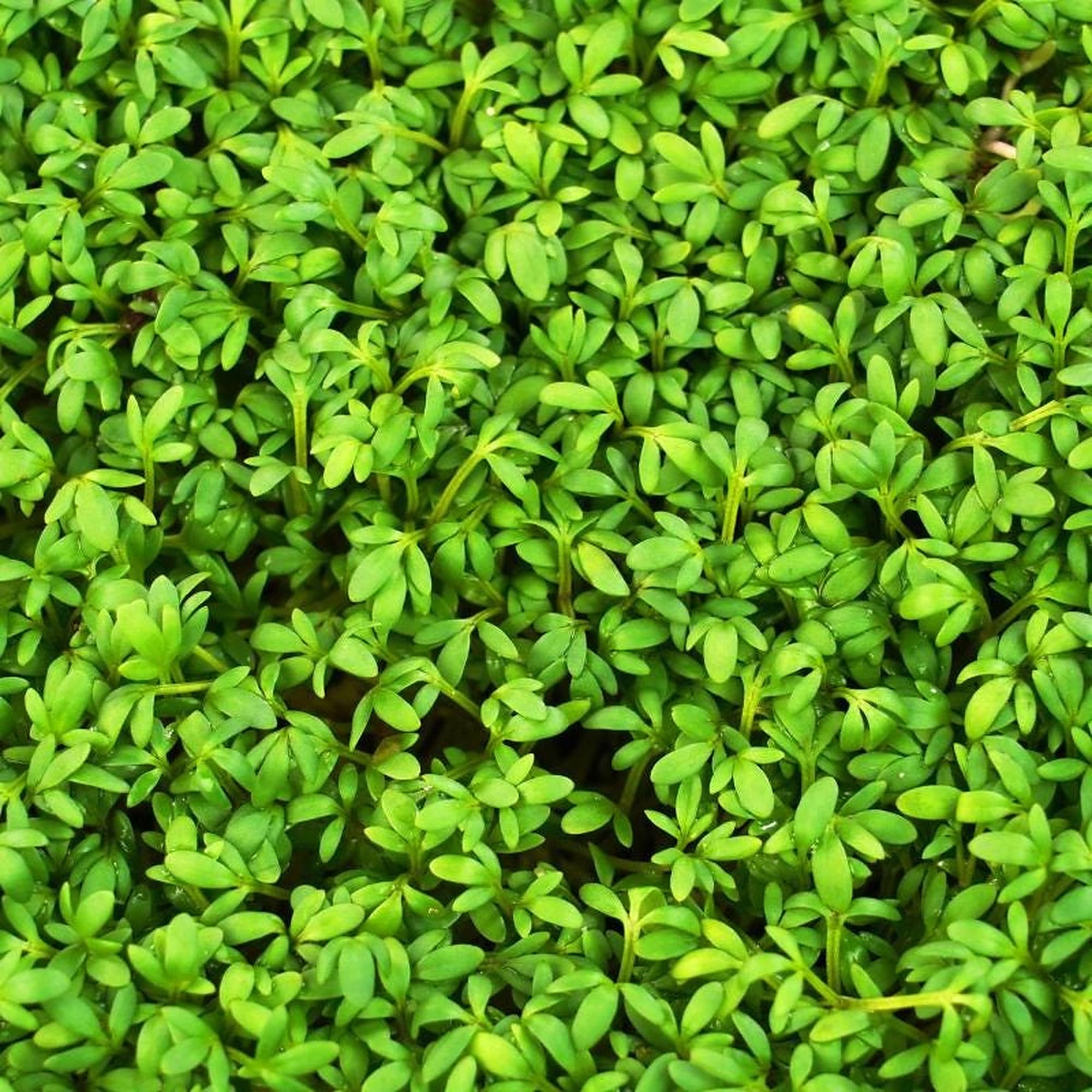
Herb growing guide
Garden cress, known in India as halim, chandrasur or asalio, is one of the fastest seeds to sprout: in mild conditions most seed germinates within 3-4 days. This guide covers cress as sprouts, microgreens, a leaf crop and a cool-season seed crop.
Sow dry. The seed is 2-3 mm long and reddish brown. Its coat contains a lot of mucilage, so as soon as it is wetted each seed is covered in a clear gel. This is normal and helps the seed stick to wet cloth, paper or soil.
Not needed. Cress has no hard seed coat; in tests of fresh seed lots, 85-97% germinated without any treatment.
Not needed. Cress has no cold requirement.
Not needed and not helpful. Soaked cress seed forms a sticky mass that is hard to spread evenly. Sprinkle dry seed onto a pre-wetted surface instead.
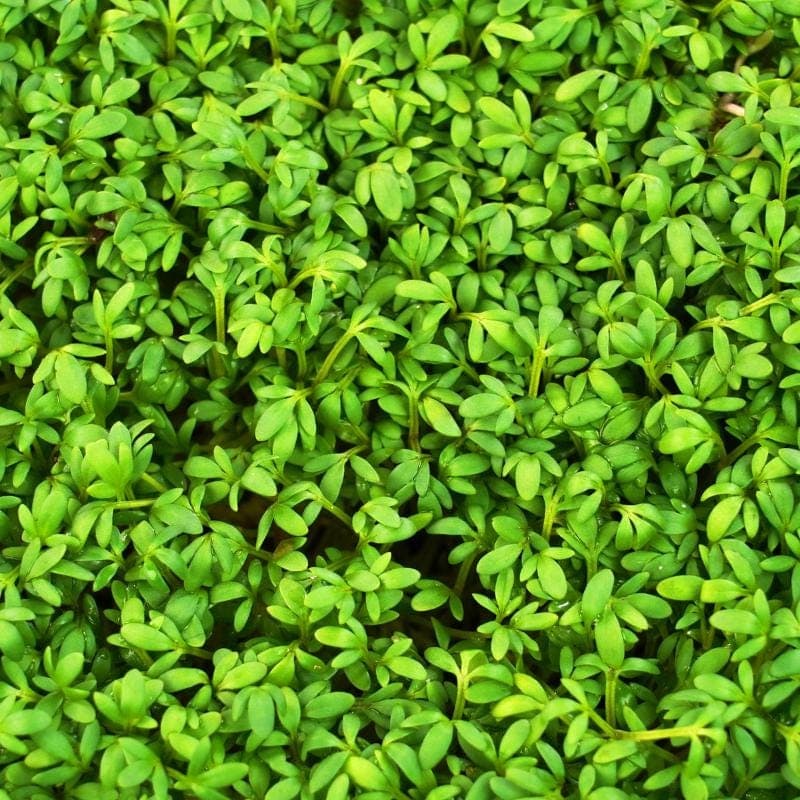
In a seed-testing study of two seed lots, germination was 85-97% at 15-25 °C (59-77 °F) and fastest at 25 °C (77 °F). It dropped to about 78-80% at 30 °C (86 °F), with heat inhibition above 30 °C. In hot Indian summers, sprout cress indoors in the coolest room, not on a sunny windowsill.
For a leaf crop in soil, sow about 6 mm (1/4 in) deep or cover very lightly. For sprouts and microgreens, the seed is not covered at all.
For sprouts: a damp cotton cloth, several layers of kitchen paper or a sprouting tray; the gel anchors the seed. For microgreens: a shallow tray of fine seed compost or coco peat. In the garden: rich, light soil that holds moisture; cress grows best on moist loams.
Keep the surface wet at all times until the seedlings are up; cress seedlings wilt and stop quickly if the cloth or compost dries out. Mist rather than pour, so the seed is not washed into clumps.
Seed germinates in light or darkness. After germination move the tray into bright light, or the seedlings become pale and long.
At 25 °C (77 °F) germination is complete in about 4 days, and in a separate test most seed germinated within 3 days. At 15-20 °C (59-68 °F) or 30 °C (86 °F) allow 6-8 days.
Not recommended. Sow where the crop will grow: thickly on cloth or in trays for sprouts and microgreens, or in garden rows about 8-10 cm (3-4 in) apart for leaves.
Sprouts and microgreens are ready about 10 days after germination, when the three-lobed seed leaves are open. Garden rows are ready to cut 2-3 weeks after emergence, when leaves are about 5 cm (2 in) long. Thin to 20-30 cm (8-12 in) only if you want larger plants or seed.
Halim grown for seed is a rabi (cool-season) crop in India; the whole life cycle takes about 3 months. In a three-year trial at Mandsaur, Madhya Pradesh, broadcasting 8 kg seed per hectare gave the highest seed yield, about 20 q/ha; heavier seeding gave taller but less productive plants.
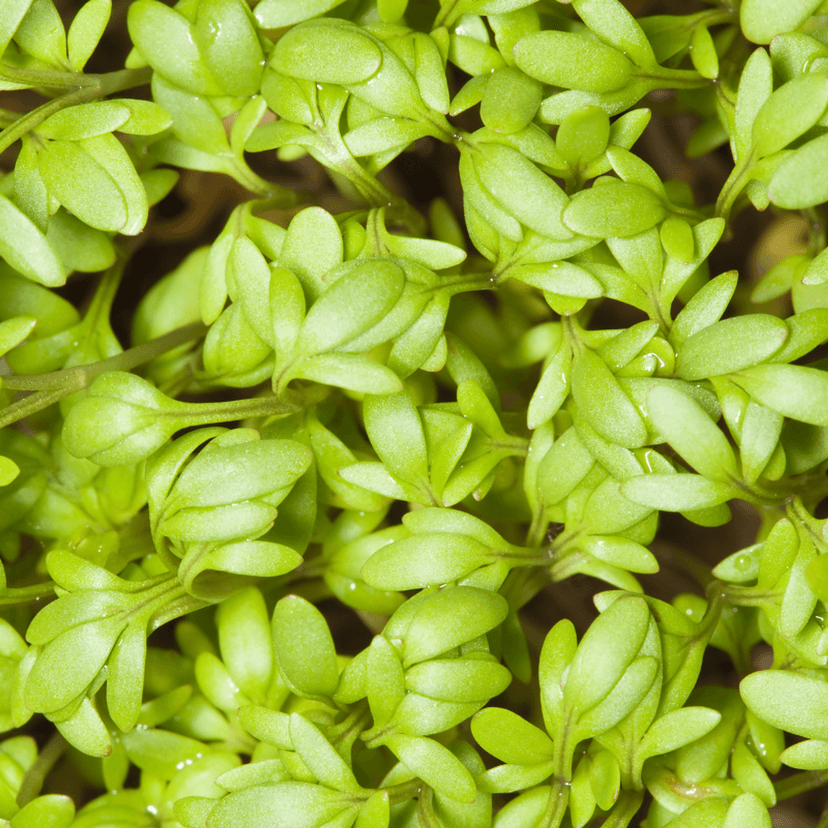
Because cress is ready so fast, a new sowing every 2 weeks gives a steady supply. A 3-4.5 m (10-15 ft) row is enough for an average family.
In the garden cress grows in full sun or partial shade; in Indian plains, light afternoon shade slows flowering in the warmer part of the season.
Cress needs very moist soil throughout its short life. Pots and trays may need watering every day in dry weather.
Serious pests and diseases are not commonly reported for cress, so a short crop rarely needs spraying.
Grow halim as sprouts, microgreens or a quick leaf crop from Deodar garden cress seeds.
The seed coat contains mucilage that swells into a gel when wet. It is a sign of healthy water uptake, not rot. It is also why cress sprouts well on a damp cloth without soil.
Sprouts and microgreens about 10 days after germination; garden-grown leaves 2-3 weeks after the seedlings appear.
Only if they are untreated and fresh enough to germinate. Seeds sold for planting are tested for germination; culinary seed may be old or roasted.

