
Seed preparation
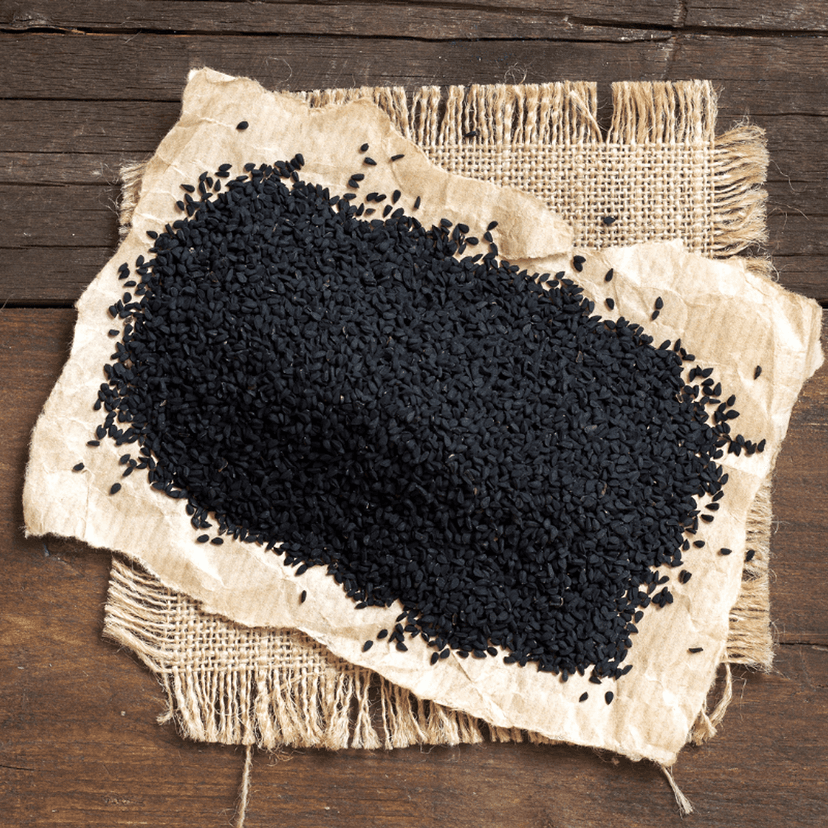
Sow clean, plump seed. For a field, CRCNA uses 5-15 kg of seed per hectare depending on the planter and seed quality, with less seed for precision planters. In a garden, sow thinly along the row.
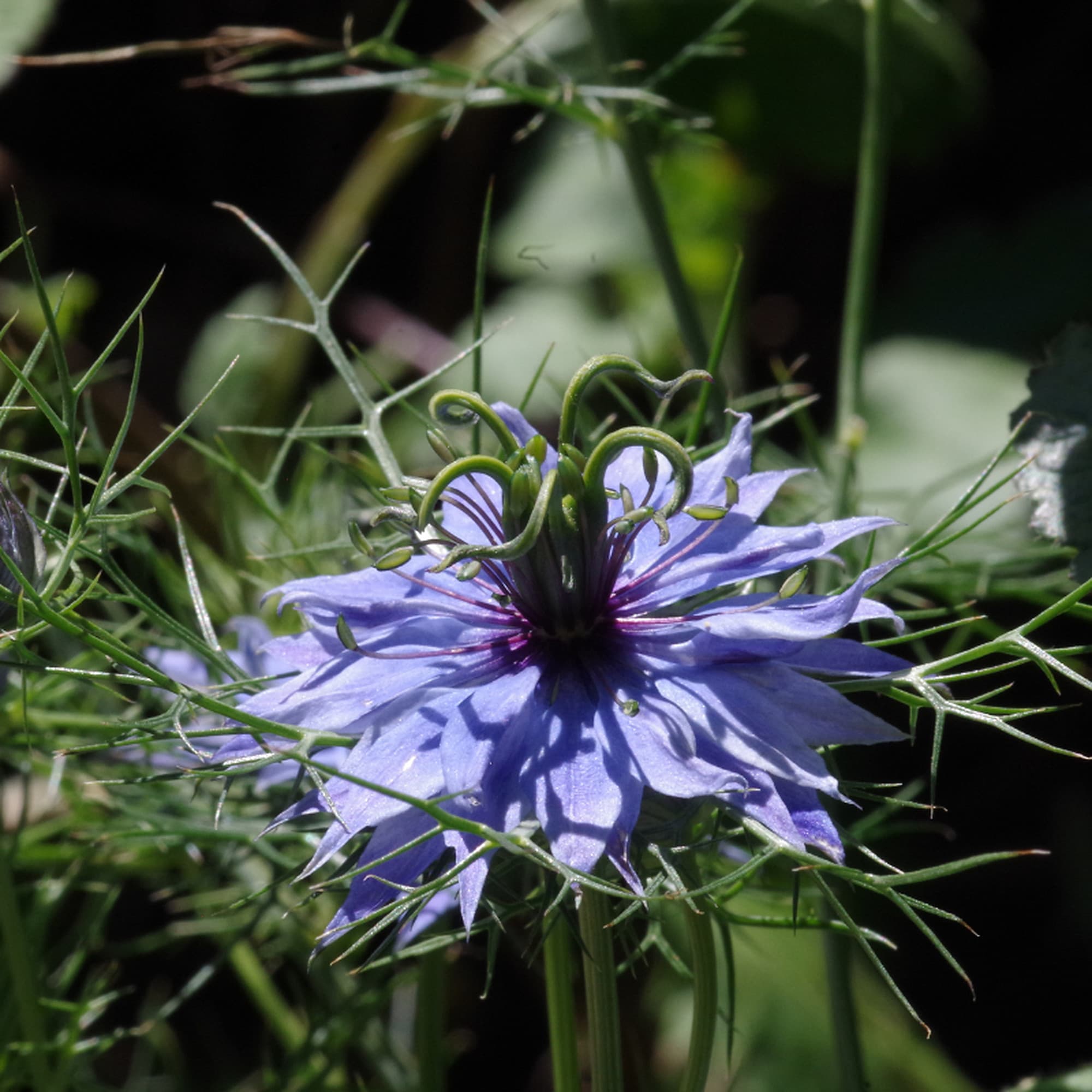
Herb growing guide
Black cumin, or kalonji, is a cool-season annual grown for its small black seeds. Sow it directly, shallowly and in cool weather, water it at the key stages, and harvest when the capsules and seeds turn dark.
Sow clean, plump seed. For a field, CRCNA uses 5-15 kg of seed per hectare depending on the planter and seed quality, with less seed for precision planters. In a garden, sow thinly along the row.
Not needed. The seed has no hard coat that blocks water uptake.
Not needed. Cool soil at sowing time does the job naturally.
Not needed. Sowing into evenly moist soil is more important.
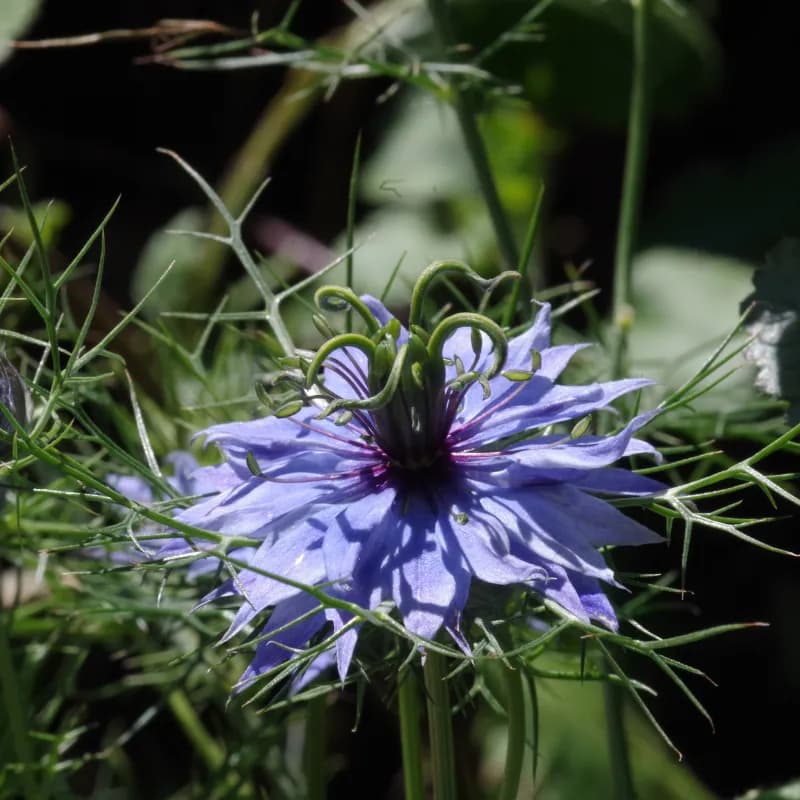
Germination is best at 12-18 °C (54-64 °F) and falls off above 25 °C (77 °F). The crop grows best at daytime averages of 14-26 °C (57-79 °F) and needs cool, moist weather at flowering and seed set. On the Indian plains it is a rabi crop: at ICAR's Ajmer centre, sowing on 15 October gave the best yield and seed quality. Where winters are cold, sow in spring.
0.5-1.5 cm (0.2-0.6 in), using the shallower depth in moist soil.
Well-drained loam or sandy soil rich in organic matter. Ideal pH is 7.0-7.5, tolerated range 5.0-8.5; lime acid soils. Prepare a fine tilth, and use raised beds where drainage is poor. Soils that crust after rain reduce emergence.
Sow into moist soil and water soon after sowing; target moderate moisture rather than waterlogging.
No light is needed under the soil cover. Choose an open, sunny site.
Emergence is quickest and most even at cool temperatures; in warm soil it is slower and patchier.
Do not transplant; nigella is grown from seed sown in place. Sow in rows 25-30 cm (10-12 in) apart and thin to 5-15 cm (2-6 in) in the row. At Ajmer, 25 x 10 cm (10 x 4 in) gave the best yield; CRCNA aims for 40-60 plants per square metre.
Keep the crop weed-free for the first 40 days, hoeing around 30 and again at 60 days after sowing if needed. Give the second nitrogen dose about 60 days after sowing.
Flowering starts roughly 85-90 days after sowing in ICAR's Ajmer Nigella-20 variety; keep soil moisture steady from then until seeds fill.
Work phosphorus, potassium, sulphur and about half the nitrogen into the soil before sowing, and give the rest of the nitrogen about 60 days after sowing.
Nigella tolerates dry spells, but the four critical watering points are just after sowing, during leafy growth, at flowering and during seed formation.
The crop takes about 140-186 days from sowing; Ajmer Nigella-20 matures in 145-150 days. Harvest when the seeds in the capsules turn dark brown to black. Small plots are pulled, bundled, dried and threshed by hand; fields can be combine-harvested.
Stop watering at the end of seed set so plants dry down, then dry the threshed seed thoroughly before storage.
Sow black cumin in the cool season for a crop of dark, aromatic seed.
This guide covers Nigella sativa, known as kalonji. Kala jeera usually means Bunium persicum, a different plant from the carrot family that is grown quite differently.
In the rabi season. Trials at ICAR's Ajmer centre found mid-October sowing gave the best seed yield and quality.
It germinates poorly above 25 °C and needs cool weather at flowering, so in hot climates sow it for the cool season. Where winters are cold, sow in spring.
