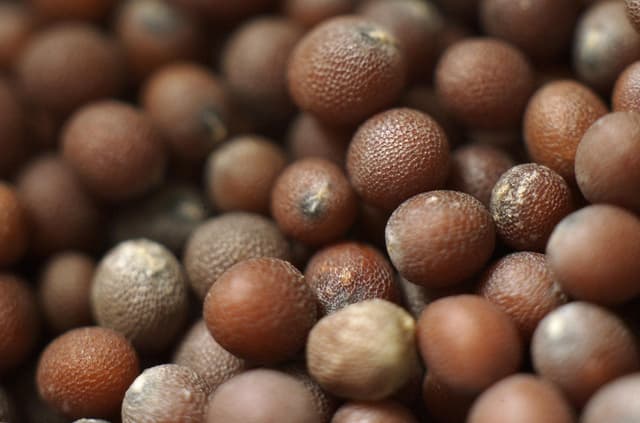
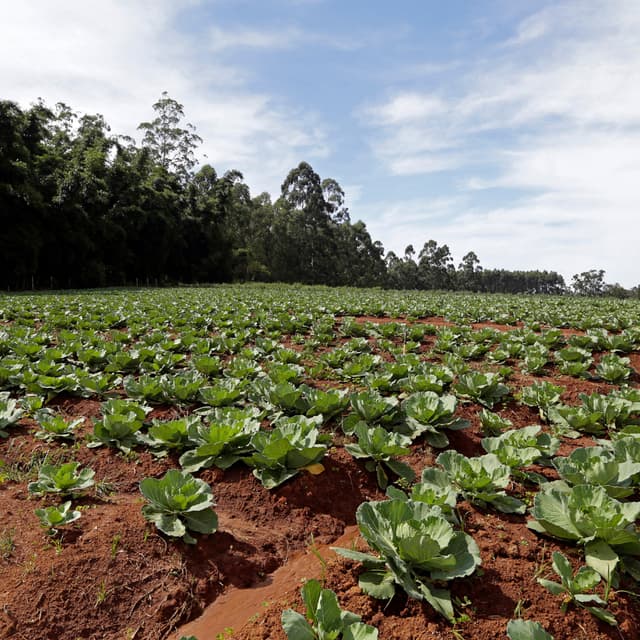
Seed preparation
Use clean, healthy seed: white rust and Alternaria blight can start from infected seed and crop debris. The seed is small, so mix it with fine sand or soil for even sowing by hand.
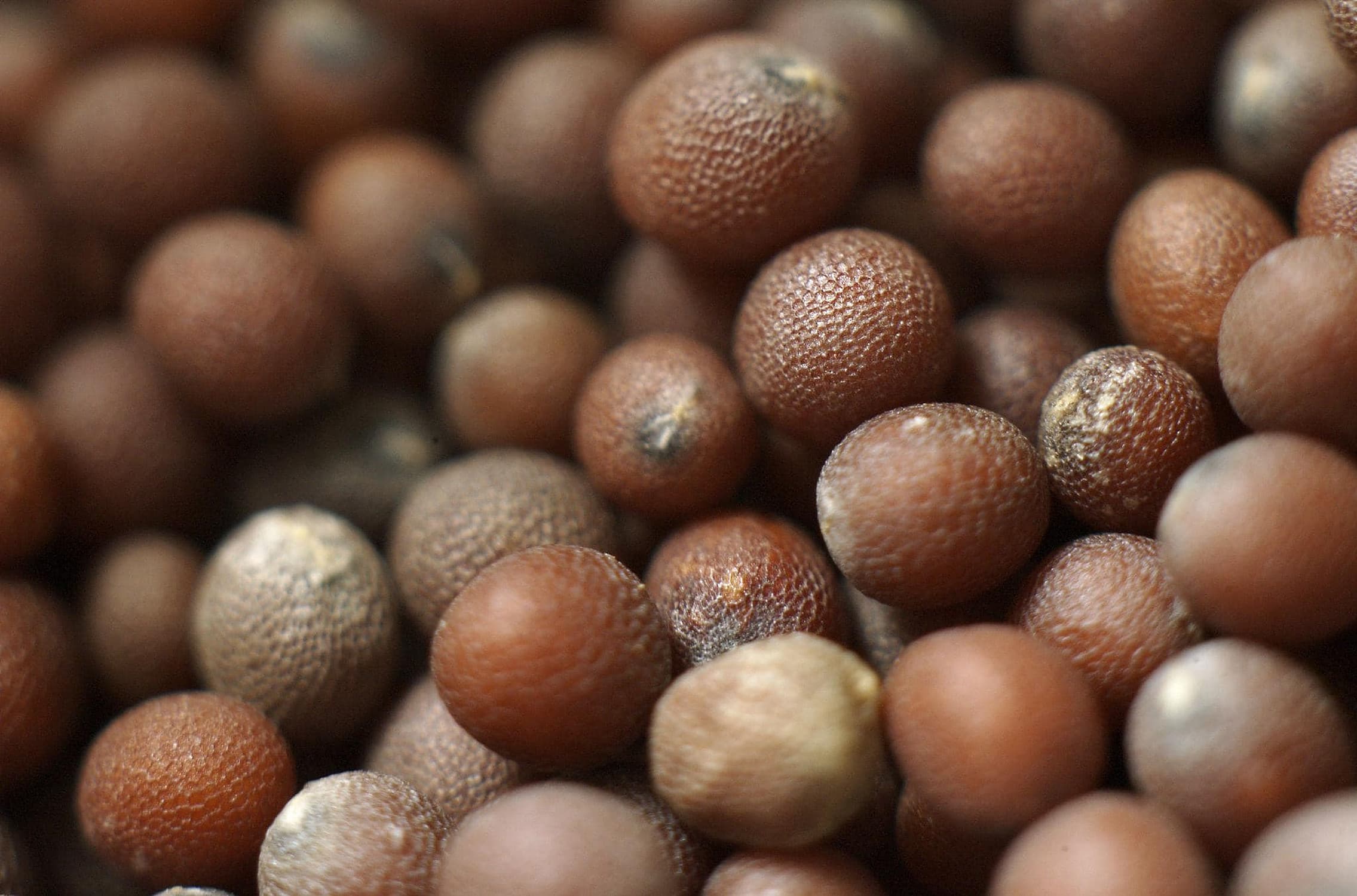
Herb growing guide
Brown or Indian mustard is India's main rabi oilseed and also a quick leafy green. It sprouts easily in cool soil; the real work is sowing at the right time and keeping aphids and white rust in check.
Use clean, healthy seed: white rust and Alternaria blight can start from infected seed and crop debris. The seed is small, so mix it with fine sand or soil for even sowing by hand.
Not needed. Mustard seed has a thin coat and takes up water quickly.
Not needed. Brown mustard has no cold requirement for germination.
Not needed. Sow into moist soil or irrigate straight after sowing, which is standard practice for the rabi crop.
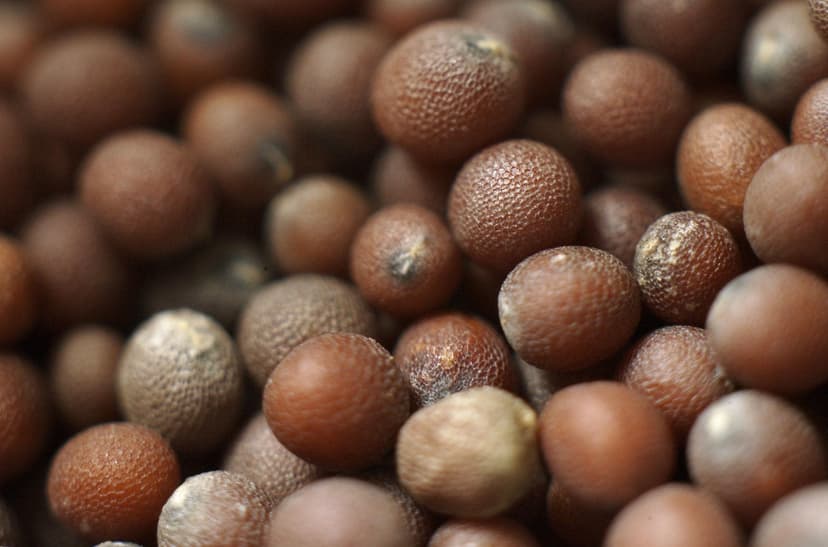
Seed germinates whenever soil is above about 7 °C (45 °F), so cold is rarely the problem. In the Indian plains the limit is heat and timing: in a two-year trial at Kanpur, sowing on 11 October gave the best growth and seed yield, while the earliest sowing (30 September) gave the lowest yield. In north and central India aim for the first half of October.
About 1.3 cm (1/2 in) into a firm, moist seedbed. Go a little deeper only if the top layer is dry; deep sowing in wet, crusted soil reduces emergence.
Well-drained loam or sandy loam. Mustard tolerates fairly poor soils but not waterlogging.
Sow into moist soil or give a light irrigation after sowing. The crop needs cool, dry weather with adequate soil moisture while growing, and dry, clear weather at maturity.
Light does not affect germination. Plants need full sun; shaded mustard grows thin and flowers poorly.
Seedlings usually emerge within a week in moist soil. Thin the oilseed crop at about 15-21 days after sowing.
Not needed. For an oilseed crop sow about 5 kg seed per hectare in rows 40-45 cm (16-18 in) apart and thin to 10-15 cm (4-6 in) between plants at 15-21 days. For leaf mustard (sarson ka saag) sow 1.3 cm deep and thin to 5-10 cm (2-4 in).
Leaf cultivars are ready 35-50 days from sowing; pick outer leaves or cut whole young plants. The oilseed crop forms a rosette, then bolts, flowers and fills pods; early sowing gives the longest seed-filling period.
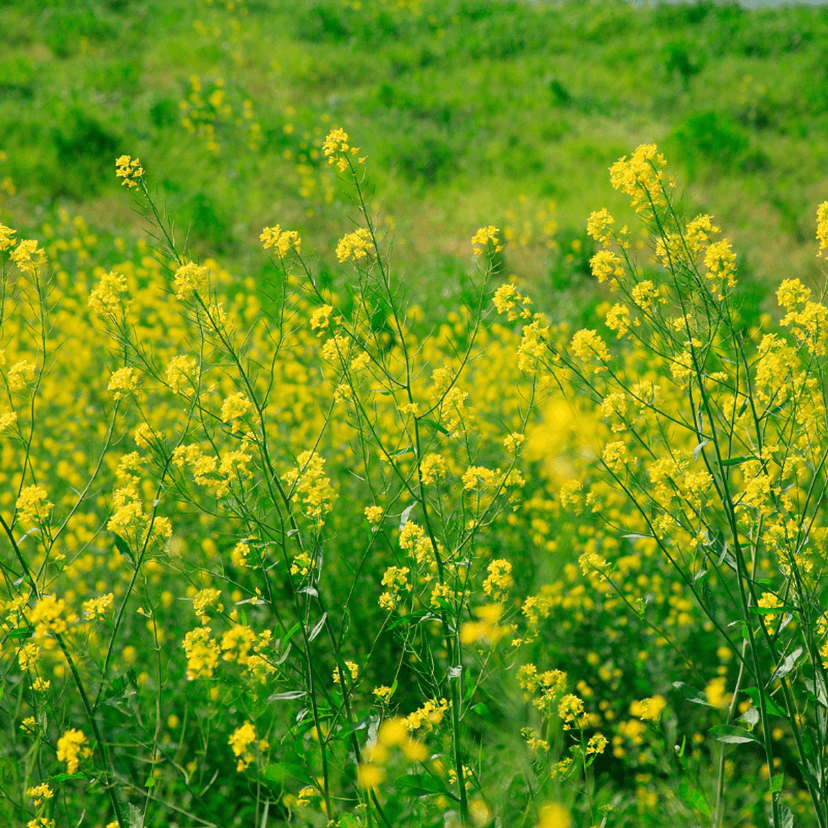
Cut the crop when pods turn yellowish brown but before they open, to limit shattering. Stack it for a few days, thresh, and dry the seed in the sun to about 8% moisture before storage.
Improved practice gives about 20-25 q/ha of mustard seed; in the Kanpur trial yields were about 1,900-2,100 kg/ha.
Flea beetles and cabbage caterpillars also attack mustard greens. Bacillus thuringiensis controls caterpillars without leaving chemical residue on leaves.
Do not follow mustard with other brassicas (cabbage, radish, cauliflower) on the same bed, to reduce carry-over of white rust and Alternaria.
Sow Deodar brown mustard seeds for sarson greens or a home-grown seed crop.
In north and central India, in the first half of October. Research at Kanpur found 11 October better than both late September and late October sowing. In hills, and abroad in temperate climates, sow in early spring or late summer for a leaf crop.
Rai and Indian mustard are Brassica juncea. Some sarson types (yellow and brown sarson) and toria are Brassica rapa, a different species, although they are grown in the same way.
Yes, a few young leaves can be picked from the rosette, but heavy picking reduces seed yield. For saag, sow a separate, denser leaf bed.