Free EMS courier delivery across India
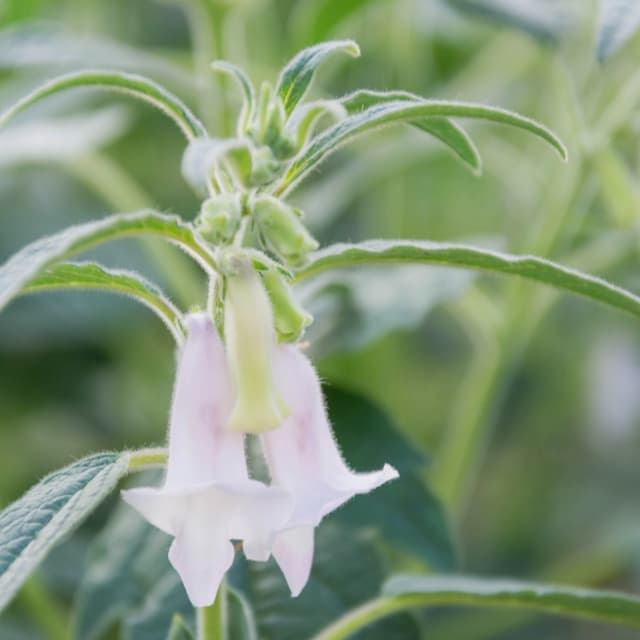
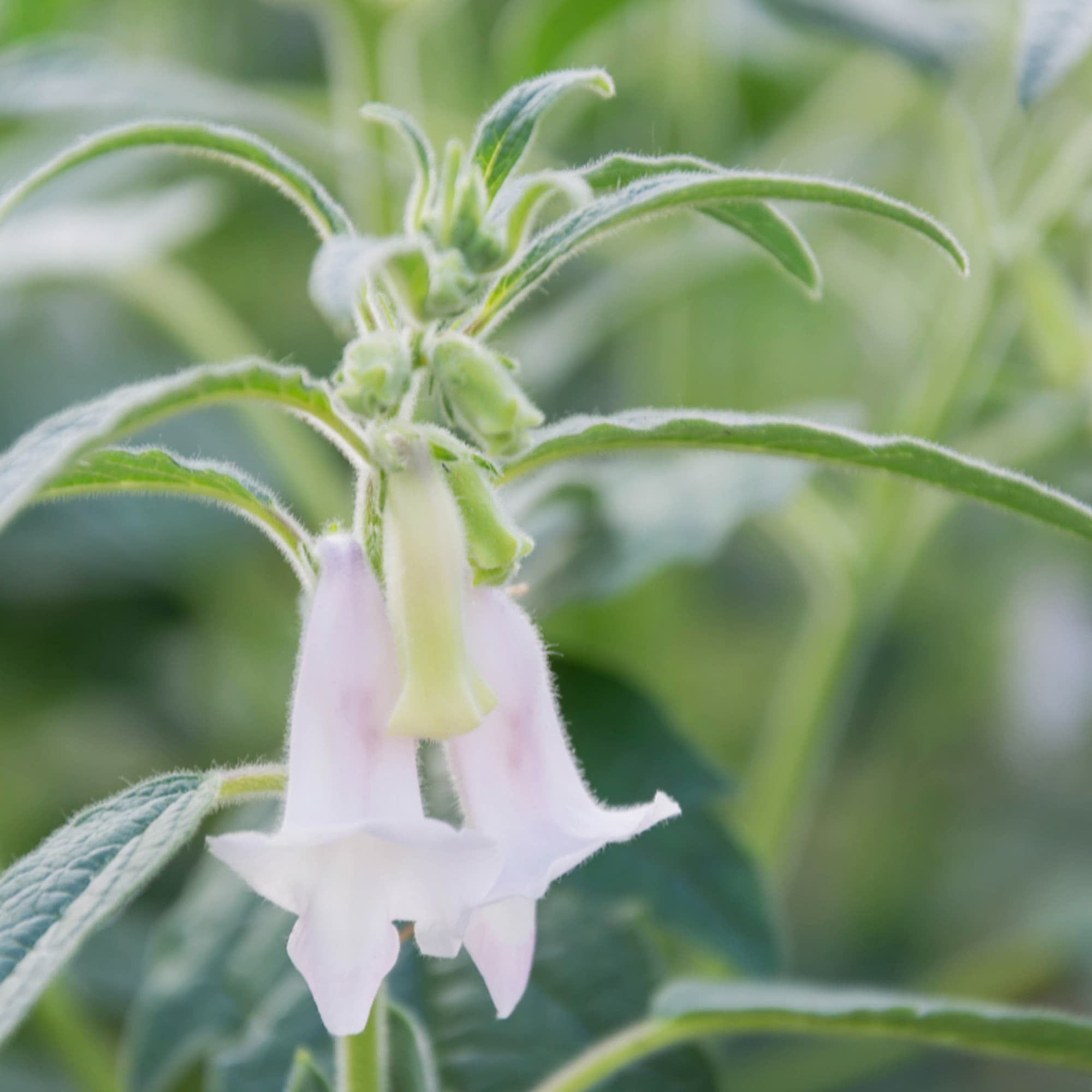
White sesame Seeds plant

Oilseed crop growing guide

How to grow sesame from seedSesamum indicum

Sesame is a heat-loving annual native to the Indian subcontinent, grown for its oil-rich seed and bell-shaped flowers. Sow it directly into warm, well-drained soil, keep it weeded early and harvest before the capsules split.

25-35 °C
Germination temp.
≈ 3-5 days
Germination
1.5-2.5 cm
Sowing depth
Full sun
Light

At a glance

Germination temperature
Warm soil, at least about 21 °C (70 °F); best growth at 25-35 °C (77-95 °F).
Sowing depth
1.5-2.5 cm (0.6-1 in); never deeper.
Germination time
About 3-5 days in warm, moist soil.
Light
Full sun.
Pre-treatment
None needed; mix seed with sand for even sowing.
Transplant or direct sow
Direct sow.

Seed preparation

Seed preparation

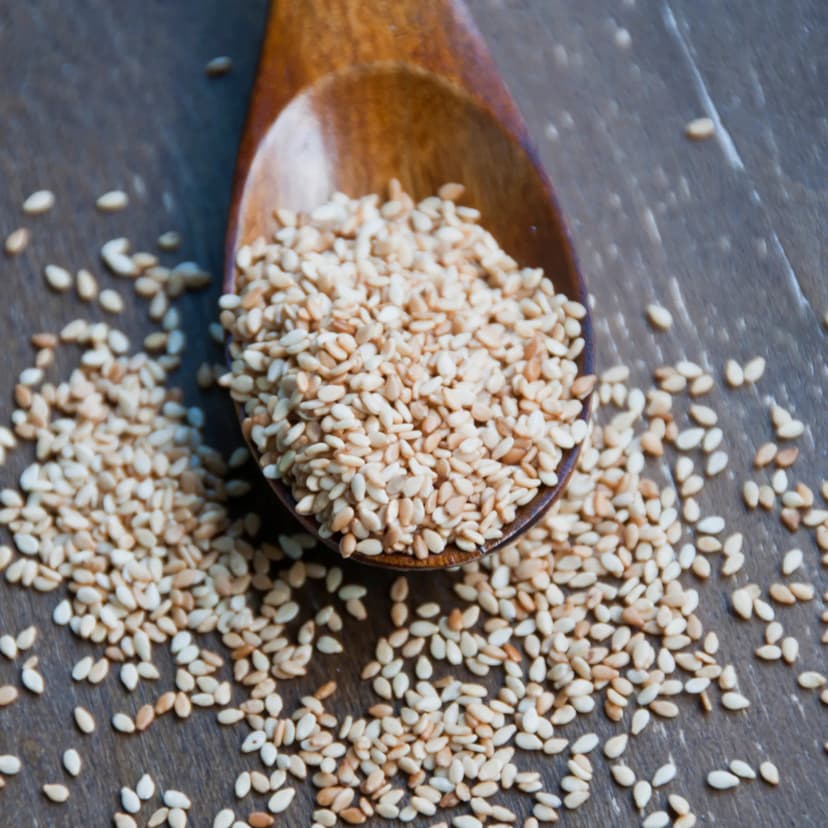
The seed is small. Mix it with dry sand, dry soil or sieved manure (ICAR-IIOR uses about 1 part seed to 20 parts filler) so it falls thinly and evenly. In Indian field practice seed is also treated with Trichoderma at 4 g per kg just before sowing against seed- and soil-borne diseases.
Scarification

Not needed. Sesame seed takes up water readily.

Stratification

Not needed. Sesame is a warm-season crop with no cold requirement.

Soaking

Not needed. Sow into moist soil instead; the seed needs about three days of moisture to germinate.

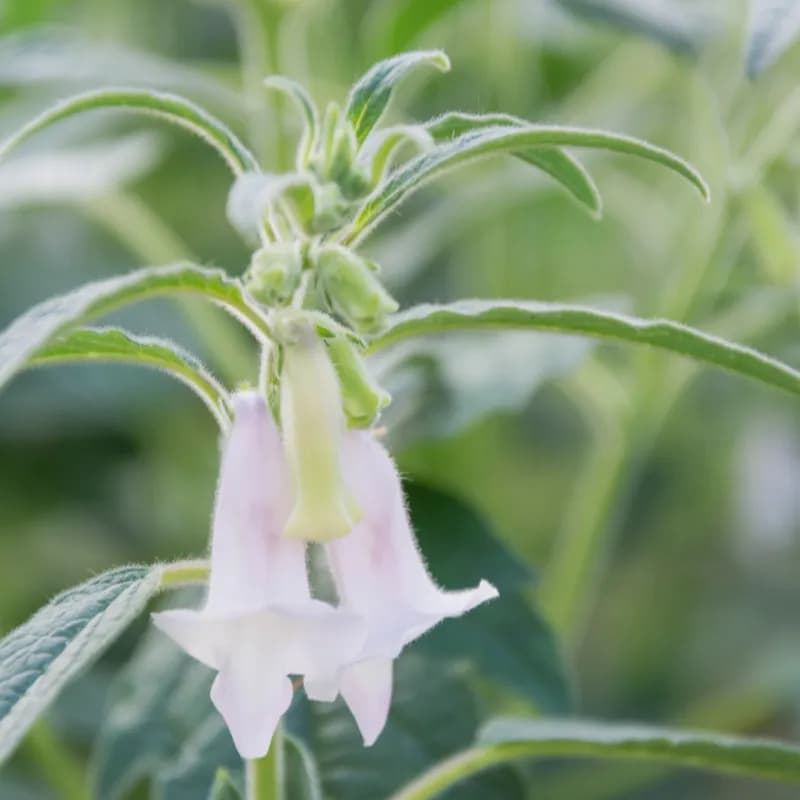
White sesame Seeds

Germination conditions

Germination temperature

Sow once the soil is about 21 °C (70 °F). The crop grows best at 25-35 °C (77-95 °F); below 15 °C (59 °F) or above 45 °C (113 °F) yield falls sharply, and hot winds above 40 °C (104 °F) lower oil content. In India ICAR-IIOR lists kharif sowing in June-July (about 70% of the area), late kharif in August-September, rabi in October-November, summer in January-March and semi-rabi in early to mid September in Gujarat, Madhya Pradesh and Maharashtra.

Sowing depth

About 1.5-2.5 cm (0.6-1 in), placing the seed just into moist soil. Deep sowing gives poor germination and a thin stand.

Growing medium

Light to medium, well-drained, fertile soil. Level the bed so no water stands anywhere.

Moisture

Sow into moist soil or water right after sowing; TNAU gives a light irrigation about 7 days later. Avoid waterlogging at every stage.

Light

Grow in an open, fully sunny position.

Germination time

Seedlings appear in about 3-5 days when soil is warm and moist; cold soil delays and thins emergence.

Transplanting and first growth

  1. Transplanting

    Not recommended. Sow sesame in rows where it will grow; ICAR-IIOR spacings range from 30 x 10-15 cm to 30 x 30 cm (12 x 4-6 in to 12 x 12 in), wider for branching varieties.

  2. Thinning

    TNAU thins to 15 cm (6 in) between plants at 15 days and to 30 cm (12 in) at 30 days on wide spacing, which encourages basal branches.

  3. First growth stage

    Growth is very slow for the first three to four weeks and seedlings compete poorly. Weed at 15-20 and again at 30-35 days after sowing.

White sesame Seeds

Common problems

ProblemSeedlings collapse or die in wet patches
Cause
Waterlogging, Phytophthora blight or stem and root rot.
What to do
Grow on level, well-drained ground, rotate with other crops for two years and remove diseased plants.
ProblemLeaves webbed together and capsules bored
Cause
Leaf webber and capsule borer (Antigastra catalaunalis).
What to do
Remove larvae from webbed leaves, intercrop with pulses or pearl millet and spray neem seed kernel extract (5%).
ProblemFlowers turn into green leafy shoots
Cause
Phyllody, a phytoplasma spread by leafhoppers.
What to do
Pull out affected plants early and, in kharif, sow about three weeks after the monsoon starts.
ProblemLeaf spots and white powder on leaves
Cause
Alternaria and Cercospora leaf spot, powdery mildew.
What to do
Sow early in the season, choose tolerant varieties and avoid crowding.
ProblemSeed lost before harvest
Cause
Capsules split when the crop is left to dry in the field.
What to do
Cut on time and dry the plants on a clean floor or sheet.

Practical growing tips

Water at the right stages

Kharif crops seldom need irrigation except in long dry spells. Summer and rabi crops are irrigated every 12-15 days. Flowering and capsule formation are the critical stages; stop watering near maturity, because late moisture delays ripening.

Choose a variety

Seed may be white, black, brown or red. Most recommended Indian varieties mature in about 80-90 days; the range is about 72-125 days.

Harvest on time

Cut or pull plants when leaves yellow and drop and the lowest capsules are lemon yellow. Stack the plants for about three days to cure, then dry them a little longer and shake or tap them over a sheet to release the seed.

Dry before storing

Sun-dry threshed seed for several days, stirring often, before storing it in a dry container.

Sesame seeds from Deodar

Sow sesame directly into warm, well-drained soil in full sun.

Frequently asked questions

When should I sow sesame in India?

Most sesame is a kharif crop sown in June-July with the monsoon. Rabi sowing in October-November and summer sowing in January-March are also used where irrigation is available.

Why did my sesame plants die after heavy rain?

Sesame cannot stand waterlogging; even a short period of standing water can kill it. Grow it on level, well-drained ground or raised beds.

How do I know when sesame is ready to harvest?

When the leaves turn yellow and start to drop and the bottom capsules are lemon yellow. Do not wait until the capsules are brown, or they will split and drop the seed.