Free EMS courier delivery across India
Satavar, Shatavari Seeds plant

Herb growing guide

How to grow shatavari from seedAsparagus racemosus

Shatavari is a spiny, climbing wild asparagus grown for its cluster of fleshy tuberous roots. Its hard black seed is slow and uneven to sprout, and the crop needs a support to climb and at least a year in the ground.

20 to 35 °C
Germination temp.
≈ 20-30 days
Germination

At a glance

Germination temperature
Tolerant: final germination was similar from 20 to 35 °C (68-95 °F); seedlings were most vigorous at 20 °C.
Sowing depth
Shallow; cover the seed with a thin layer of fine sand.
Germination time
Slow: about 20-30 days in nursery beds, and stragglers for up to about 90 days.
Light
Sun to light shade; tolerates low light between orchard trees.
Pre-treatment
Overnight water soak commonly advised; research found fresh seed needs none.
Transplant or direct sow
Raise in a nursery and transplant at about 45 days.

Seed preparation

Seed preparation

Freshness matters more than any treatment. In a Kerala Forest Research Institute study, fresh untreated seed reached 98.8% germination, but it took up to 90 days to finish. Sow seed as soon as possible after harvest and do not let it dry out completely in storage.
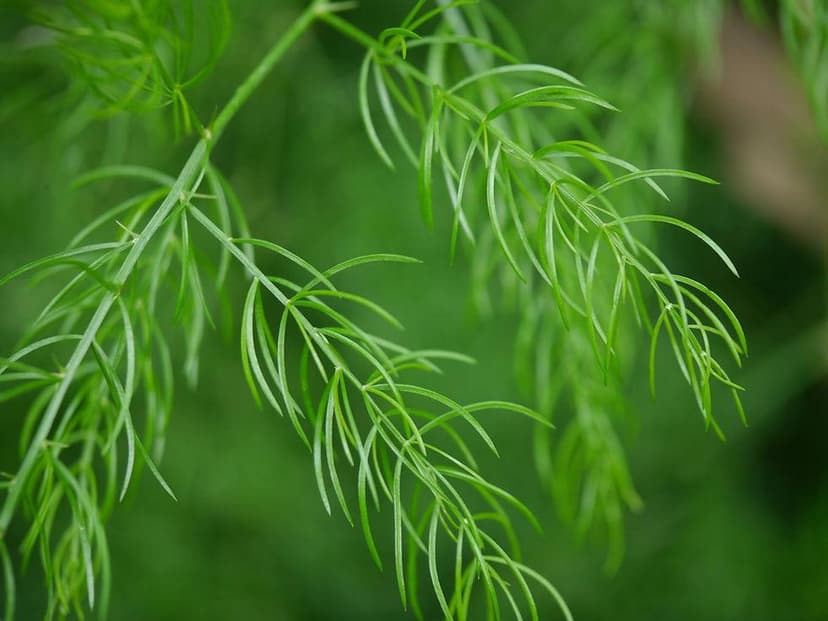
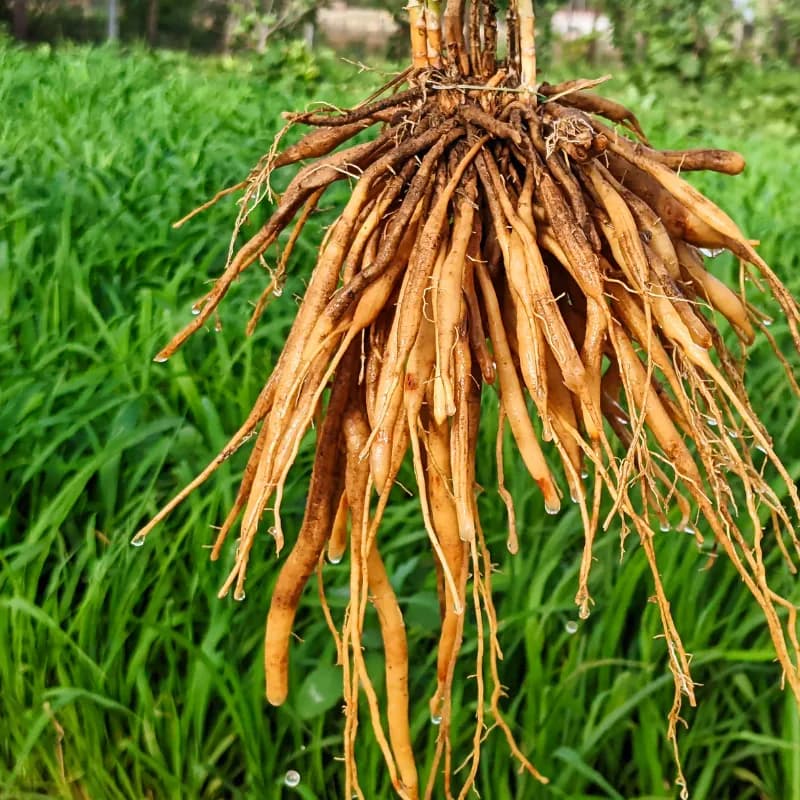
Scarification

Not needed. Acid scarification was tested and did not raise final germination.

Stratification

Not needed. Shatavari is sown at the start of the monsoon in warm soil.

Soaking

Sources differ. The National Medicinal Plants Board (NMPB) agro-technique advises presoaking in water to soften the hard seed coat (and gives a 24-hour cow-urine soak as a traditional option). The Kerala study found that none of eleven pre-treatments, including a 4-hour water soak, improved final germination, and soaking in boiled water damaged the seed. A plain room-temperature water soak overnight is harmless and makes the seed easier to handle; never use hot water.

Satavar, Shatavari Seeds

Germination conditions

Germination temperature

Shatavari is not fussy: in Pantnagar tests, final germination did not differ significantly between 20, 25, 30 and 35 °C (68-95 °F), while seedling vigour was highest at 20 °C (68 °F). In India, normal early-monsoon temperatures are suitable.

Sowing depth

Sow in lines about 5 cm (2 in) apart and cover with a thin layer of fine sand, so the slow seedlings do not have to push through a crust.

Growing medium

Use a nursery bed enriched with well-rotted farmyard manure or compost. For the main bed, choose well-drained, fertile sandy loam to clay loam with pH 6-8.

Moisture

Keep the bed evenly moist for the whole germination period, which can run for weeks. Avoid waterlogging: very wet soil causes root rot later.

Light

Bright light or light shade during germination; full or partial sun afterwards.

Germination time

In NMPB nursery practice, germination begins after about 20 days and is complete by about 30 days. Under test conditions a few seeds kept appearing for up to about 90 days, so do not discard a tray too early.

Transplanting and first growth

  1. Transplanting

    Seedlings are ready at about 45 days. Transplant at the onset of the monsoon (July in NMPB practice) onto ridges 45 cm (18 in) apart with plants 15 cm (6 in) apart; ridges are better than flat beds because they drain and let the roots swell. Water immediately after planting and again about 7 days later.

  2. First growth stage

    Provide stakes, a fence or shrubs for the vines to climb from the start. Weed and hoe about three times in the first two months; after that the foliage covers the ground and suppresses weeds.

  3. Growing in containers

    Use a large, deep pot with a free-draining mix and a trellis, because the tuberous roots spread wide and deep over more than a year.

Satavar, Shatavari Seeds

Common problems

ProblemNothing has come up after two weeks
Cause
Shatavari is naturally slow.
What to do
Keep the bed moist and wait; emergence usually starts around 20 days and can continue for weeks.
ProblemVery low germination
Cause
Old or dried-out seed, or seed damaged by hot-water soaking.
What to do
Sow fresh seed promptly and soak only in room-temperature water, if at all.
ProblemTubers rotting
Cause
Waterlogged or poorly drained soil.
What to do
Grow on ridges or raised beds, add drainage in the monsoon, and water less in winter.
ProblemVines sprawling and tangled
Cause
No support.
What to do
Stake or trellis early; the plant is a climber and grows best with something to hold.

Practical growing tips

Sow at the start of the rains

NMPB practice sows the nursery in the first week of June and plants out in July. Shatavari is a semi-arid to subtropical plant that grows without irrigation where 800-1200 mm of rain is well distributed.

Water through dry spells

Irrigate if a dry spell lasts more than 15 days, about every 30 days in winter, and 3-4 times between March and June.

Be patient with the harvest

Tubers can be lifted after 12 months, but a 20-month crop gives better yields. Dig in November-December when the top growth turns pale yellow.

Collecting your own seed

Seed is harvested from crops older than about 20 months. Sources differ on ripeness: NMPB collects seed in March-May when berries turn from red to black, while the Kerala study found seed from green, not-yet-coloured berries germinated better (97%) than seed from crimson berries (63%). Sow it fresh either way.

Shatavari seeds from Deodar

Sow shatavari at the start of the monsoon and give it a trellis to climb.

Frequently asked questions

How long do shatavari seeds take to germinate?

Usually 20-30 days in a nursery bed, and some seeds can take up to about 90 days. Keep the bed moist and be patient.

Should I soak shatavari seeds?

An overnight soak in room-temperature water is commonly advised to soften the hard coat, though research found fresh seed germinates just as well without it. Never use hot or boiling water.

Does shatavari need support?

Yes. It is a spiny climber; give it stakes, a fence or a trellis from the time you transplant.

When are the roots ready?

From about 12 months after planting, with better yields at around 20 months. Dig when the top growth turns pale yellow.