
Seed preparation
Stylo seed is often sold in its pod. Hard seed is common: in Australian commercial lots S. scabra had a median of 63% hard seed, and Tropical Forages reports 70-90% in freshly harvested seed.
Forage legume growing guide
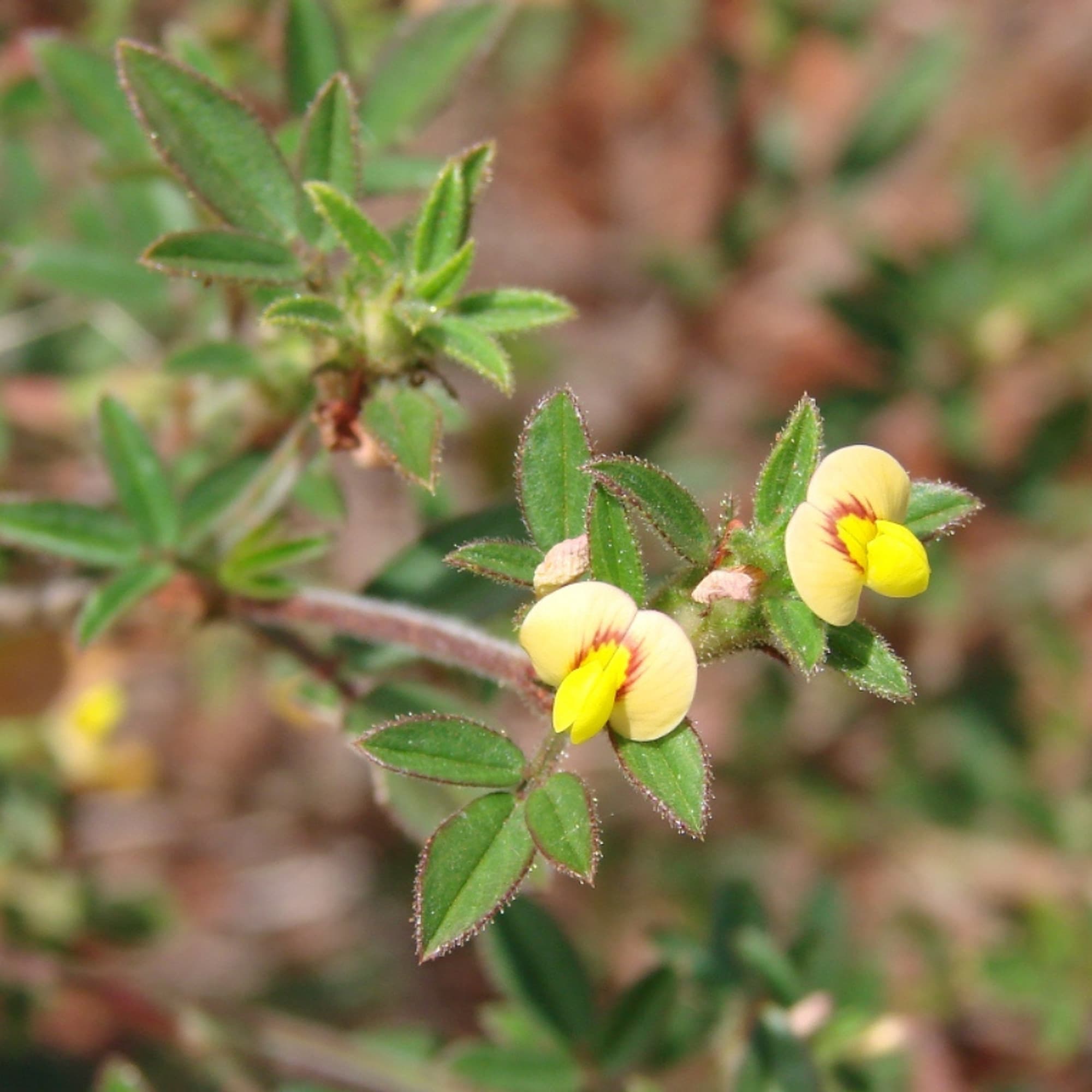
Shrubby stylo is a deep-rooted, drought-hardy tropical forage legume for poor, acid, sandy soils. Its hard seed needs scarifying, a very shallow sowing and protection from grass competition in the first season.
Stylo seed is often sold in its pod. Hard seed is common: in Australian commercial lots S. scabra had a median of 63% hard seed, and Tropical Forages reports 70-90% in freshly harvested seed.
Recommended. Mechanical abrasion is the safest method: commercial growers use a hammer mill, which dehulls and scarifies about half the seed. For small lots, rub the seed lightly between two sheets of fine sandpaper until the coat is dull. Avoid boiling water: a 1-minute dip broke hardness but killed many S. scabra seeds in two separate studies.
Not needed. Shrubby stylo is a tropical plant with no cold requirement.
Plain soaking does not soften the hard coat and is not a substitute for scarification. Never use boiling water.
In a seed-testing study published in the Madras Agricultural Journal, S. scabra germinated best at alternating 25-30 °C (77-86 °F). In the field, sow at the end of the dry season or early in the wet season, when soil is warm and rain is reliable.
0.6-1.3 cm (1/4-1/2 in). In a Queensland trial with related stylo species, emergence was highest from these depths and almost nil from 5 cm (2 in) or from seed left on the surface.
Infertile to moderately fertile, acid, free-draining sandy or sandy-surfaced soil. Avoid heavy clay. On very poor soil, Australian advice is 50-100 kg/ha of superphosphate at sowing.
Moist soil at sowing and through emergence. Established plants are very drought tolerant and survive temporary waterlogging, but not flooding.
No light needed under the thin soil cover; sow in open, sunny ground.
Scarified seed emerges far more evenly. Untreated seed comes up over a long period as hard coats slowly break down in hot surface soil.
Direct sowing suits this deep-rooted shrub best. Tropical Forages gives a seed rate of 1-2 kg/ha; Australian pasture advice is 2-4 kg/ha for a pure stand and 1-2 kg/ha in a grass mixture. Sow into a prepared or roughly cultivated seedbed. Inoculation is not essential, as the plant nodulates with native rhizobia.
Seedlings are slow for the whole first season but hardy. Keep grass competition down by weeding or light grazing, and do not graze heavily once the plants start to flower in the first year, so they set seed and thicken the stand.
Mainly used where annual rainfall is 600-900 mm, and up to 2,000 mm. It is cultivated and naturalised in India, where it is known as muyal masal (Tamil) and nilaththuvara (Malayalam).
It tolerates heavy grazing once established. Avoid heavy grazing early in the season in later years, because animals pick the grass first and the stand can become stylo-dominated.
Allow some seed to fall each year; hard seed builds a soil seed bank that keeps the stand going.
Sow scarified shrubby stylo seed at the start of the rains for a hardy forage legume on poor soils.
It is strongly recommended. Most fresh seed is hard and will not take up water. Rub it lightly with fine sandpaper; avoid hot or boiling water, which kills many seeds of this species.
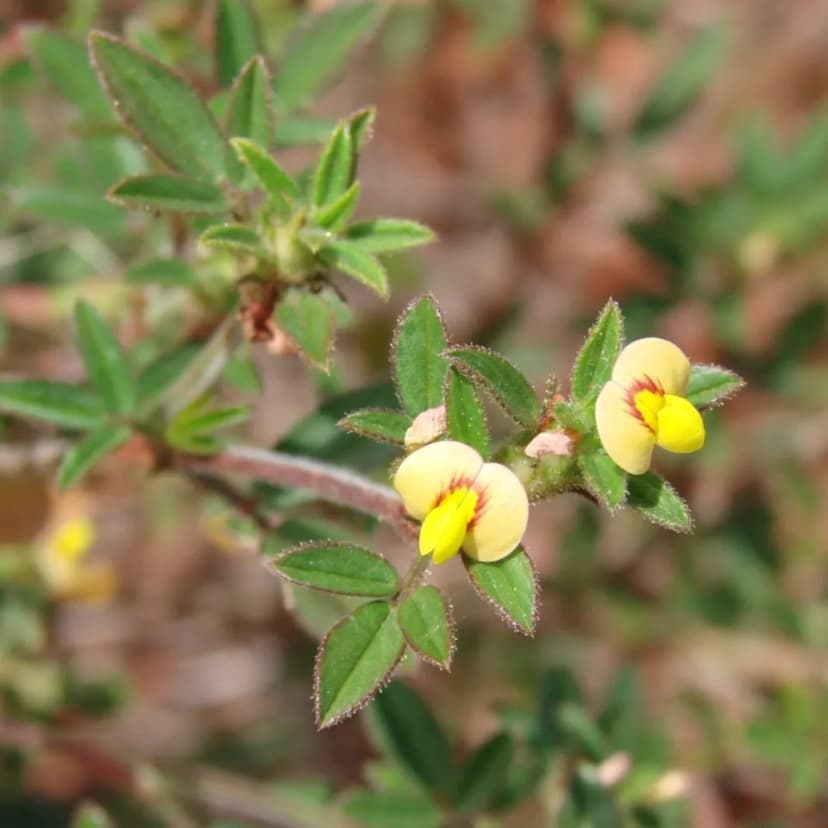
No. It is a forage legume with small yellow flowers, grown for livestock feed and ground cover on poor soils.
Very little. It fixes nitrogen with soil rhizobia. On very infertile soil, apply phosphorus once at sowing.
