
Seed preparation
Nothing beyond sowing thinly. The seed is so small that it is easier to spread evenly if you mix it with a pinch of dry fine sand first.
Herb growing guide
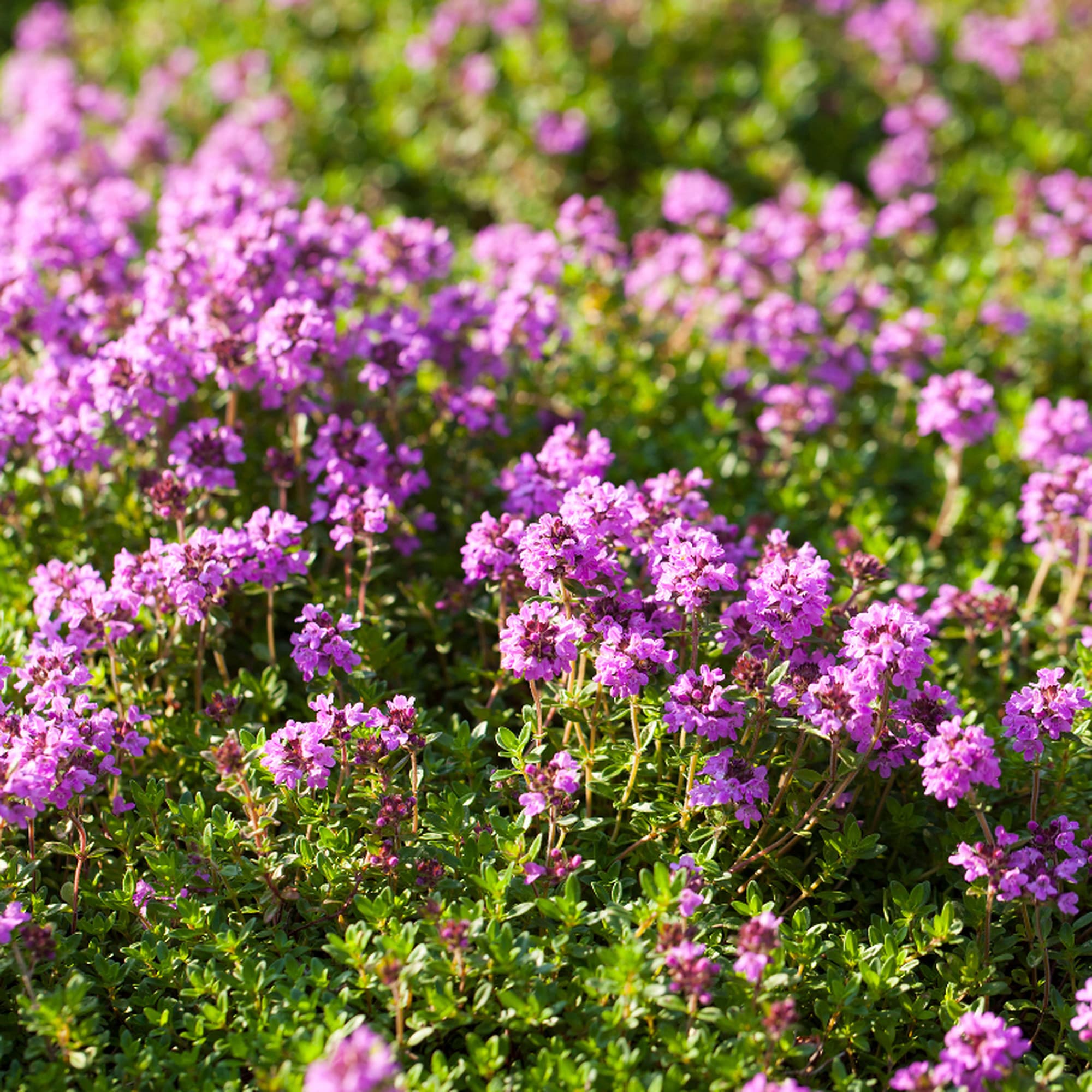
Thyme seed is dust-fine and is sown on the surface of a free-draining mix, where it germinates in one to three weeks at 15-21 °C. The seedlings stay tiny for weeks, so the main skill is patience with the watering can: more thyme is lost to wet roots than to cold.
Nothing beyond sowing thinly. The seed is so small that it is easier to spread evenly if you mix it with a pinch of dry fine sand first.
Not needed. The seed coat does not block water uptake.
Not needed. Thyme germinates as soon as it is warm and moist.
Not needed. Wet seed sticks together and cannot be sown thinly.
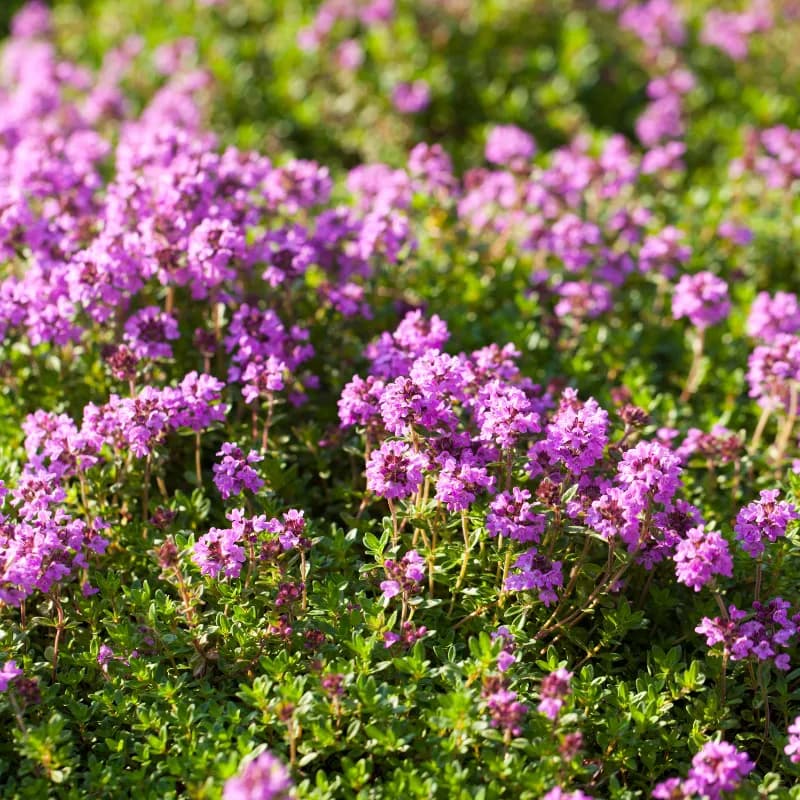
The RHS gives 15-20 °C (59-68 °F) and Ohio State University 18-21 °C (64-70 °F). In temperate climates start seed indoors in spring, 8-10 weeks before the last frost.
Scatter the seed on the surface of moist compost and press it in. The RHS leaves it uncovered; if the tray dries out fast, add no more than a dusting of fine mix.
Fine, free-draining seed compost in small pots or modules. Firm it lightly and water it before sowing, so the seed is not washed into one corner.
Barely moist. Water from below or with a fine mist; the RHS warns that thyme seedlings are prone to damping off when overwatered.
Keep the tray in a warm, bright spot out of strong direct sun until the seedlings appear.
OMAFRA gives 8-10 days and Ohio State 14-21 days. TNAU notes that the seedlings are very small and stay inconspicuous for several weeks after germination.
When seedlings have about four true leaves, move small clumps into 7.5 cm (3 in) pots of soil-based compost. In temperate climates plant out from mid-spring to early summer after hardening off; OMAFRA waits until the soil is above 10 °C (50 °F).
In a garden bed, 20-30 cm (8-12 in) apart (RHS). TNAU uses 30-45 cm within rows 60 cm apart for a field crop in India.
Grow in full sun in light, well-drained soil; OMAFRA gives pH 5.0-7.5 and TNAU prefers light, calcareous soil. Water new plants until they root in, then only in long dry spells. Indoors, pinch the tips so plants do not get leggy.
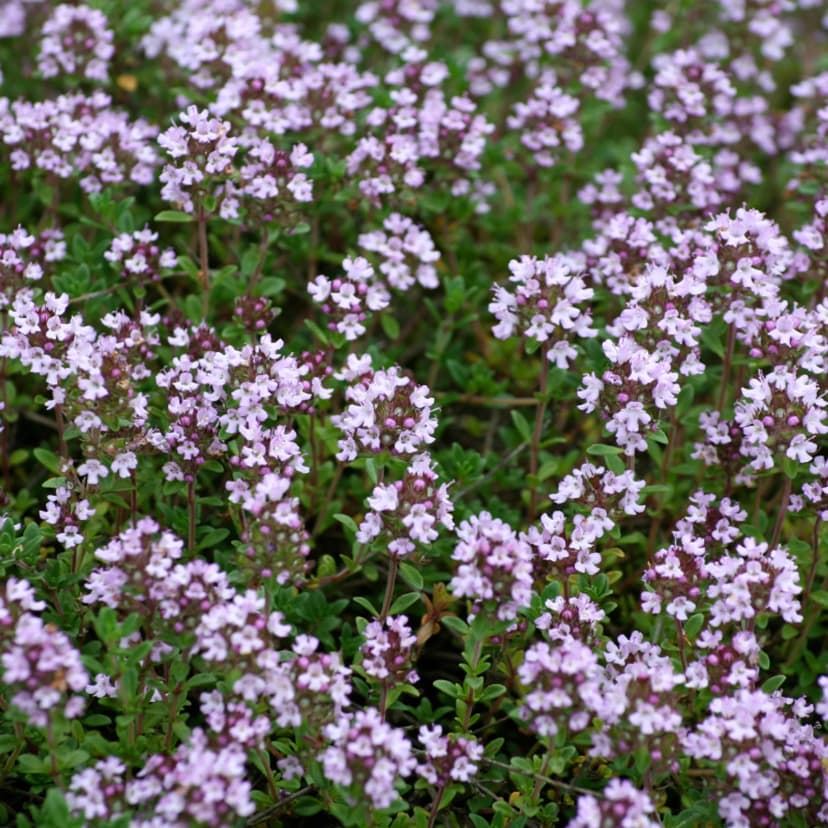
The Spices Board lists thyme as cultivated in the western temperate Himalaya and the Nilgiris. TNAU says it grows on the hills and plains but does best in the hills: sow in the nursery in April, transplant in late summer and mulch against winter frost.
Grow thyme in pots of gritty mix that you can move into a rain shadow during heavy rain, since roots rot in persistently wet soil.
OMAFRA gives about 105 days to harvest and one cut in the first year; TNAU harvests about five months after sowing. Take only a few sprigs in year one and cut harder from the second year, just before flowering.
Trim shrubby thyme lightly in late spring and after flowering. Regular picking of soft shoots keeps plants bushy.
Hang sprigs in a warm, dark, airy place for a few weeks, then store the leaves in an airtight jar.
Surface-sow common thyme in a free-draining mix and grow a hardy, aromatic kitchen herb for years.
They may have, but the seedlings are tiny and stay hard to see for weeks. If the tray was kept at 15-21 °C, check closely under good light before re-sowing. Seed buried too deep or a cold, waterlogged tray are the usual real failures.
Yes, but it does best in the hills, according to TNAU. On the plains grow it in pots of gritty mix in full sun and keep it out of standing water during the monsoon.
OMAFRA gives about 105 days to the first harvest and TNAU about five months. Pick lightly in the first year so the plant can establish, then cut more from the second year.
Shrubby thyme becomes woody and straggly after 3-4 years. Ohio State and TNAU both advise replacing or replanting it at that point.
