Free EMS courier delivery across India
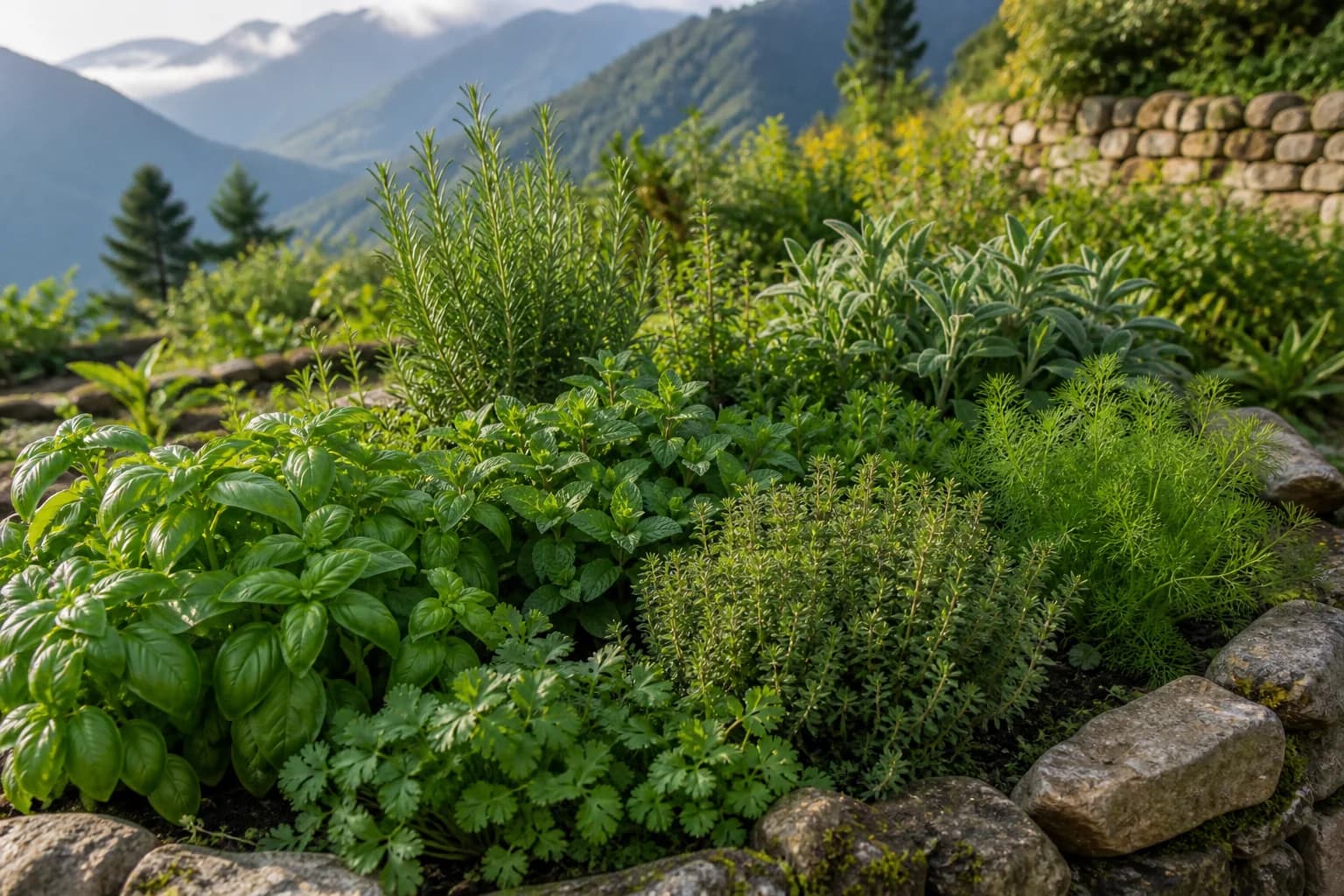
Basil, mint, rosemary, thyme, sage, coriander and dill in a terraced herb garden

Herb growing guide

How to grow stinging nettle from seedUrtica dioica

Stinging nettle is a hardy perennial that spreads by creeping rhizomes and thrives in rich, moist soil. Its tiny seed needs light and often a period of dormancy-breaking, so sow it on the surface and expect patchy germination.

20 °C
Germination temp.
≈ 5-10 days
Germination

At a glance

Germination temperature
Alternating 20 °C day / 15 °C night (68/59 °F); 25/15 °C (77/59 °F) also works.
Sowing depth
Surface sow and press in; do not cover.
Germination time
About 5-10 days once dormancy is broken; untreated seed can be slow and patchy.
Light
Needed for germination. Plants grow in sun, part shade or shade.
Pre-treatment
Dry after-ripening for about 3 months, or 8 weeks cold-moist, or sow outdoors in late autumn.
Transplant or direct sow
Both. Raise plugs and plant out in late spring, or sow direct in late autumn.

Seed preparation

Seed preparation

Nettle seed has physiological dormancy. Seed stored dry for about three months after harvest (after-ripened) germinates better. Stored dry and cold, the seed keeps well; it stayed viable after eight years in sealed storage at -18 °C (0 °F).

Scarification

Not needed. Dormancy sits in the embryo, not in a hard seed coat.

Stratification

Helpful. After dry storage, a short spell of warm, moist conditions before germinating temperatures is the standard nursery method. For stubborn seed, keep it on moist paper or sand in the fridge at about 6 °C (43 °F) for 56 days, then move it to warmth and light. Autumn sowing outdoors does the same job naturally.

Soaking

Not needed. Moist stratification already hydrates the seed, and soaked seed is hard to sow thinly.

Germination conditions

Germination temperature

Germination is best with alternating temperatures of about 20 °C by day and 15 °C at night (68/59 °F); 25/15 °C (77/59 °F) also works. In India, sow in the cool season on the plains; nettle grows naturally in the Himalayas.

Sowing depth

Scatter the seed on the surface and press it in with a flat board. Do not cover it, because the seed needs light.

Growing medium

A fine, moist seed compost in trays. For planting out, nettle wants loose soil rich in organic matter (K-State trials used soil with about 4-5% organic matter) and responds strongly to nitrogen and phosphate.

Moisture

Keep the surface constantly moist; mist or water from below so the seed is not buried. A clear cover over the tray helps until seedlings appear.

Light

Keep trays in bright light without hot direct sun. Seed left in the dark stays dormant.

Germination time

About 5-10 days for seed that is ready to germinate; dormant seed in a batch may follow over several weeks. K-State reports about 50% germination even after stratification, so sow generously.

Transplanting and first growth

  1. Pricking out

    Wearing gloves, move seedlings into individual cells or pots at the 2-3 true-leaf stage and grow them on in rich compost with regular feeding.

  2. Planting out

    Plant out in late spring after frost, at least 30 cm (12 in) apart; K-State field trials used 30 x 90 cm (1 x 3 ft). Water through the first summer unless the site is naturally moist.

  3. First growth stage

    Seedlings start spreading by rhizomes in their first season and form large clumps by the second and third year. Light harvests are possible in the first year.

Common problems

ProblemNothing comes up
Cause
Seed covered with soil, or dormant fresh seed.
What to do
Surface sow in light, use after-ripened seed, or give 56 days cold-moist treatment before sowing.
ProblemPatchy germination
Cause
Normal for nettle; around half of stratified seed germinates.
What to do
Sow thickly and thin or prick out the surplus.
ProblemNettles spreading into the garden
Cause
Creeping rhizomes; one rhizome can spread about 2.5 m (8 ft) within a year.
What to do
Grow in a bed with a buried barrier, a large container or a wild corner, and dig out stray shoots.
ProblemTough, stringy tops
Cause
Harvesting after flowering.
What to do
Cut tops before flowering and cut back hard to get a flush of fresh growth.
ProblemCaterpillars on the leaves
Cause
Caterpillars that feed on nettle leaves.
What to do
Usually none needed; plants outgrow the damage.

Practical growing tips

Wear gloves

Hairs on the leaves and stems inject an irritant into the skin. Wear gloves and long sleeves for sowing, transplanting and harvesting. Drying or cooking removes the sting.

Rich, moist site

Nettle grows biggest in moist, fertile soil in sun or part shade. Work in compost or manure before planting; yields were higher with irrigation in K-State trials.

Harvest

Cut the tops with scissors or shears several times a season once plants are established, ideally before flowering. Roots are lifted in autumn.

Easy division

Established clumps can be divided in early spring to make new plants without sowing again.

Stinging nettle seeds from Deodar

Sow nettle seed on the surface in light and cool, alternating temperatures for a hardy perennial patch.

Browse seeds

Frequently asked questions

Should I cover nettle seeds with soil?

No. Nettle seed needs light to germinate, so press it onto the surface and keep it moist.

Why is only part of my nettle seed germinating?

Nettle seed is dormant to varying degrees. Even after stratification about half may germinate, and the rest can follow over several weeks. Sow thickly and be patient.

Will stinging nettle take over my garden?

It can. It spreads by rhizomes and seeds freely, so grow it in a contained bed or large pot and cut it before the seed ripens.