Free EMS courier delivery across India
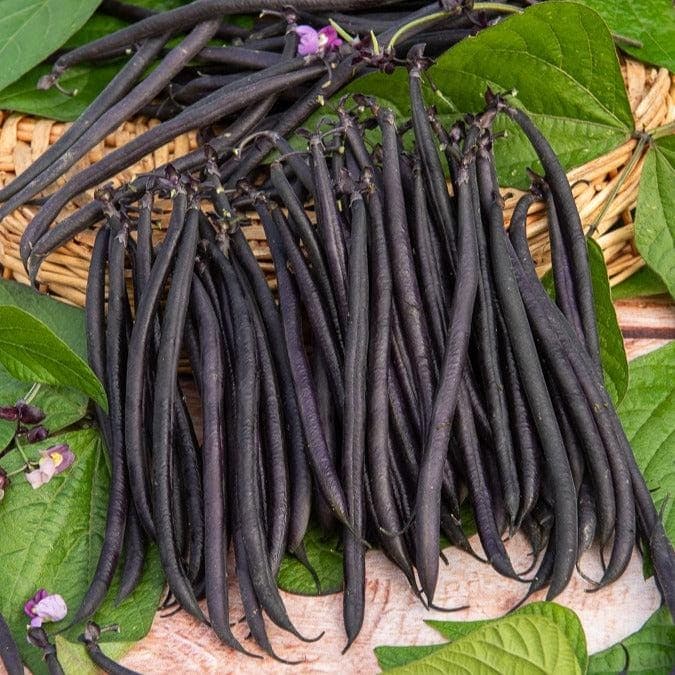
Anupama french black beans Seeds plant

Vegetable growing guide

How to grow beans from seedPhaseolus vulgaris

Common beans, bush or pole, are quick, warm-season legumes. Sow them into warm, well-drained soil, give climbing types tall supports and pick pods often for a long harvest.

16 °C
Germination temp.
≈ 16 days
Germination
2.5-5 cm
Sowing depth

At a glance

Germination temperature
Soil at least 16 °C (60 °F); optimum about 27 °C (80 °F); maximum 35 °C (95 °F).
Sowing depth
2.5-5 cm (1-2 in).
Germination time
About 16 days at 15 °C, 8 days at 25 °C and 6 days at 30 °C.
Light
Seed is covered; grow in full sun.
Pre-treatment
None needed; inoculate with Rhizobium where beans have not been grown before.
Transplant or direct sow
Usually direct sown; can be started in pots and planted out.

Seed preparation

Seed preparation

Choose bush (dwarf) types for small plots and quick crops, pole (climbing) types for a longer harvest from less ground. Where beans are grown for the first time, TNAU recommends treating seed with Rhizobium culture so the roots can fix nitrogen.

Scarification

Not needed. Bean seed takes up water easily.

Stratification

Not needed. Beans are frost-tender annuals and need warmth, not cold, to germinate.

Soaking

Not needed. Sow dry seed into soil that is moist but not waterlogged, and water after sowing.

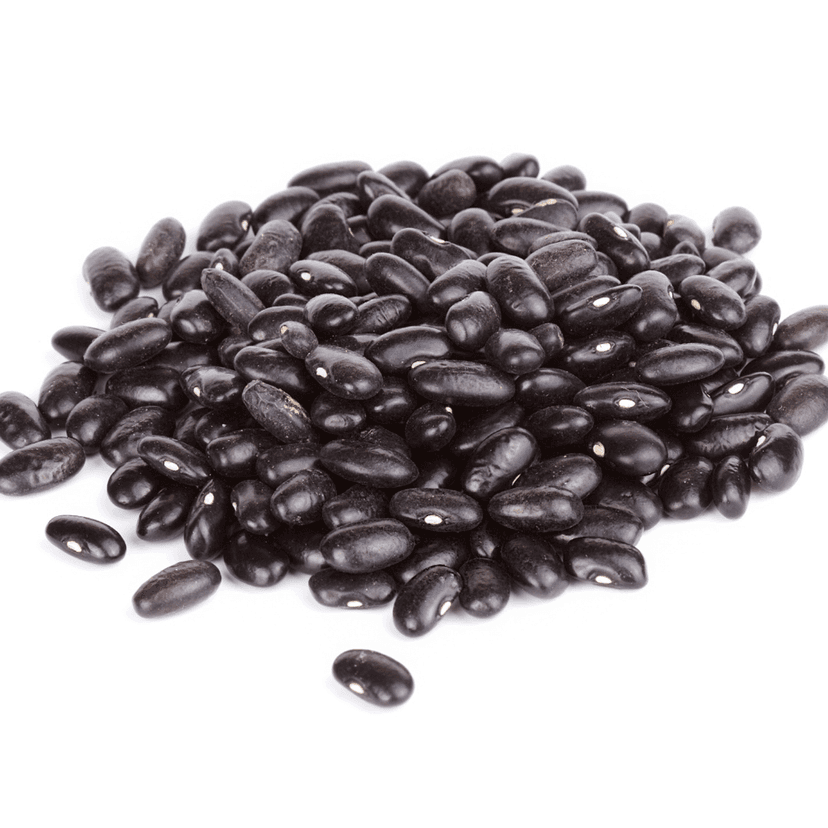
Anupama french black beans Seeds

Germination conditions

Germination temperature

Beans need a soil temperature of at least 16 °C (60 °F). The good range is 16-29 °C (60-85 °F), the optimum about 27 °C (80 °F) and the upper limit 35 °C (95 °F). In cool soil seed sits and rots; in temperate climates wait until frost risk has passed, and warm the bed under fleece or cloches for a few weeks first.

Sowing depth

2.5-5 cm (1-2 in): about 2.5 cm in heavy, moist soil and up to 5 cm in light, dry soil.

Growing medium

Well-drained, fertile loam. TNAU gives pH 5.5-6.0 and works in well-rotted manure before sowing. Avoid wet, heavy ground where seed rots.

Moisture

Moist but not soggy until seedlings emerge. Once plants flower and set pods, water regularly in dry spells.

Light

No light is needed for germination. Grow in an open, sunny position.

Germination time

About 16 days at 15 °C (59 °F), 11 days at 20 °C (68 °F), 8 days at 25 °C (77 °F) and 6 days at 30 °C (86 °F).

Transplanting and first growth

  1. Direct sowing and spacing

    Bush beans: about 15 cm (6 in) apart in blocks or double rows. TNAU sows two seeds per hill at 30 x 15 cm in the hills and 45 x 30 cm on the plains. Pole beans: 20 cm (8 in) apart in double rows 30 cm (12 in) apart, with 1.5 m (5 ft) between row pairs, or one or two seeds at the base of each cane, thinned to the strongest.

  2. Transplanting

    For an early crop sow single seeds 5 cm deep in pots, harden the seedlings off and plant out at about 8 cm (3 in) tall once frost risk has passed. Handle the roots gently.

  3. First growth stage

    Weed at about 20-25 and 40-45 days after sowing and draw soil up around the stems. Put up supports for pole beans by 20 days: canes or poles about 2.5 m (8 ft) tall. Twiggy sticks keep bush-bean pods off the soil.

Anupama french black beans Seeds

Common problems

ProblemSeeds rot or seedlings are holed below ground
Cause
Cold, wet soil, or bean seed fly (seedcorn maggot) larvae feeding on germinating seed.
What to do
Sow only into warm, well-drained soil and re-sow gaps.
ProblemSeedlings eaten overnight
Cause
Slugs and snails.
What to do
Protect young plants, or raise them in pots and plant out when sturdier.
ProblemBlack or green insects on shoot tips
Cause
Aphids (blackfly), which also spread bean mosaic virus.
What to do
Rub off or spray early colonies; remove plants with mottled, distorted leaves.
ProblemRust, powdery mildew or dark sunken spots on pods
Cause
Rust, powdery mildew or anthracnose.
What to do
Rotate crops, keep air moving and pick only when foliage is dry. TNAU uses wettable sulphur against powdery mildew and rust, and mancozeb against anthracnose.
ProblemFlowers drop and few pods set
Cause
Temperatures above 32 °C (90 °F) or below 10 °C (50 °F), or drought at flowering.
What to do
Sow so flowering falls in mild weather and water steadily once flowers appear.

Practical growing tips

Choose the right type

TNAU lists bush varieties Arka Komal and Premier for the plains and YCD 1 and Ooty 2 for the hills, and pole types such as Ooty 1 and KKL-I. Sow small batches of bush beans every few weeks for a continuous supply.

Feed before sowing

Work well-rotted manure into the bed. TNAU adds nitrogen and phosphorus at sowing and, for pole beans, a balanced top dressing at 20 days; zinc and boron help on deficient soils.

Pick often

Bush beans start giving green pods about 50 days after sowing, pole beans after 60-75 days. Pick pods young and regularly, typically at 15-20 cm (6-8 in) for French types, so the plants keep flowering.

Dry beans

For kidney and other dry beans, leave pods on the plant until they are dry and rattle, then shell and dry the seed fully before storing it cool and dry.

Other beans

Fava, lima, adzuki, lablab and yardlong beans are different species with their own guides; this guide covers common bean (Phaseolus vulgaris) only.

Bean seeds from Deodar

Sow bush or pole beans into warm soil for a fast, generous crop of pods.

Frequently asked questions

Why did my bean seeds not come up?

Usually the soil was too cold or too wet and the seed rotted. Beans need at least 16 °C (60 °F) in the soil; at 25 °C they emerge in about eight days.

What is the difference between bush and pole beans?

Bush beans need no tall supports and start cropping sooner, from about 50 days after sowing according to TNAU. Pole beans climb supports up to about 2.5 m and crop for longer from the same ground.

When should I sow beans in India?

TNAU recommends October-November on the plains and February-March in the hills for bush beans; pole beans in February-March or July-August.