Free EMS courier delivery across India
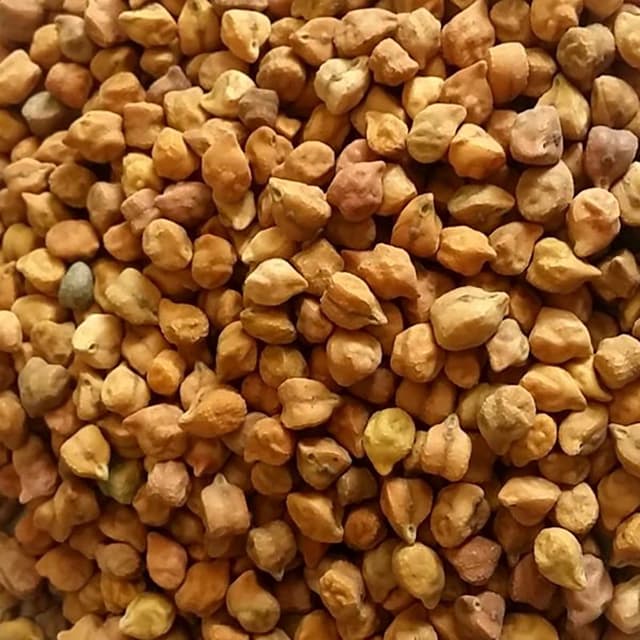
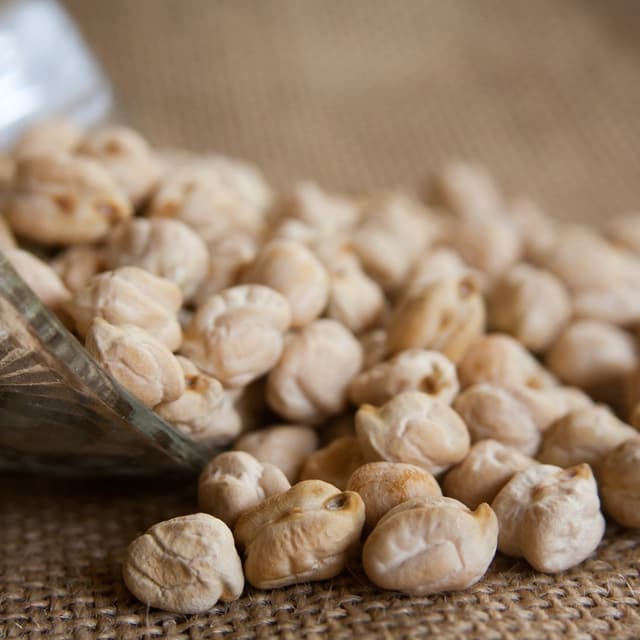
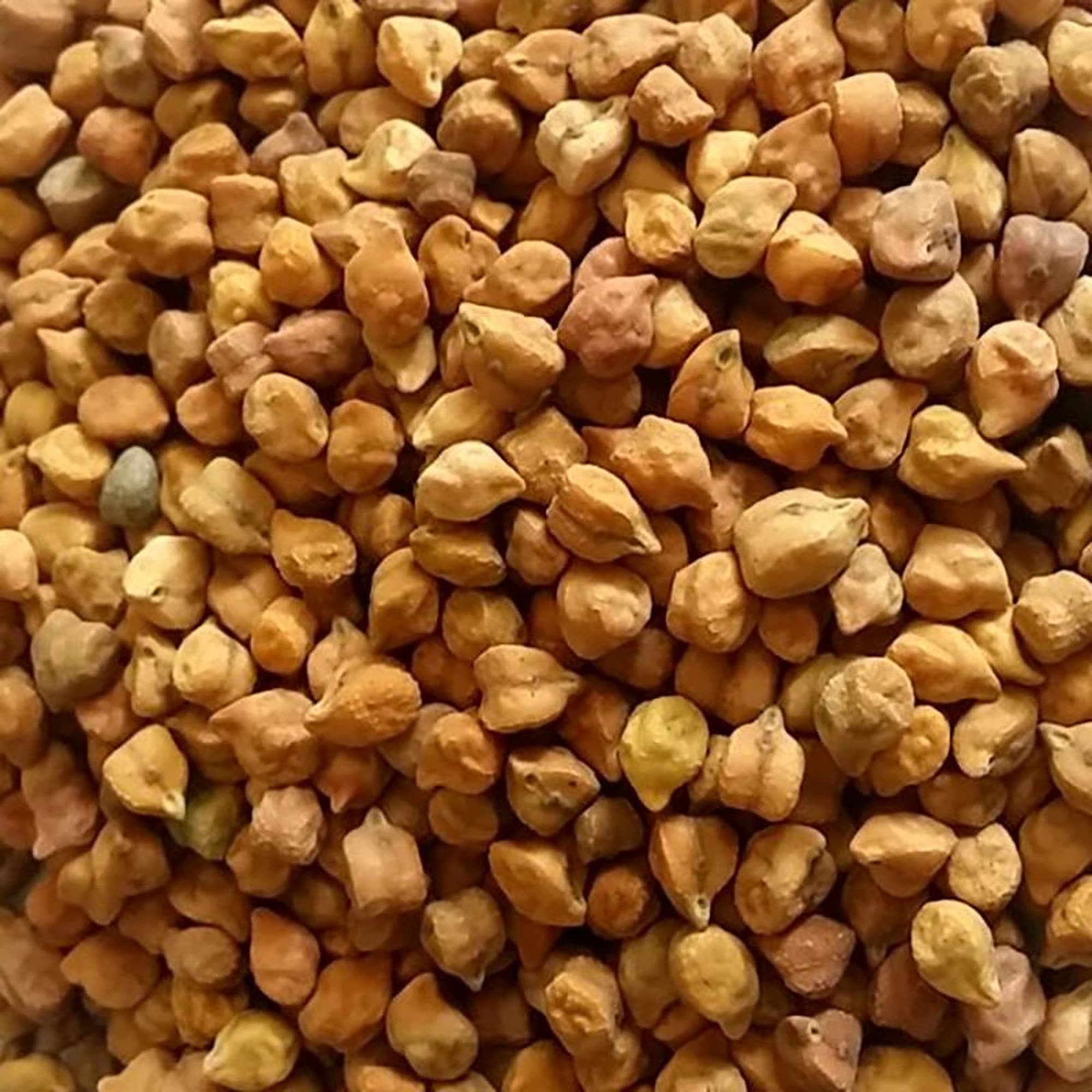
Chickpeas brown Seeds plant

Pulse growing guide

How to grow chickpea from seedCicer arietinum

Chickpea is a cool-season, drought-tolerant pulse sown directly into moist soil after the rains. Inoculate the seed, sow it deep enough to reach moisture and keep the crop on the dry side.

28-33 °C
Germination temp.
≈ 5-6 days
Germination
5-8 cm
Sowing depth
Full sun
Light

At a glance

Germination temperature
Optimum 28-33 °C (82-91 °F); grown as a cool-season crop.
Sowing depth
5-8 cm (2-3 in) in moist soil.
Germination time
About 5-6 days at optimum temperature.
Light
Full sun.
Pre-treatment
Rhizobium inoculation; seed treatment against soil-borne disease.
Transplant or direct sow
Direct sow.

Seed preparation

Seed preparation

Use healthy, disease-free seed: wilt and Ascochyta blight are both carried on seed. TNAU treats seed 24 hours before sowing with a fungicide or with Trichoderma viride (4 g per kg), then coats it with Rhizobium. Biological agents go on before the Rhizobium, and fungicides are not combined with biological agents.
Inoculation

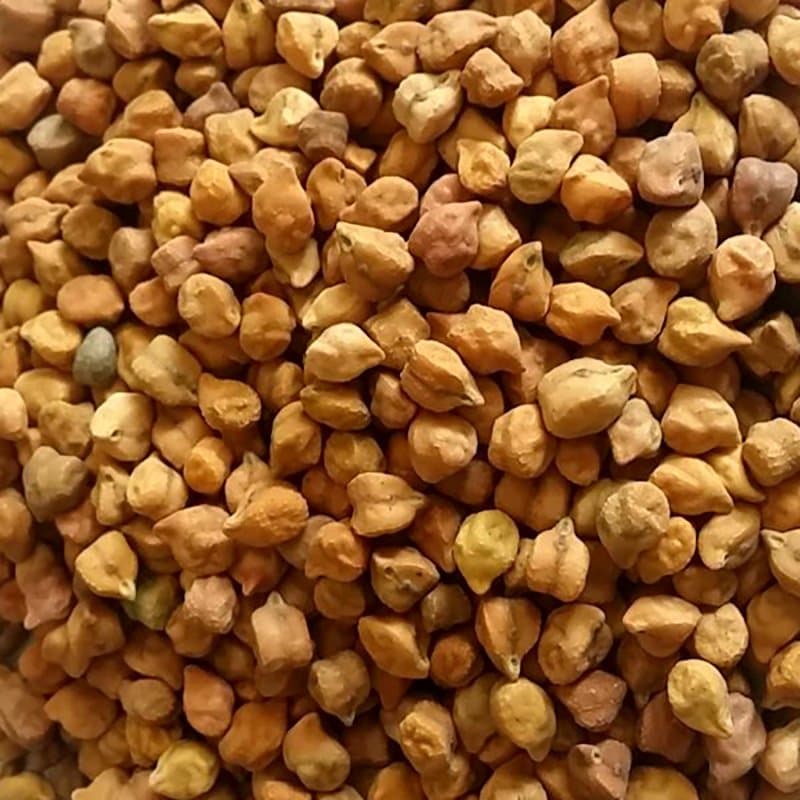
Inoculate with a chickpea-specific rhizobium where chickpea has not been grown recently, after paddy rice, or on poor soils. TNAU mixes one 200 g packet per hectare with cooled rice starch (kanji) as a sticker and dries the seed in shade for 15 minutes before sowing.

Scarification and stratification

Not needed. Chickpea seed absorbs water readily and needs no cold treatment.

Soaking

Not needed. Sow into moist soil instead; deep sowing reaches the moisture the seed needs.

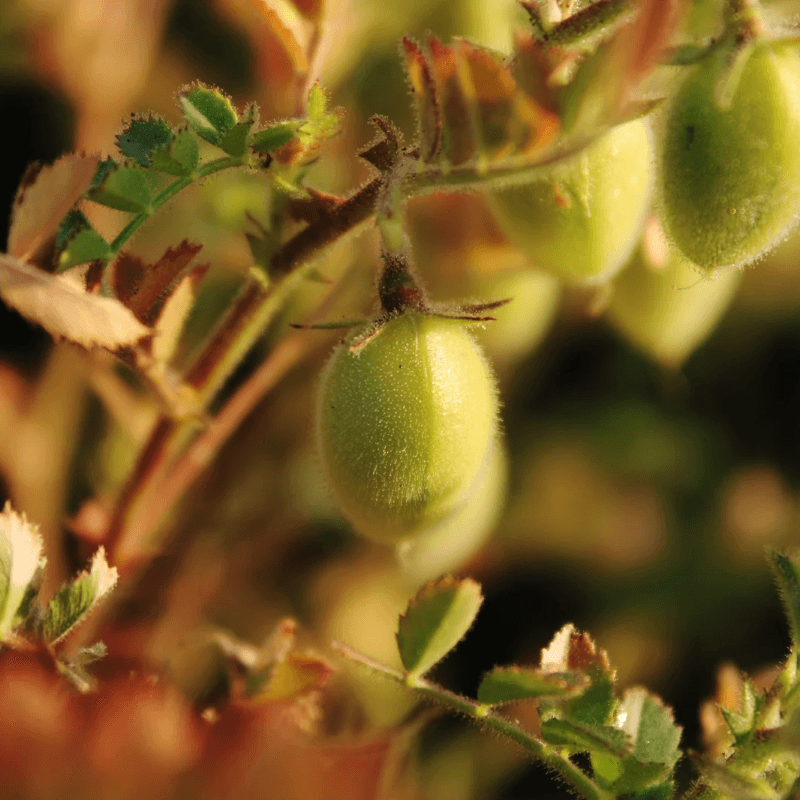
Chickpeas brown Seeds

Germination conditions

Germination temperature

Seed germinates fastest at 28-33 °C (82-91 °F), in about 5-6 days. The crop itself grows through the cool season and tolerates heat only when soil moisture is adequate.

Sowing depth

5-8 cm (2-3 in) in irrigated or moist soil. In dry soils 10-15 cm (4-6 in) is acceptable for desi types, but deep sowing reduces yields of large-seeded kabuli types.

Growing medium

Deep, fine-textured soils such as sandy loams, clay loams or well-drained clays, neutral to alkaline (pH about 5.5-9.0), prepared to a fine tilth with well-rotted manure. Avoid waterlogged, saline or sodic land.

Moisture

Sow into soil with good stored moisture after the monsoon. Do not water heavily before or after sowing; wet soil favours collar rot.

Light

Seed germinates under its soil cover; choose an open, sunny field.

Germination time

About 5-6 days at 28-33 °C; slower in cooler soil.

Transplanting and first growth

  1. Transplanting

    Do not transplant. Dibble single seeds 10 cm (4 in) apart in rows 30 cm (12 in) apart; in the Indian subcontinent rows of 30-45 cm (12-18 in) are common.

  2. Weeding

    Chickpea competes poorly with weeds. Hand weed about 15 and 30 days after sowing.

  3. First growth stage

    Keep the crop on the dry side. If winter rain fails, give one irrigation at early pod filling, about 45-50 days after sowing; in heavy soils or late sowings irrigate once at branching and once at pod initiation.

Chickpeas brown Seeds

Common problems

ProblemPlants droop, yellow and die in patches
Cause
Fusarium wilt, which can strike within 25 days of sowing or around flowering at 6-8 weeks; cut stems show brown internal streaks. It is worse above 25 °C and where chickpea is grown without rotation.
What to do
Grow wilt-resistant varieties (in India for example Pusa 212 or Avrodhi), use clean treated seed, avoid late sowing and rotate crops.
ProblemPlants dry out suddenly at flowering with blackened roots
Cause
Dry root rot, often confused with wilt, favoured by temperatures above 30 °C and drought at podding.
What to do
Sow on time with early varieties, irrigate at pod filling if needed and rotate with non-host crops.
ProblemSeedlings collapse with white mould at the base
Cause
Collar rot in wet, warm soil (25-30 °C) after heavy rain.
What to do
Sow on well-drained land, avoid overwatering and treat seed before sowing.
ProblemBrown ringed spots on leaves, stems and pods
Cause
Ascochyta blight in cool, cloudy, humid weather.
What to do
Use clean seed and grow chickpea on the same land only once every 3 years.
ProblemHoles in pods
Cause
Pod borer (Helicoverpa armigera), a major chickpea pest.
What to do
Inspect pods from flowering onwards and follow local extension advice.

Practical growing tips

Sow on time

Mid-October to mid-November is the ideal sowing window in India; earlier or later sowing clearly lowers yield. In Tamil Nadu rainfed chickpea is sown in November.

Fertilize lightly

TNAU applies a small basal dose before sowing (12.5 kg N, 25 kg P2O5, 12.5 kg K2O and 10 kg sulphur per hectare for rainfed crops, doubled under irrigation).

Try an intercrop

TNAU found paired rows of chickpea with one or two rows of coriander gave the best return.

Harvest

Harvest when the leaves turn yellow and shed and the pods are dry. TNAU varieties CO 3 and CO 4 mature in about 85 days.

Chickpea seeds from Deodar

Sow inoculated chickpea seed into moist soil in the cool season for a reliable crop of desi or kabuli peas.

Frequently asked questions

Do I need to inoculate chickpea seed?

Yes where chickpea has not been grown before, after paddy rice or on poor soils. A field that grew a well-nodulated chickpea crop recently usually does not need it.

Should I nip the growing tips of chickpea?

Nipping is a common practice, but a trial reported by ICRISAT found no yield effect from nipping at 20 and 40 days after sowing, so it is optional.

How often should I water chickpeas?

Rarely. Chickpea grows on stored soil moisture; one irrigation at early pod filling is usually enough, and waterlogging harms the crop.