Free EMS courier delivery across India
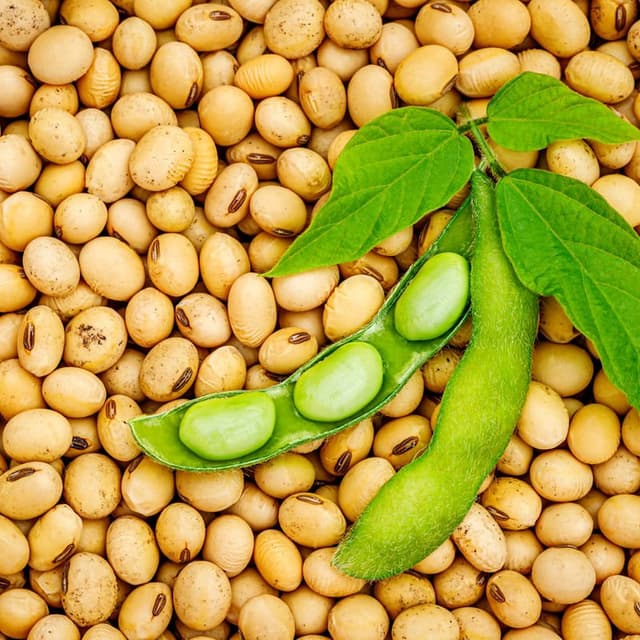
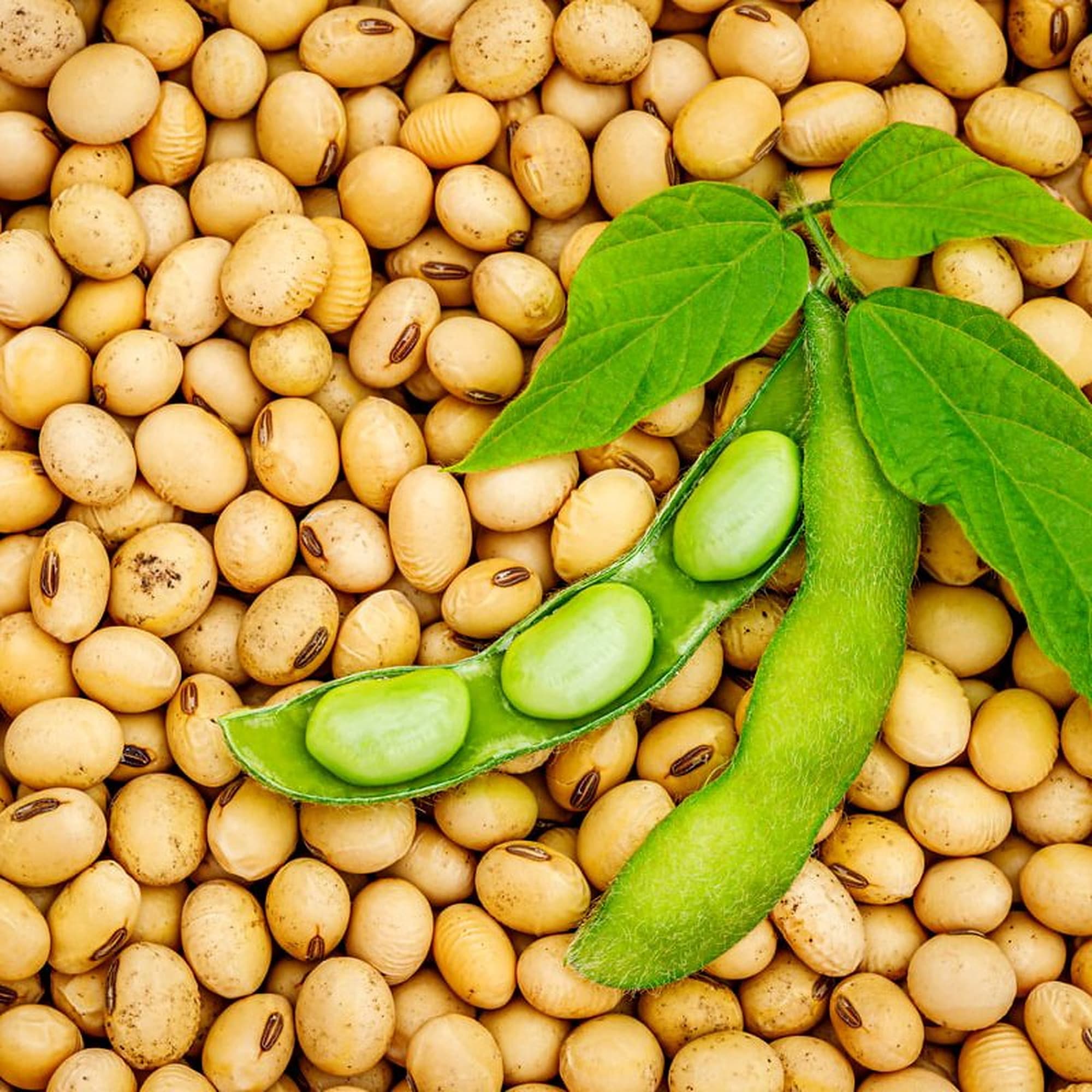
Edamame soya beans Seeds plant

Legume growing guide

How to grow edamame soybeans from seedGlycine max

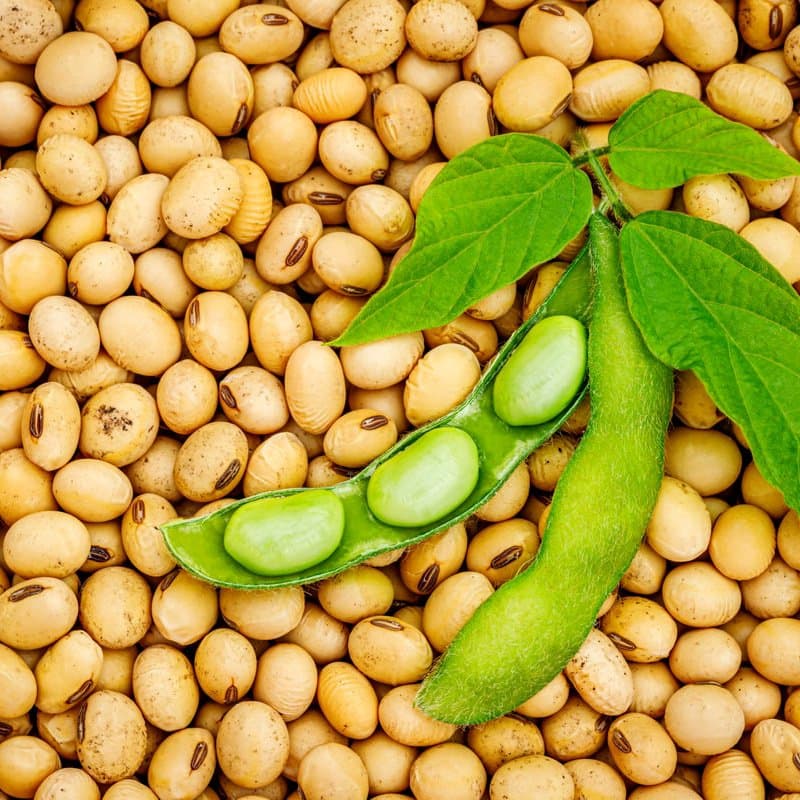
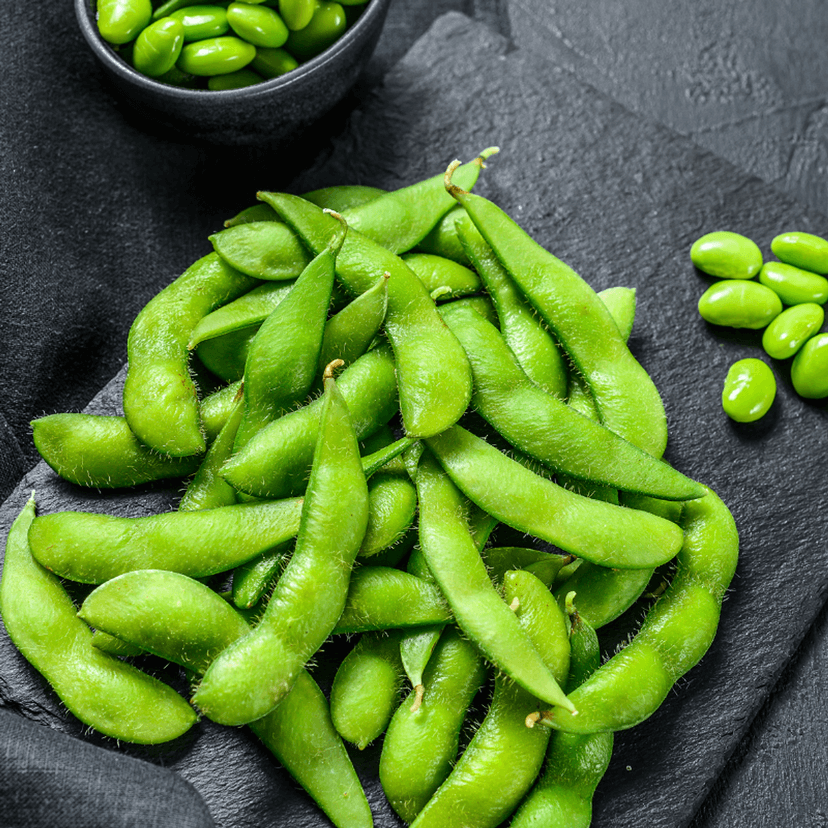
Edamame is soybean picked green, when the beans fill the pods but are still soft. It needs warm soil, the right inoculant and attention to day length, because soybean flowering is triggered by long nights.

25-33 °C
Germination temp.
≈ 5-7 days
Germination
1.3-3 cm
Sowing depth

At a glance

Germination temperature
Favourable soil temperature 25-33 °C (77-91 °F); in cool climates wait until the soil is above 15 °C (59 °F).
Sowing depth
1.3-3 cm (0.5-1.2 in); no deeper than 5 cm (2 in).
Germination time
Seedlings emerge in about 5-7 days in warm soil.
Light
No light needed for germination. Day length later controls flowering.
Pre-treatment
Bradyrhizobium japonicum inoculant; no soaking.
Transplant or direct sow
Direct sow.

Seed preparation

Seed preparation

Inoculate the seed with Bradyrhizobium japonicum, the soybean-specific nodule bacterium; University of Florida IFAS calls this highly recommended where soybean has not been grown before. Tamil Nadu Agricultural University (TNAU) uses three packets (600 g per hectare) of Rhizobium culture mixed with rice kanji as a sticker; dry the seed in shade for about 15 minutes and sow. For a garden, follow the dose on the inoculant packet.
Scarification

Not needed. Soybean seed takes up water quickly; it needs to absorb about half its own weight in water before it germinates.

Stratification

Not needed. Soybean is a warm-season crop with no cold requirement.

Soaking

Not recommended. The first hours of water uptake are the most sensitive: University of Nebraska trials found the critical period within the first eight hours after planting, and chilled water during that time cut emergence sharply; damaged or cracked seed coats and very dry seed (below 13% moisture) raise the risk. Sow dry seed into warm, moist soil instead.

Edamame soya beans Seeds

Germination conditions

Germination temperature

Soil at 25-33 °C (77-91 °F) is favourable for edamame germination. In cool regions sow only once the soil is above 15 °C (59 °F). Very hot, dry soil can also hold germination back, so water before sowing in summer.

Sowing depth

The University of Florida gives a normal depth of 1.3-2.5 cm (0.5-1 in), up to 5 cm (2 in) in gravelly or dry soil; TNAU dibbles seed 2-3 cm (0.8-1.2 in) deep. Deeper than 5 cm (2 in) gives late, uneven emergence.

Growing medium

Well-drained, aerated soil. Large, oily soybean seeds need more oxygen than small vegetable seeds and fail easily in waterlogged soil.

Moisture

TNAU irrigates straight after sowing and again on the third day. Avoid standing water: soybean is very sensitive to excess moisture, and cool, wet soil increases seed rot.

Light

Not needed for germination.

Germination time

About 5-7 days to emergence in warm soil; longer in cool soil.

Transplanting and first growth

  1. Transplanting

    Not recommended; sow where the plants will grow. TNAU spaces grain soybean 30 cm (12 in) between rows and 5 cm (2 in) between plants; thin to a little wider for bushier edamame plants.

  2. First growth stage

    Nodules form mostly in the top 20-25 cm (8-10 in) of soil, and nitrogen fixation begins at about the second trifoliate leaf stage. In trials in Miami, Florida, flowering started about five weeks after planting.

Edamame soya beans Seeds

Common problems

ProblemPatchy emergence
Cause
Seed sown too deep, cold water during the first hours of uptake, waterlogged soil or old, low-vigour seed.
What to do
Sow 2-3 cm (about 1 in) deep in warm, moist, drained soil, do not soak, and resow gaps promptly.
ProblemPlants flower while still small
Cause
Soybean measures night length, and long nights trigger flowering. Varieties are bred for particular latitudes, so a variety sown where nights are longer than it is adapted to can flower early.
What to do
Sow in the recommended local season and use varieties suited to your region.
ProblemPale, yellow-green plants
Cause
No effective nodules, usually because the soil has no soybean bacteria.
What to do
Inoculate with Bradyrhizobium japonicum the next time you sow.
ProblemPods turned yellow before picking
Cause
Harvest was missed; edamame pods pass the right stage within about a week.
What to do
Check plants daily as pods fill.

Practical growing tips

Choose the sowing season

Soybean is a short-day crop. In Tamil Nadu, TNAU sows soybean in June-July, September-October and February-March; the June-July sowing is the kharif (monsoon) season. In temperate climates sow after the soil warms in late spring.

Water evenly through pod fill

Avoid water stress from flowering to harvest, but never leave the bed waterlogged.

Harvest at stage R6

Pick when pods are still bright green and the beans are 80% to full size. In the Florida trials this was 60-76 days after planting, with most pods ready within 10-11 weeks.

Watch the pods

Caterpillars, thrips and insects that feed on buds and developing pods are the main pests reported in edamame; check plants once flowering starts.

Edamame seeds from Deodar

Grow your own sweet green soybeans for steaming straight from the pod.

Frequently asked questions

Do I need to inoculate edamame seeds?

Yes, if soybean has not grown in that soil before. Soybean nodulates with its own bacterium, Bradyrhizobium japonicum, so an inoculant labelled for soybean gives the plants their own nitrogen supply.

Should I soak edamame seeds before planting?

No. The first hours of water uptake are the most sensitive stage, and cold water at that point damages the seed. Sow dry seed into warm, moist soil.

When is edamame ready to pick?

When pods are plump and green and the beans fill 80% or more of the pod, roughly 60-76 days after sowing in warm conditions. Pods turn yellow within about a week after that.