Free EMS courier delivery across India
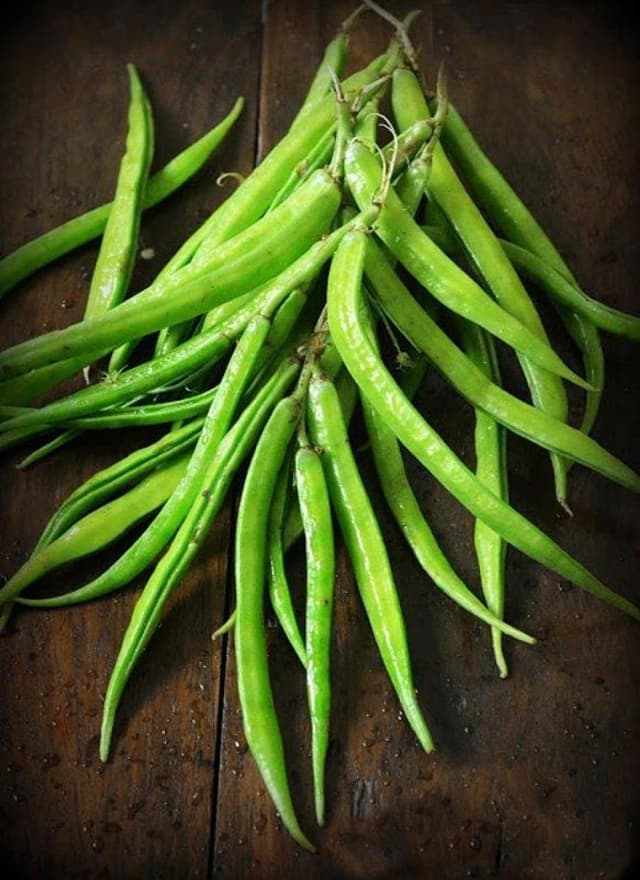
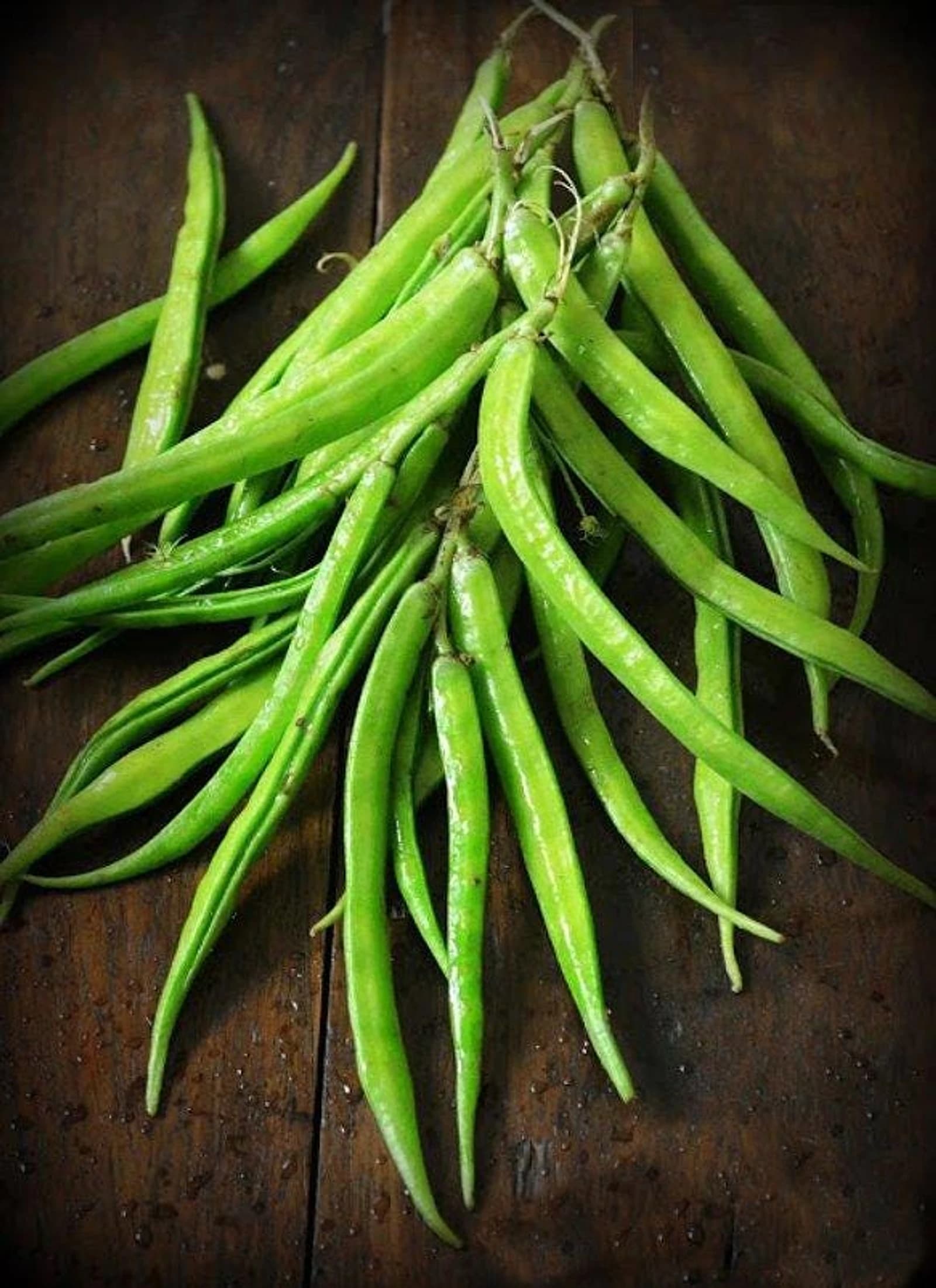
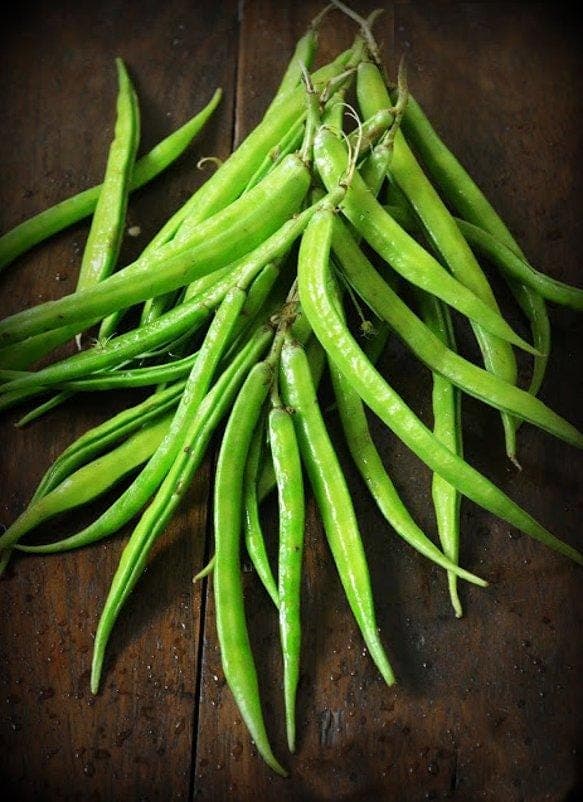
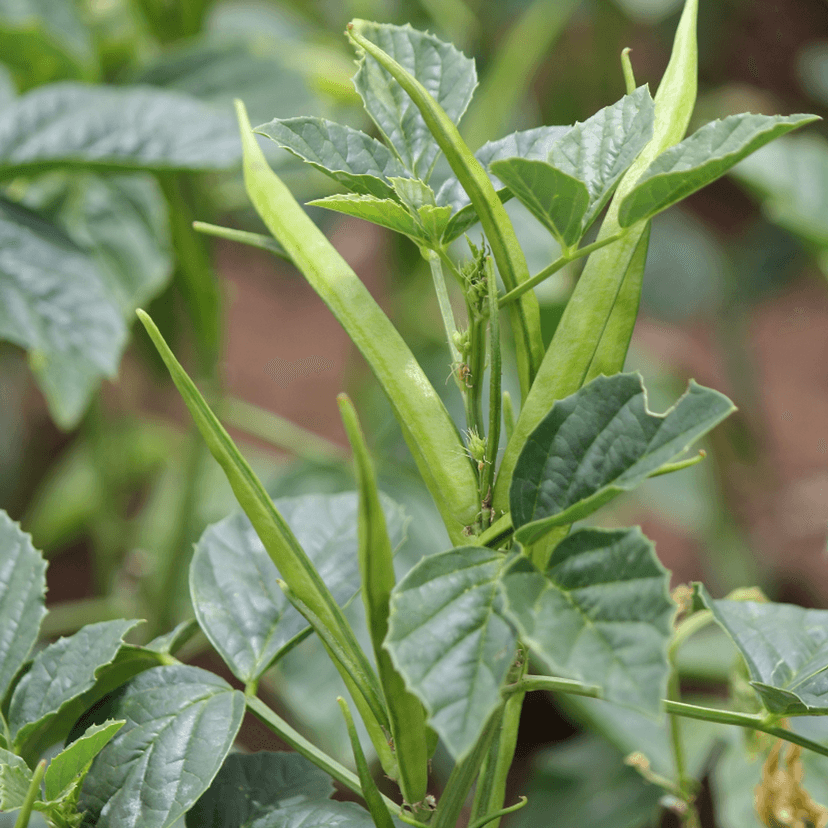
Cluster bean Neelam Seeds plant

Legume growing guide

How to grow guar (cluster bean) from seedCyamopsis tetragonoloba

Guar is a heat- and drought-tolerant legume grown for its gum-rich seed and for tender green pods. Sow it shallow and direct into warm, well-drained soil at the start of the monsoon or as an irrigated summer crop.

≈ 21 °C
Germination temp.

At a glance

Germination temperature
Warm: at least about 21 °C (70 °F) soil; 30-35 °C (86-95 °F) is ideal.
Sowing depth
Shallow. Guar emerges poorly from deep sowing and cannot push through a hard crust.
Germination time
About a week in warm, moist soil.
Light
Seed is covered; grow in full sun.
Pre-treatment
No scarification. Inoculate with Rhizobium; treat with Trichoderma or a seed fungicide.
Transplant or direct sow
Direct sow only.

Seed preparation

Seed preparation

CAZRI first treats seed with Trichoderma at 4 g per kg (or carbendazim at 2 g per kg) against soil-borne disease, then coats it with Rhizobium culture, about 600 g for 15 kg of seed, mixed with a little jaggery solution (TNAU uses rice gruel). Dry the coated seed in shade for 15-30 minutes and sow within 24 hours.
Scarification

Not needed. Guar seed takes up water readily; poor stands are usually caused by cold, dry or crusted soil.

Stratification

Not needed. Guar is a warm-season tropical crop with no cold requirement.

Soaking

Not needed for normal seed. Where bacterial blight is a problem, CAZRI soaks seed for 3 hours in an antibiotic solution (200 ppm streptocycline) before inoculation.

Cluster bean Neelam Seeds

Germination conditions

Germination temperature

Sow only into warm soil. Texas A&M AgriLife uses about 21 °C (70 °F) as the threshold for good establishment, and CAZRI gives 30-35 °C (86-95 °F) as ideal at sowing. Plants grow best at 32-38 °C (90-100 °F) and tolerate up to 45 °C (113 °F), but very hot spells at flowering make flowers drop.

Sowing depth

Sow shallow into a moist seedbed. Deep sowing to reach moisture gives weak, patchy emergence, and seedlings struggle through crusted soil.

Growing medium

Well-drained sandy loam or loam, pH about 7-8.5. Plough 20-25 cm (8-10 in) deep, harrow and level. Avoid heavy, waterlogged, saline or alkaline land.

Moisture

Sow into good soil moisture. If emergence of a summer crop is poor, give a light irrigation 6-7 days after sowing. Water must never stand on the field.

Light

No light is needed for germination under the soil cover. Choose an open, sunny field.

Germination time

Seedlings normally appear within about a week in warm, moist soil.

Transplanting and first growth

  1. Transplanting

    Do not transplant guar. For the seed crop CAZRI sows 15 kg per hectare in rows 45-50 cm (18-20 in) apart with plants 10 cm (4 in) apart, or 30 cm (12 in) rows for single-stem varieties. For green pods TNAU dibbles seed 15 cm (6 in) apart on the sides of ridges 45 cm (18 in) apart, about 10 kg per hectare.

  2. Keep weeds out early

    Keep the crop weed-free for the first 30-35 days. CAZRI weeds by hand at about 25 and 45 days after sowing.

  3. First growth stage

    Water a rainfed crop only if it wilts under stress, giving priority to flowering and pod filling. A mulch of crop residues helps hold moisture in dry areas.

Cluster bean Neelam Seeds

Common problems

ProblemPatchy emergence
Cause
Cold soil, sowing too deep or a crusted surface.
What to do
Wait for warm soil, sow shallow into moisture and give a light irrigation if the crust sets.
ProblemSpreading leaf spots and blighted leaves in humid weather
Cause
Bacterial blight, which is seed-borne.
What to do
Use clean seed, treat seed before sowing as above and avoid overhead watering in humid weather.
ProblemBrown leaf spots
Cause
Alternaria leaf spot, worse in rainy or sprinkler-watered crops.
What to do
Wider rows for airflow, crop rotation and a protective fungicide if it spreads.
ProblemWhite powder on leaves
Cause
Powdery mildew late in the season.
What to do
Sulphur-based sprays as advised by local extension.
ProblemYellowing, curled leaves with sticky residue
Cause
Jassids, aphids or whitefly.
What to do
Check the undersides of leaves weekly and treat early following local recommendations.

Practical growing tips

Sow on time

For a rainfed kharif crop in Rajasthan, sow in the first fortnight of July; yields fall when sowing slips past 15 July. TNAU sows the vegetable crop in June-July or October-November.

Feed lightly

Guar fixes its own nitrogen when inoculated. CAZRI applies compost or manure 15 days before sowing and about 20 kg N plus 40 kg P2O5 per hectare at sowing, placed below the seed.

Pick vegetable pods young

Tender pods of early vegetable varieties are first ready about 45 days after sowing; pick regularly before seeds harden.

Harvest the seed crop dry

Harvest when about three quarters of the pods are brown and dry. Leaving pods out in wet weather blackens the seed and lowers its quality.

Guar seeds from Deodar

Sow guar into warm, well-drained soil for a hardy legume crop of pods or seed.

Frequently asked questions

When should I sow guar in India?

With the monsoon: rainfed crops in the first fortnight of July, irrigated kharif crops up to late July, and an irrigated summer crop from late February to early March.

Is cluster bean the same plant as guar?

Yes. Both are Cyamopsis tetragonoloba. Vegetable varieties are picked as tender green pods; field varieties are grown to dry seed for guar gum.

Do I need to soak or nick guar seed?

No. Guar seed germinates readily in warm soil. Coat it with Rhizobium culture before sowing so the plants can fix nitrogen.