Free EMS courier delivery across India
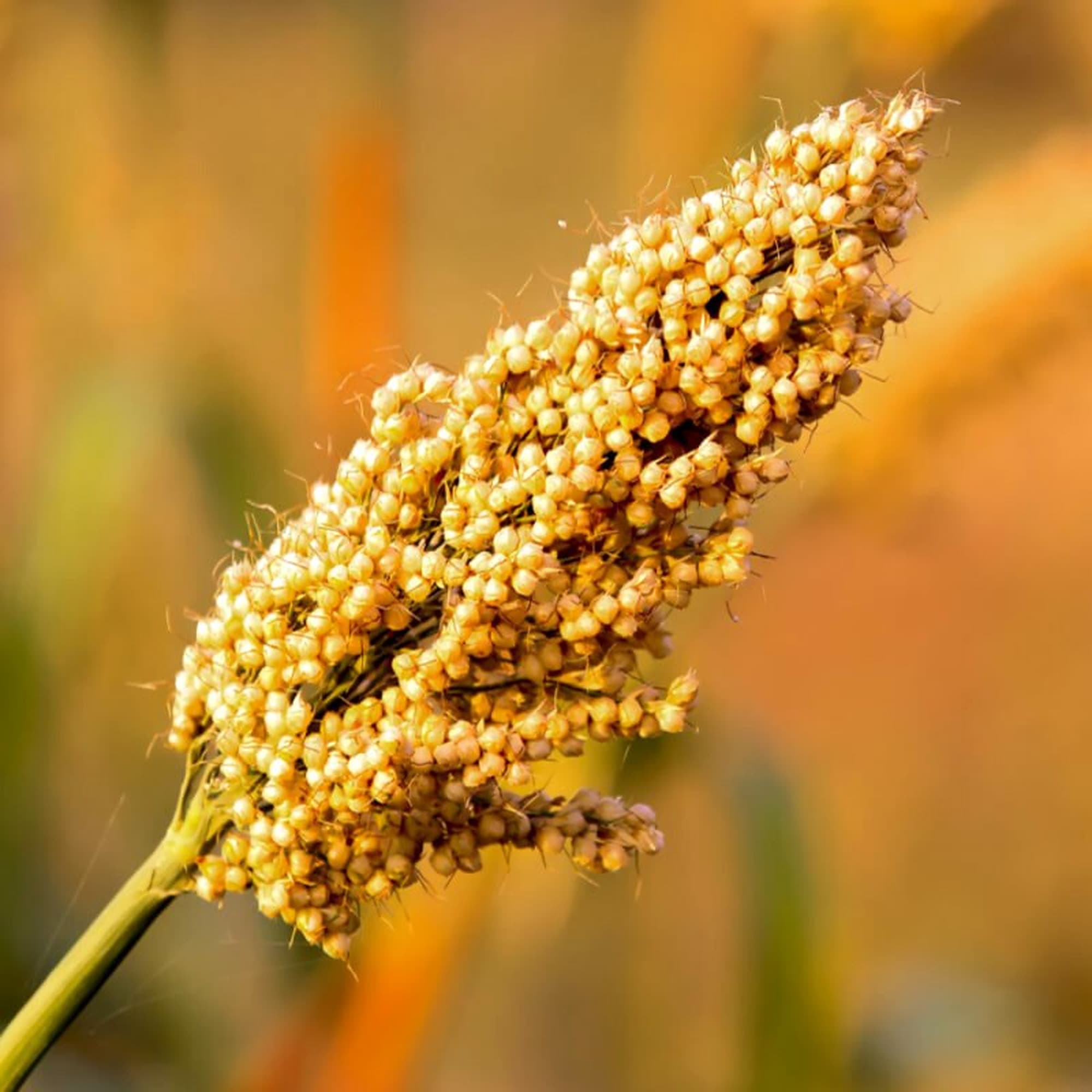
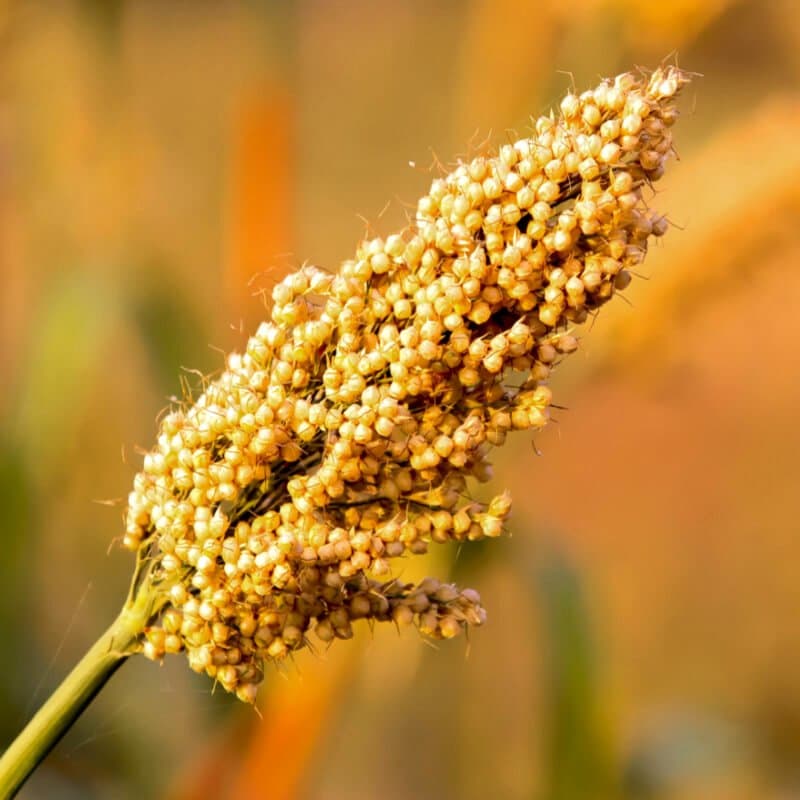
Jowar, new quinoa Seeds plant

Cereal growing guide

How to grow jowar (sorghum) from seedSorghum bicolor

Jowar is a hardy, heat-loving grain sorghum grown largely on rain or stored soil moisture. Sow it into warm, moist soil at the start of the monsoon, keep weeds down early and harvest as soon as the grain matures.

16-18 °C
Germination temp.
2.5-5 cm
Sowing depth
Full sun
Light

At a glance

Germination temperature
Sow when the soil is 16-18 °C (60-65 °F) or warmer.
Sowing depth
2.5-5 cm (1-2 in); deeper only to reach moisture in dry soil.
Germination time
Fast in warm, moist soil; slow and patchy in cool or deep sowings.
Light
Full sun.
Pre-treatment
None needed.
Transplant or direct sow
Direct sow.

Seed preparation

Seed preparation

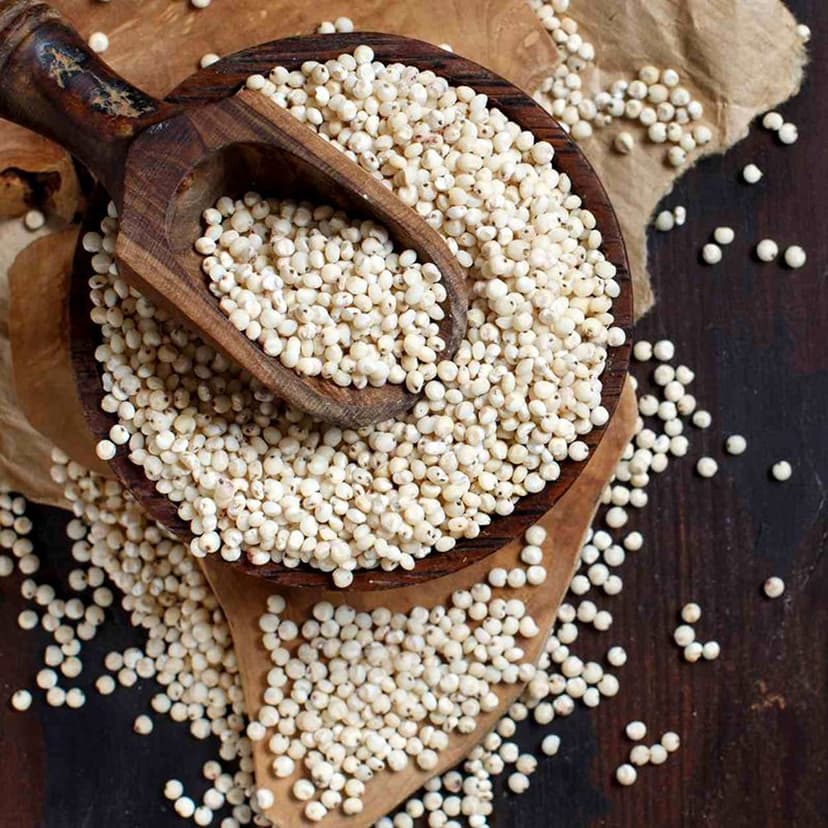
Use clean, plump seed of a variety suited to the season: kharif grain types for the monsoon, or the locally recommended rabi types where jowar is sown on stored moisture after the rains. Choose a variety that matures after the rains have ended, which reduces grain mould.
Scarification

Not needed. Sorghum seed absorbs water readily.

Stratification

Not needed. Jowar is a warm-season grass and needs warm soil, not cold.

Soaking

Not needed for garden sowing. Sow dry seed into moist soil.

Jowar, new quinoa Seeds

Germination conditions

Germination temperature

Wait until the soil has reached 16-18 °C (60-65 °F); University of Arkansas uses 18 °C (65 °F) at 5 cm depth in the morning. Across most of India this is met for the kharif crop; sow from the last week of May to July, within 7-10 days of the monsoon onset.

Sowing depth

In moist soil sow 2.5-4 cm (1-1.5 in) deep; deeper seed emerges slowly and stands thin out. On rainfed fields TNAU sows at about 5 cm and covers with soil so the seed sits in moist soil.

Growing medium

A well-drained soil with a fine, firm seedbed. TNAU places fertiliser in the furrow with a seed-cum-fertiliser drill and sows the seed over that line.

Moisture

Sow into soil that is moist from rain or irrigation. Established jowar copes with dry spells, but a dry seedbed gives poor, uneven stands.

Light

No light is needed for germination. Grow in an open, sunny field; jowar does not tolerate shade.

Germination time

Seedlings appear quickly in warm, moist soil; in cool soil or at depths below 4 cm emergence is slower and stands are thinner.

Transplanting and first growth

  1. Transplanting

    Not used. Sow directly in rows 45 cm (18 in) apart with plants 15 cm (6 in) apart, about 8-10 kg of seed per hectare. In a small plot, sow two or three seeds per station and thin to the strongest seedling.

  2. First growth stage

    Keep the crop weed-free for the first month; young sorghum grows slowly and competes poorly. ICAR-IIMR applies half the nitrogen and all the phosphorus at sowing and the rest of the nitrogen 30 days after sowing (80 kg N and 40 kg P2O5 per hectare in total).

  3. Check for deadhearts

    In the first weeks look for seedlings whose central leaf has dried (deadheart): this is shoot fly damage. Pull out and destroy them to keep a healthy stand.

Jowar, new quinoa Seeds

Common problems

ProblemCentral shoot dries in young plants
Cause
Shoot fly, worst in late sowings.
What to do
Sow within 7-10 days of the monsoon onset, raise the seed rate to 10-12 kg per hectare, remove deadhearts; neem kernel extract (5%) is a botanical option.
ProblemHoles in leaves and tunnels in stems
Cause
Stem borer.
What to do
Uproot and burn stubble after harvest and chop stalks so the pest does not carry over; treat the whorl only after leaf damage confirms an attack.
ProblemGrain discoloured and mouldy
Cause
Grain mould when the crop matures in rain.
What to do
Choose a variety that matures after the rains, harvest at physiological maturity without delay and dry the grain promptly.
ProblemBirds take the grain
Cause
Late sowing delays harvest and gives birds more time to feed on ripening grain.
What to do
Sow on time and harvest promptly.
ProblemLivestock poisoning after grazing young jowar
Cause
Prussic acid from dhurrin, highest in young plants, regrowth and drought- or frost-damaged shoots.
What to do
Do not graze or cut for green feed until plants are 45-50 cm (18-20 in) tall, or for 10 days after a killing frost.

Practical growing tips

Intercrop with pulses

TNAU sows jowar in paired rows 60 cm apart with plants 15 cm apart, and drops pulse seed 10 cm apart in the furrows between the pairs. The pulse rows use the space between the jowar pairs.

Grain or fodder

This guide covers grain jowar. For a multi-cut green-fodder crop, see the Sudan grass guide: sorghum-sudan types regrow after cutting and need their own cutting rules.

Harvest and storage

Harvest when the grain is hard and the plant has reached physiological maturity. Cut the heads, dry them in the sun, thresh, and store only thoroughly dry grain in a cool, dry place.

Plan the season

Pre-monsoon or early sowing is the single most useful step: it avoids shoot fly, makes use of the rains and brings maturity after the wet weather, which limits grain mould.

Jowar seeds from Deodar

Sow jowar at the start of the rains for a hardy, drought-tolerant grain crop.

Frequently asked questions

When should I sow jowar in India?

For the kharif crop, from the last week of May to July, ideally within 7-10 days of the monsoon onset. In Tamil Nadu TNAU sows rainfed jowar before the north-east monsoon, mostly in September and early October.

Can I feed green jowar plants to cattle?

Not when they are young. Young plants and fresh regrowth can release prussic acid. Wait until plants are at least 45-50 cm tall, and avoid feeding for 10 days after a killing frost.

How deep should I sow jowar seeds?

About 2.5-4 cm in moist soil. Sow up to 5 cm only when the surface is dry and the seed must reach moisture; deeper seed emerges slowly.