

About this seed
Local names
Kinesisk elefantgræs, glansmiskantus, Eulalia, Miscanthus, Chinese silvergrass, Maiden grass, Eulalia grass, Susuki, Eulalia japonica, Chinese fairy grass, Chinesisches Stielbluetengras, Gemeines Chinaschilf.
Common names of Miscanthus sinensis
All 33 names, languages and regions
Local names
| Denmark | |
|---|---|
| Danish | Kinesisk elefantgræs |
| Sweden | |
| Swedish | glansmiskantus |
| United States | |
| English | Eulalia, Miscanthus |
| Other places | |
| Japanese | Susuki |
| Latin | Eulalia japonica |
| English | Chinese Silvergrass, Chinese fairy grass, Maiden Grass, Maiden Silvergrass, Susuki Grass, Zebra Grass, bristle miscanthus |
| German | Chinaschilf |
| Finnish | Elefanttiheinä |
| Italian | Eulalia |
| French | Eulalie |
| Dutch | Klein prachtriet |
| Polish | Miskant chiński |
| Portuguese | capim-listrado |
| Korean | eogsae |
| Slovak | ozdobnica čínska |
| Czech | ozdobnice |
| Chinese silvergrass, Maiden grass, Eulalia grass, Chinese fairy grass, Chinesisches Stielbluetengras, Gemeines Chinaschilf, Japanese silver grass, Schilfras, capim-zebra, eogsae, eulalia, eulália, miscanthus, pampas grass, plume grass, prachtriet, susuki, zebra grass, 억새, 참억새 (eoksae chameoksae) | |
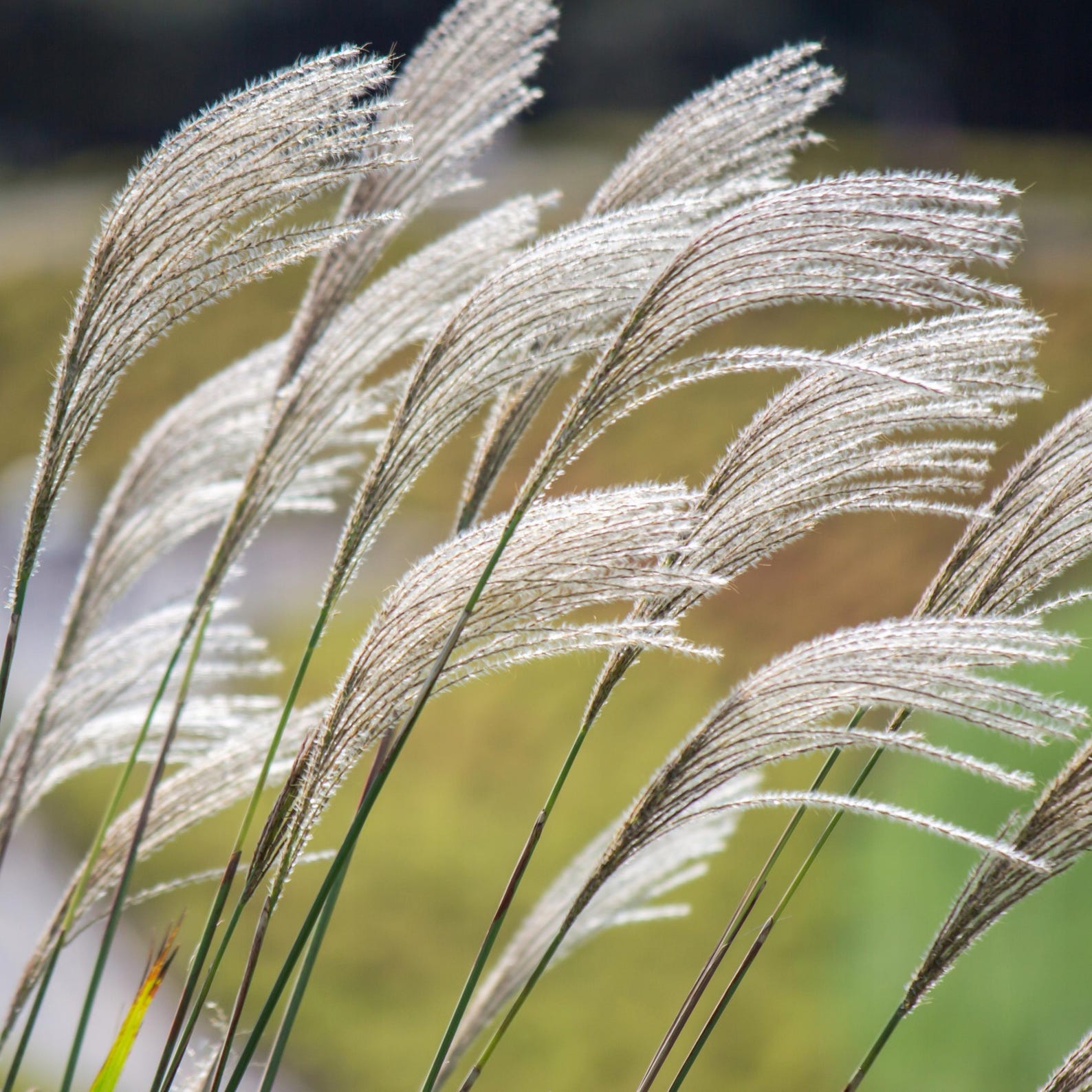
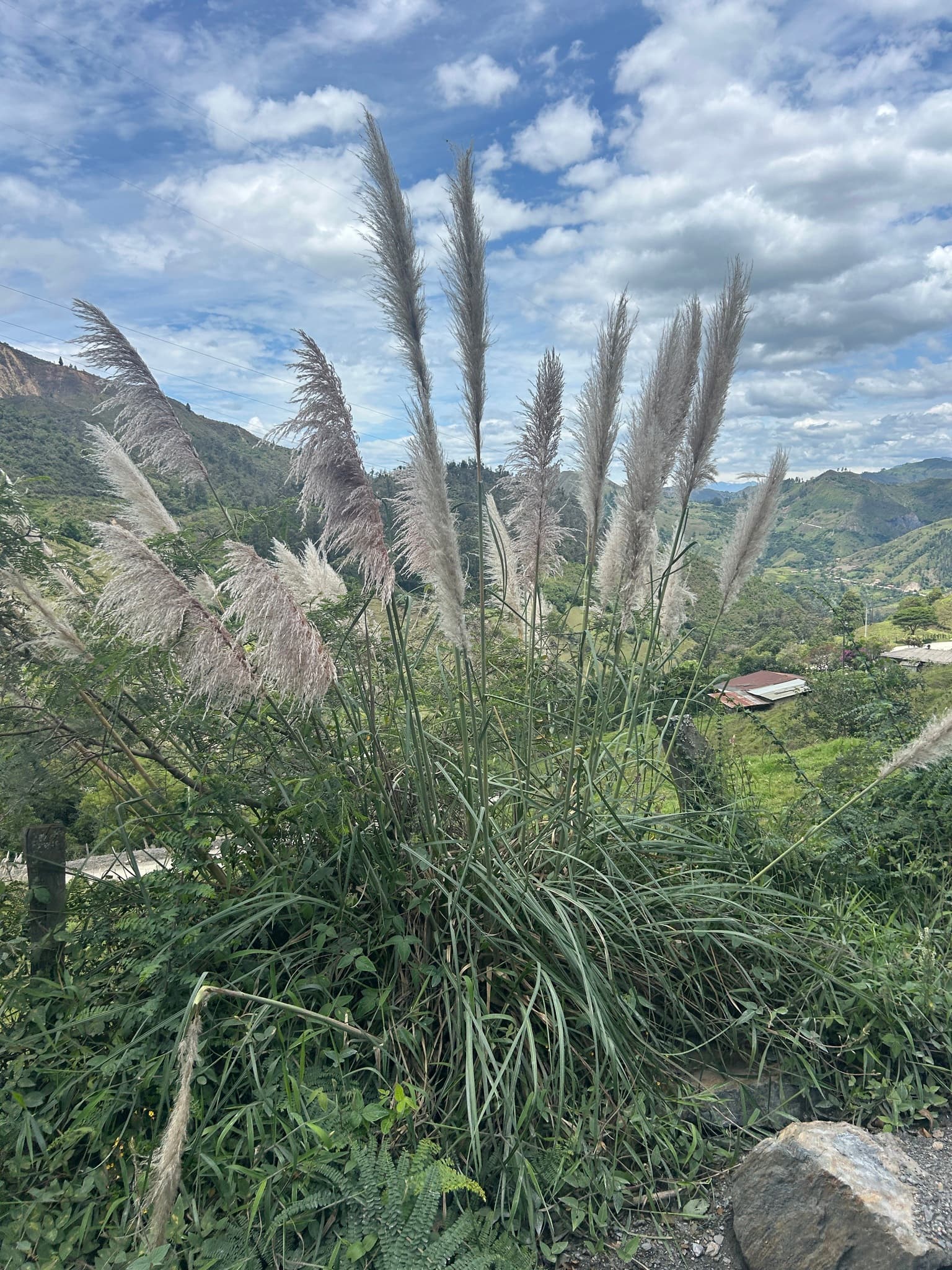
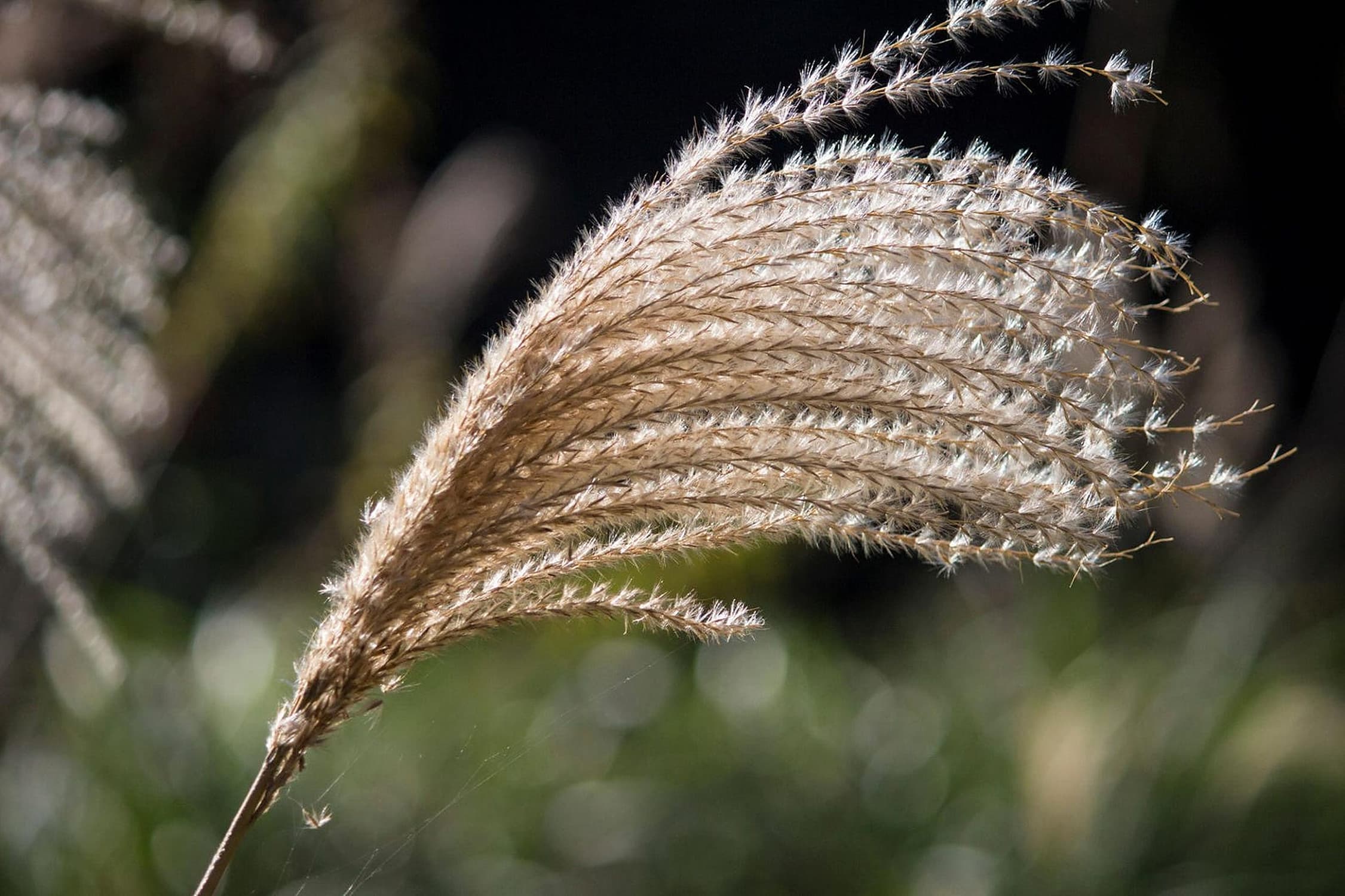
Chinese silver grass (Miscanthus sinensis) is a clump-forming perennial grass whose silvery to pale pink plumes open in late summer and autumn. The RHS rates it H6, hardy to about –20 to –15 °C, in full sun. Seed-grown plants vary, so do not expect them to match a named cultivar.
Also known as: Chinese silvergrass, Maiden grass, Eulalia grass, Susuki (Japanese); scientific synonym Eulalia japonica.
How tall will it get?
Published heights differ: Wikipedia gives 0.8–2 m as typical and up to 4 m occasionally, while the RHS entry for the species lists 2.5–4 m tall and 1–1.5 m wide. Allow room for the larger figure. Leaves are arching and linear, and the plant spreads from an underground rhizome into a dense clump.
Sowing
- Sow on the surface of moist, free-draining seed compost, press gently into place and cover only very lightly.
- Seed is small, about 1 mg per seed (approximate species value from a peer-reviewed paper).
- Keep evenly moist in a bright position with gentle warmth and good air circulation. We have no sourced germination temperature or time and do not state one.
- Transplant carefully once established and acclimatise gradually to outdoor conditions.
Site and care
Full sun gives the strongest growth and flowering; light shade is tolerated with fewer plumes. Any soil that is moist but well drained suits it, on acid, neutral or alkaline pH, and the RHS advises protecting it from excessive winter wetness. Remove dead foliage and old flowered stems in spring, before new shoots expand. Established clumps can be divided in spring.
FAQ
Will seedlings look like the plants in the photographs?
Not exactly. Seed-grown plants vary in height and plume colour, and named cultivars are not reproduced reliably from seed.
Is it safe to plant near natural areas?
Check local guidance first. The species has become invasive in parts of North America, where it can outcompete native plants.