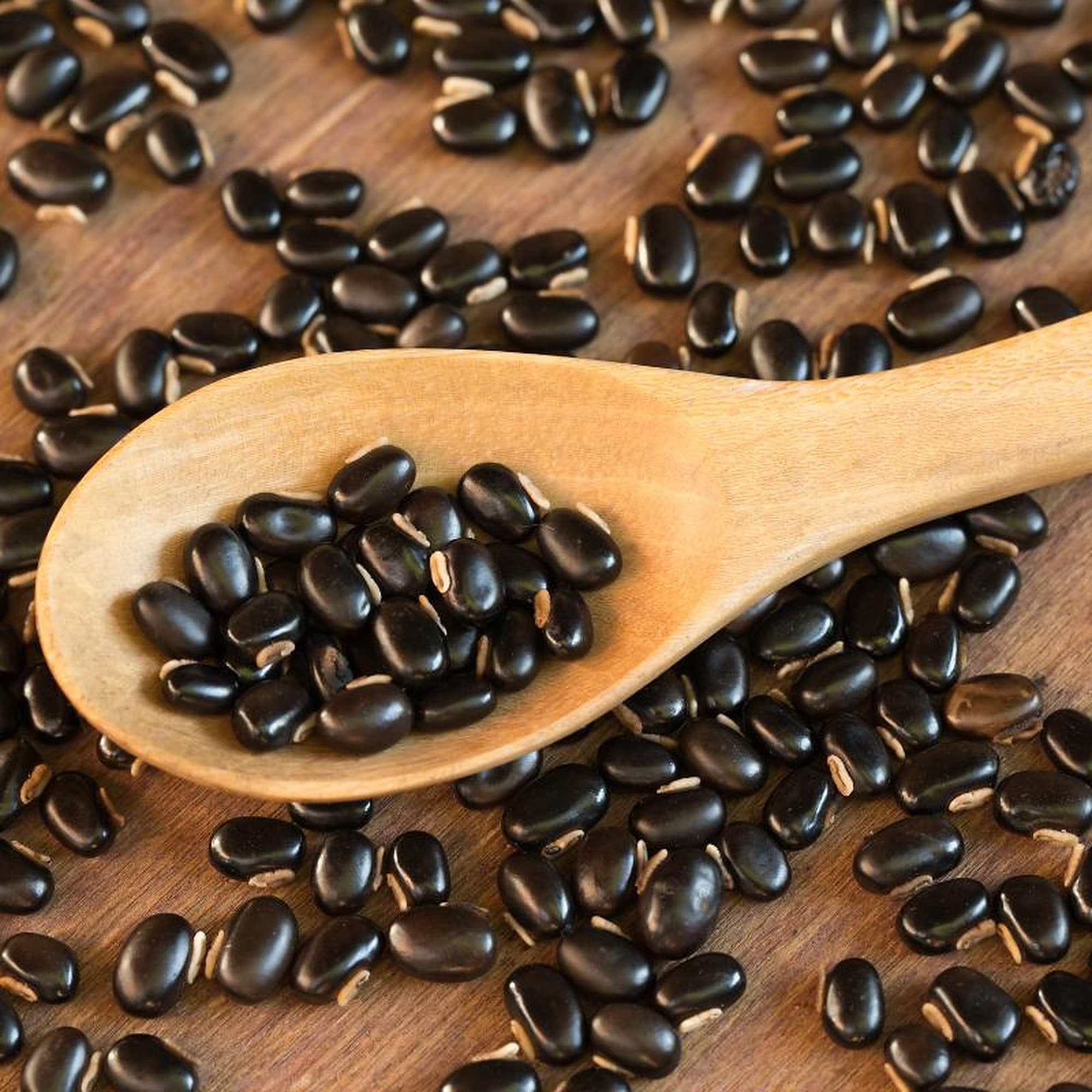


About this seed
Local names
Chitsango, Chitsangu, Cowitch, Cowhage, Kapikachhu, Kaunch, Atmagupta, Pica-pica, Pois mascate, Mucuna prurita, Dolichos pruriens, Stizolobium pruriens.
Common names of Mucuna pruriens
All 48 names, languages and regions
Local names
| Cambodia | |
|---|---|
| Khmer | ខ្ញែរ (Khnhaer) |
| Mayotte | |
| Chitsango, Chitsangu | |
| United Kingdom | |
| English | Cowitch |
| Other places | |
| Latin | Mucuna prurita |
| English | Itchy bean, Velvet bean, cowage |
| Portuguese | Coir, Feijão-da-flórida |
| Dutch | Fluweelboon |
| Spanish | Fogaraté, frijol terciopelo |
| German | Juckbohne |
| Lithuanian | Niežulinė aksompupė |
| French | Pois mascate, Pois pouilleux, Pois à gratter |
| Malagasy | Tangilotra |
| Danish | fløjlsbønne |
| Luba-Katanga | kapesa, pese |
| Swedish | kliböna |
| Kongo | mokendi |
| Slovak | mukuna pŕhlivá |
| Polish | Świerzbiec właściwy |
| Marathi | खाजकुयली (Khajkuyli) |
| Bangla | আলকুশি (Alkushi) |
| Tamil | பூனைக்காலி (Poonaikkali) |
| Thai | หมามุ่ย (Ma mui) |
| Chinese | 刺毛黛豆 (cì máo dài dòu), 刺毛黧豆 (cì máo lí dòu) |
| Cowhage, Cowitch, Kapikachhu, Kaunch, Atmagupta, Pica-pica, Pois mascate, Dolichos pruriens, Stizolobium pruriens, A̠yangkwai, abakwa, abapa, chiikán, gourou, makondia, mankundia, nagongo, timan-tzanab | |
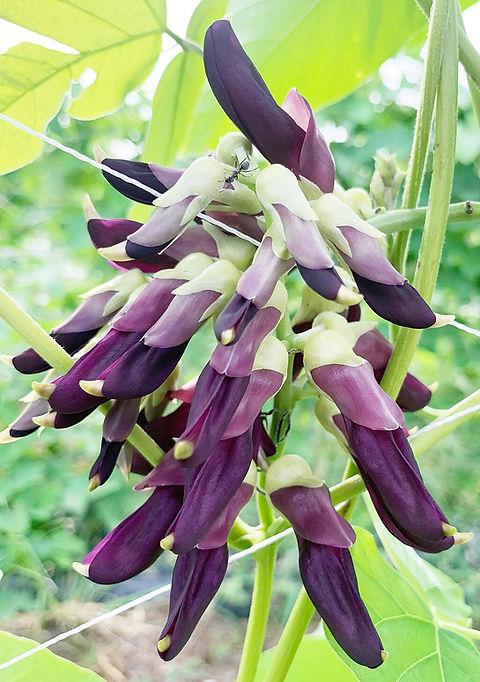
Mucuna pruriens, commonly called velvet bean, is a vigorous tropical climbing legume grown in warm-climate gardens, cover-crop trials and botanical collections. It develops broad trifoliate leaves, hanging flower clusters and pods covered with fine irritating hairs.
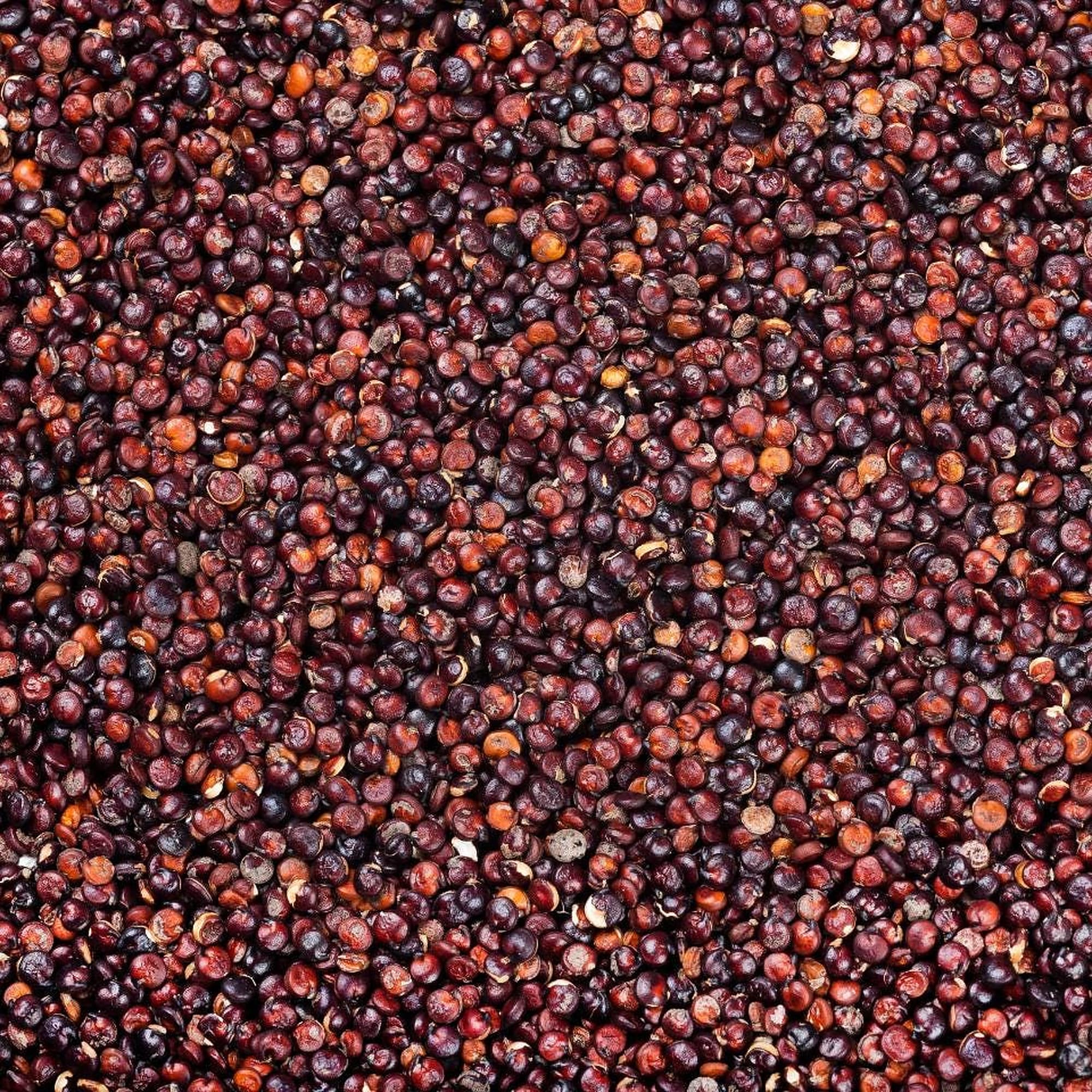
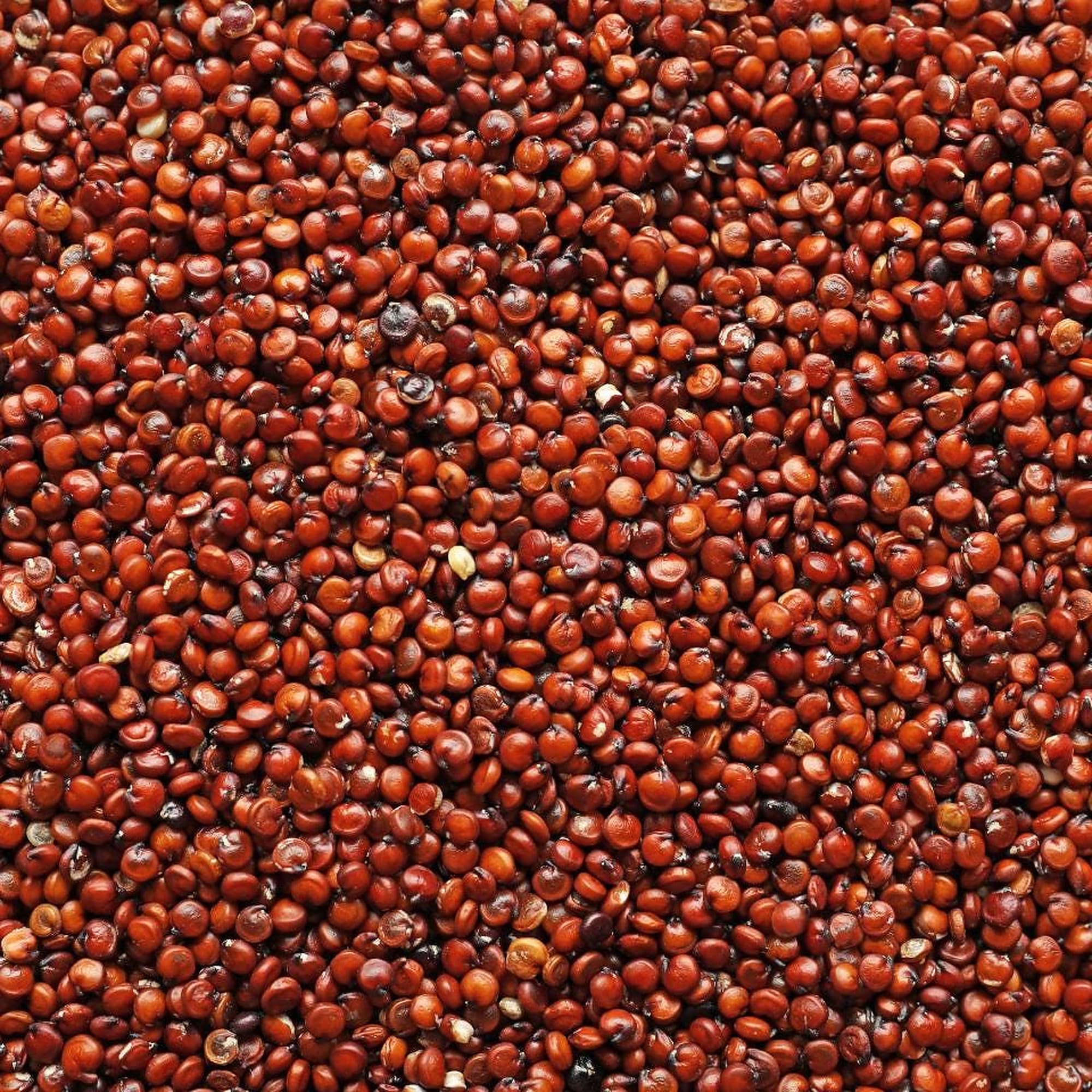
Plants raised from seed can vary naturally in growth, flower colour and seed appearance. The seeds are supplied only for horticultural propagation; no food, supplement, medicinal or therapeutic use is offered or implied.
Wear gloves when handling mature pods or plant debris because the pod hairs can cause intense skin irritation. Keep seeds and plant material away from children and pets, and confirm local suitability before planting. Provide a strong trellis or other durable support, as established vines can grow rapidly and cover a large area.
Sow in warm conditions in a clean, freely draining mix. The hard seed coat can slow water uptake; gently scarify a small area of the coat without damaging the embryo, then soak the seed in clean room-temperature water before sowing. Plant individually about 2 to 3 cm deep. Keep the medium evenly moist but never waterlogged.
After emergence, provide bright light, warmth and good air circulation. Transplant carefully once roots hold the medium together. Choose a sunny site with fertile, well-drained soil and enough room for climbing growth. Water regularly while plants establish; established plants tolerate short dry periods better than saturated soil.
You will receive seeds only; no plant, pod, food product or growing container is included.