Free EMS courier delivery across India
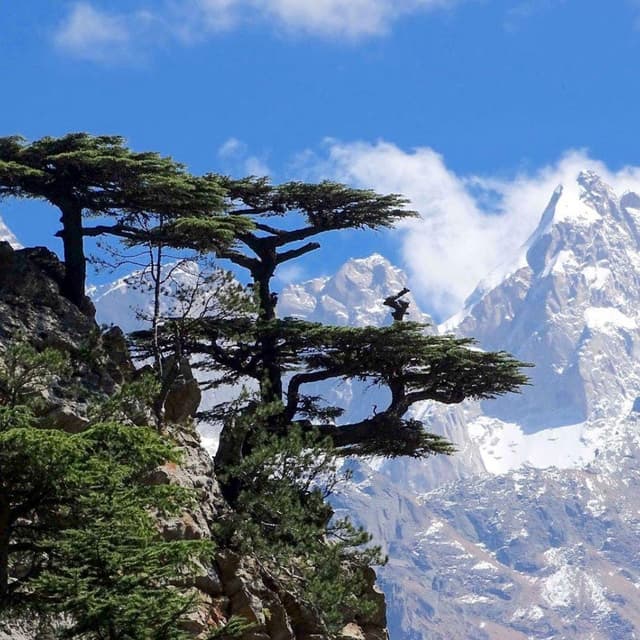
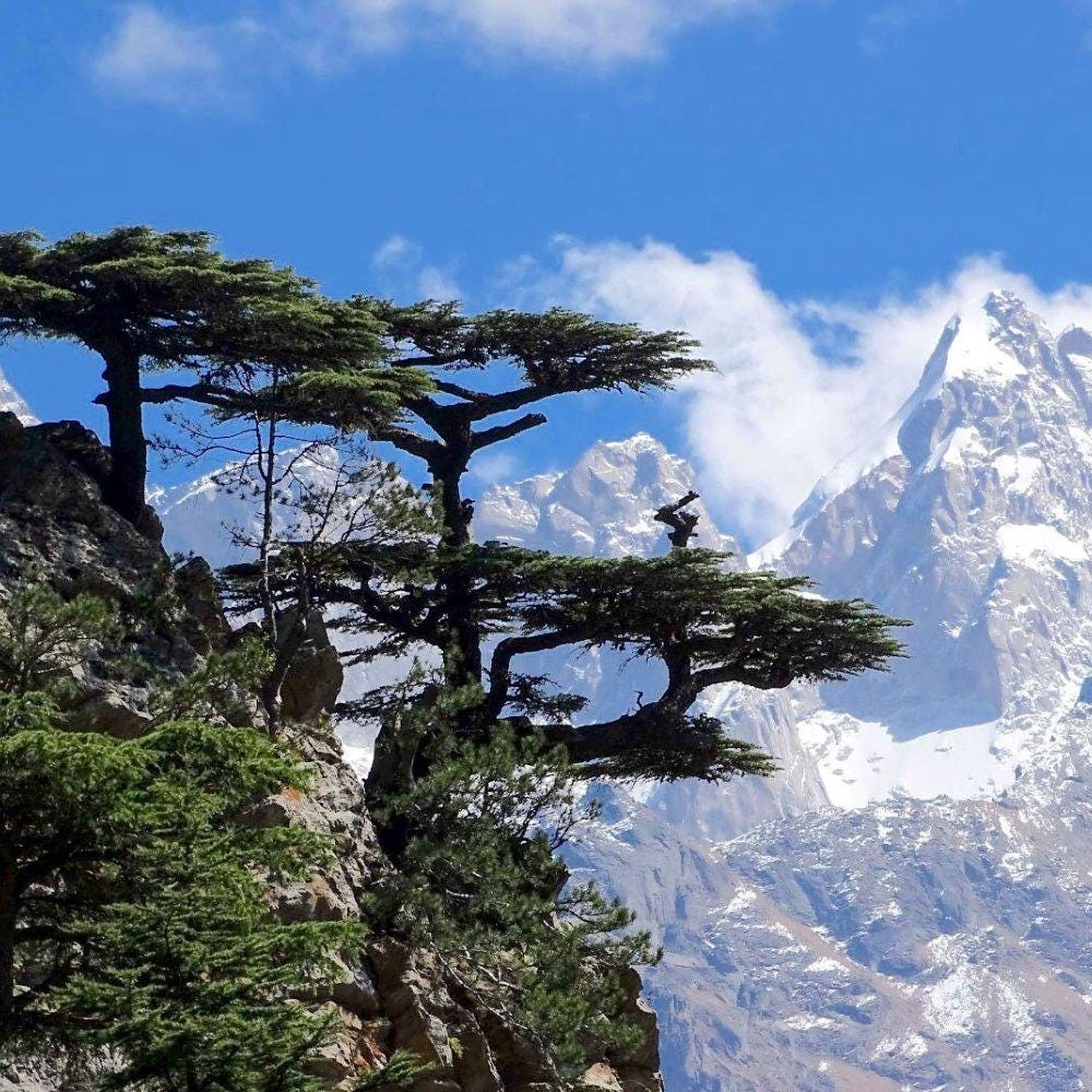
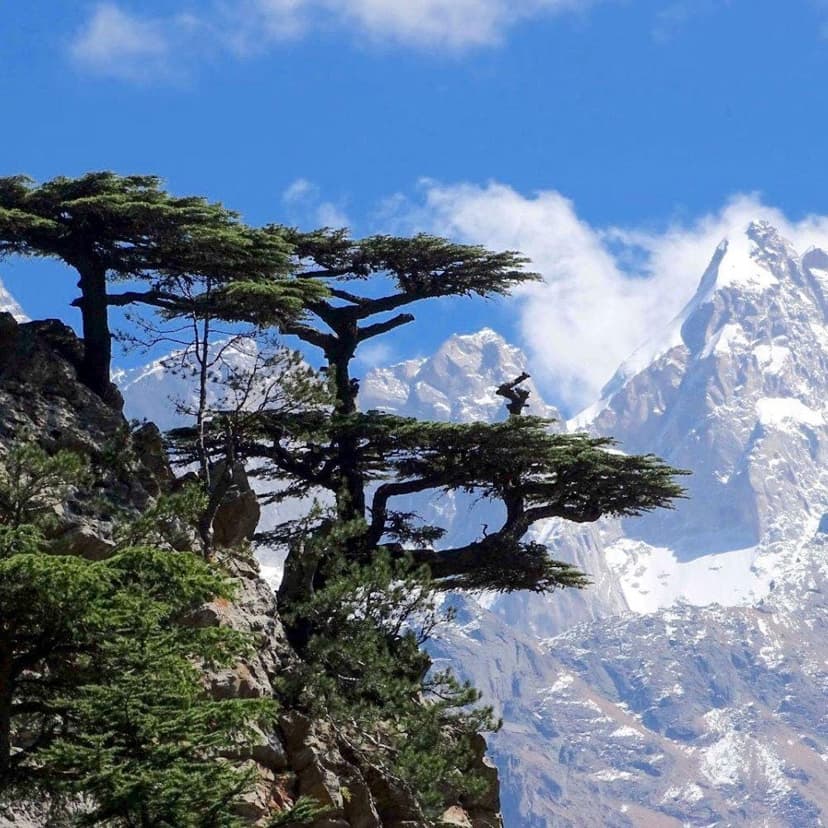
Himalayan Deodar Cedar Seeds (Cedrus deodara) plant

Conifer growing guide

How to grow deodar cedar from seedCedrus deodara

Deodar, the Himalayan cedar that gives Deodar Seeds its name, is a majestic conifer of the western Himalaya. Its oily seed is short-lived but needs only a short chill, so sow it fresh, about 1 cm deep, and protect the seedlings from damping-off.

≈ 20 °C
Germination temp.
≈ 3-4 weeks
Germination
≈ 1 cm
Sowing depth

At a glance

Germination temperature
About 20 °C (68 °F); alternating 20-30 °C (68-86 °F) is also used in tests.
Sowing depth
About 1 cm (0.4 in); deeper sowing reduces germination.
Germination time
About 3-4 weeks.
Light
Seed is covered; shade seedbeds in summer.
Pre-treatment
Short cold, moist stratification of 2-4 weeks for even germination.
Transplant or direct sow
Sow in nursery drills or containers; grow on for several years before planting out.

Seed preparation

Seed preparation

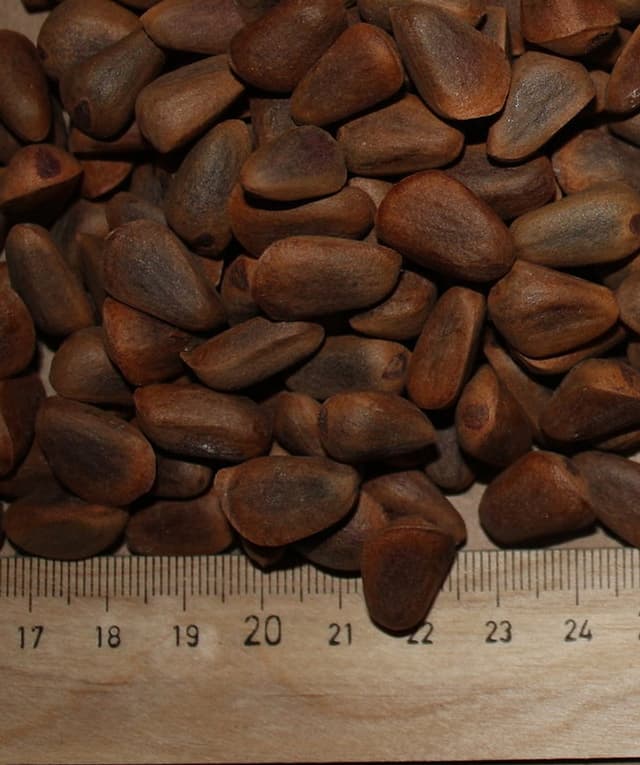
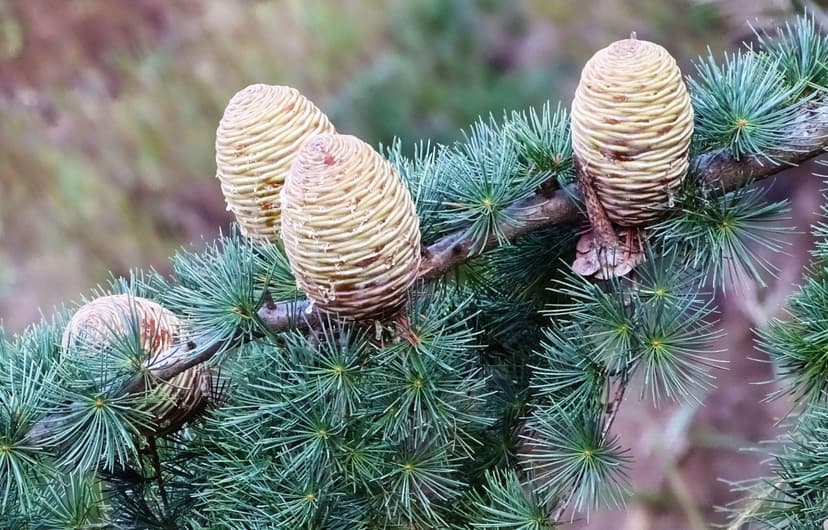
Deodar seed is large for a conifer (about 13.7 mm long in a Central Himalayan study; roughly 8,150 cleaned seeds per kg), winged and very oily. Although orthodox, it does not keep well: over-dried seed cannot take up water properly, and even sealed seed below 10% moisture at -1 to -5 °C (23-30 °F) stays viable for only about 3-6 years. Sow fresh seed, and keep it sealed and cold until sowing.
Scarification

Not needed. The seed coat is thin.

Stratification

Recommended for uniform germination. The USDA manual gives 2 weeks at 3-5 °C (37-41 °F); in one trial 30 days at 4 °C (39 °F) in moist sand raised germination to 45% against 11% without it, and another study found 9 °C (48 °F) a better chilling temperature than 3 °C (37 °F). Mix seed with damp sand in a bag in the refrigerator.

Soaking

Not needed. Moist stratification hydrates the seed; do not leave it soaking for days, as oily seed can rot.

Himalayan Deodar Cedar Seeds (Cedrus deodara)

Germination conditions

Germination temperature

Standard tests use 20 °C (68 °F) after stratification, or alternating 20 °C (68 °F) nights and 30 °C (86 °F) days. In the hills sow in spring or autumn; on the plains sow only in the cool season, as deodar is a temperate mountain tree.

Sowing depth

About 1 cm (0.4 in). Nursery research cited by the USDA manual found that deeper sowing reduces germination.

Growing medium

A clean, free-draining nursery soil or sandy seed mix. In nursery beds sow in drills 10-15 cm (4-6 in) apart at about 200-250 seeds per m2.

Moisture

Keep the bed evenly moist but not soggy; wet, crowded beds encourage damping-off.

Light

Germination happens under the soil cover. Shade the seedbeds through the first summer; nurseries keep container seedlings in shaded beds.

Germination time

About three to four weeks. Unstratified deodar seed has germinated anywhere from 16% to 69%, depending on the seed lot, so stratification and fresh seed make a clear difference.

Transplanting and first growth

  1. Transplanting

    Container-grown seedlings are transplanted in winter, while dormant. Move them into deep pots so the taproot is not bent.

  2. First growth stage

    Keep young seedlings in shaded beds during summer. Nurseries grow deodar on for several years: planting stock ranges from 2 to 12 years old.

  3. Winter protection

    Young deodars are prone to injury from frost and cold winds. Mulch autumn-sown beds and cover seedlings on frosty spring nights.

Himalayan Deodar Cedar Seeds (Cedrus deodara)

Common problems

ProblemSeedlings collapse at soil level
Cause
Damping-off, to which deodar seedlings are prone.
What to do
Sow in clean soil, avoid overcrowding and overwatering, and treat with a suitable fungicide if needed.
ProblemPoor or patchy germination
Cause
Old, over-dried seed or no stratification.
What to do
Sow fresh seed after 2-4 weeks of cold, moist stratification.
ProblemFew seedlings from deep sowing
Cause
Seed buried more than about 1 cm.
What to do
Sow at 1 cm (0.4 in) and cover with fine soil.
ProblemYoung plants scorched or killed in winter
Cause
Frost and cold wind on young trees.
What to do
Mulch and cover beds on frosty nights, and plant in a sheltered spot.

Practical growing tips

Choose the climate

Deodar is native to the western Himalaya, from northern Pakistan through north-western India to western Nepal. It grows best in temperate hill climates; the USDA manual rates it hardy in USDA zones 7-8.

Collect your own seed

Pick cones from the tree in autumn before they turn brown. Dry them only until the scales loosen, because over-drying can kill the seed; soaking cones in warm water for 48 hours helps them fall apart.

Expect a long wait for cones

Trees raised from seed take decades to produce good seed crops, so plant deodar for its form and shade rather than for seed.

Give it space

Deodar becomes a very large tree. Plant it in open ground well away from buildings and overhead lines.

Deodar cedar seeds from Deodar

Sow fresh deodar cedar seeds about 1 cm deep after a short chill to raise the Himalaya's classic cedar.

Frequently asked questions

Do deodar cedar seeds need stratification?

Not strictly, but a short cold, moist stratification of 2-4 weeks makes germination far more even. In one trial it raised germination from 11% to 45%.

How long do deodar seeds stay viable?

Not long at room temperature, because the seed is very oily. Sow as soon as possible; sealed, dry and frozen seed lasts only a few years.

Does deodar cedar produce pine nuts?

No. Edible 'cedar nuts' come from Siberian stone pine (Pinus sibirica), which is a pine. Deodar seeds are small, winged and not eaten.

Can I grow deodar on the Indian plains?

It is a temperate Himalayan tree and grows best in the hills. On the plains, sow only in the cool season and expect slow, difficult growth in hot summers.