Free EMS courier delivery across India
Thuja orientalis Seeds plant

Conifer growing guide

How to grow oriental arborvitae from seedPlatycladus orientalis, syn. Thuja orientalis

Oriental arborvitae is one of the easiest conifers to raise from seed: fresh seed usually germinates within three weeks without any pre-treatment. Sow shallowly in a free-draining mix and grow seedlings on for about two years before planting out.

≈ 20 °C
Germination temp.
21 days
Germination
6-9 mm
Sowing depth

At a glance

Germination temperature
About 20 °C (68 °F), the standard test temperature.
Sowing depth
6-9 mm (about 1/4-3/8 in).
Germination time
Most seed germinates within 21 days.
Light
Seed is lightly covered; seedlings need full sun to light shade.
Pre-treatment
Usually none; old or slow seed lots benefit from cold, moist stratification.
Transplant or direct sow
Sow in a seedbed or trays; plant out at about 2 years.

Seed preparation

Seed preparation

The seed is small and oval, roughly 44,000-55,000 seeds per kg. It is orthodox: dried to 5-10% moisture and kept sealed at 0-5 °C (32-41 °F) it stays viable for at least five years. Keep seed in a sealed jar in the refrigerator until sowing.

Scarification

Not needed. The seed coat is thin and takes up water readily.

Stratification

Not needed for most fresh seed. If a seed lot germinates slowly or unevenly, mix it with damp sand and keep it at 1-5 °C (34-41 °F) for about a month; the USDA manual reports benefits from cold stratification of 1 to 12 months.

Soaking

Optional. A soak of a few hours in room-temperature water before sowing helps dry seed absorb moisture evenly. Do not soak for days.

Thuja orientalis Seeds

Germination conditions

Germination temperature

Around 20 °C (68 °F). In temperate gardens sow in spring; on the Indian plains sow in the cool season, when days are mild, and avoid the hottest months.

Sowing depth

Cover with 6-9 mm (about 1/4-3/8 in) of fine soil or sand. No mulch is needed over the row.

Growing medium

A light, free-draining seed mix, such as equal parts sand and seed compost. Use clean, fresh mix to reduce fungal disease.

Moisture

Keep evenly moist but never waterlogged. Water with a fine rose or from below so the small seed is not washed out.

Light

Germination takes place under the thin soil cover. Once seedlings appear, give bright light with shelter from harsh midday sun for the first weeks.

Germination time

Most viable seed germinates within about three weeks; germination is epigeal, so the seed leaves are lifted above the soil.

Transplanting and first growth

  1. Pricking out

    If sown in trays, move seedlings to individual deep pots once the first scale-like or needle-like juvenile leaves have formed. Hold them by the seed leaves, not the stem.

  2. First growth stage

    Grow on in pots or a nursery bed in full sun to light shade. Nurseries usually plant oriental arborvitae out as 2-year-old seedlings.

  3. Planting out

    Plant in well-drained soil at the same depth it grew in the pot, water in well and keep the soil moist, not wet, through the first season while roots establish.

Thuja orientalis Seeds

Common problems

ProblemSeedlings collapse at soil level
Cause
Damping-off fungi in wet, crowded trays.
What to do
Sow thinly in clean mix, water in the morning, and give good air movement.
ProblemFew seeds come up
Cause
Old or poorly stored seed, or seed sown too deep.
What to do
Keep seed cold and dry until sowing, cover with no more than 9 mm, and try a month of cold, moist stratification for a slow seed lot.
ProblemYellowing or rotting young plants
Cause
Wet, poorly drained soil, which the species does not tolerate.
What to do
Plant in free-draining ground or raised beds; never let pots stand in water.
ProblemBronzed, speckled foliage or bag-like cases on shoots
Cause
Spider mites in hot, dry weather, or bagworms.
What to do
Inspect plants in summer, hose off mites and pick off bagworm cases early.

Practical growing tips

Choose the site

Full sun gives the densest growth; partial shade is tolerated. NC State Extension rates it for USDA zones 6-9, and it grows slowly to about 5.5-7.5 m (18-25 ft) tall and 3-4.5 m (10-15 ft) wide.

Use for hedges and screens

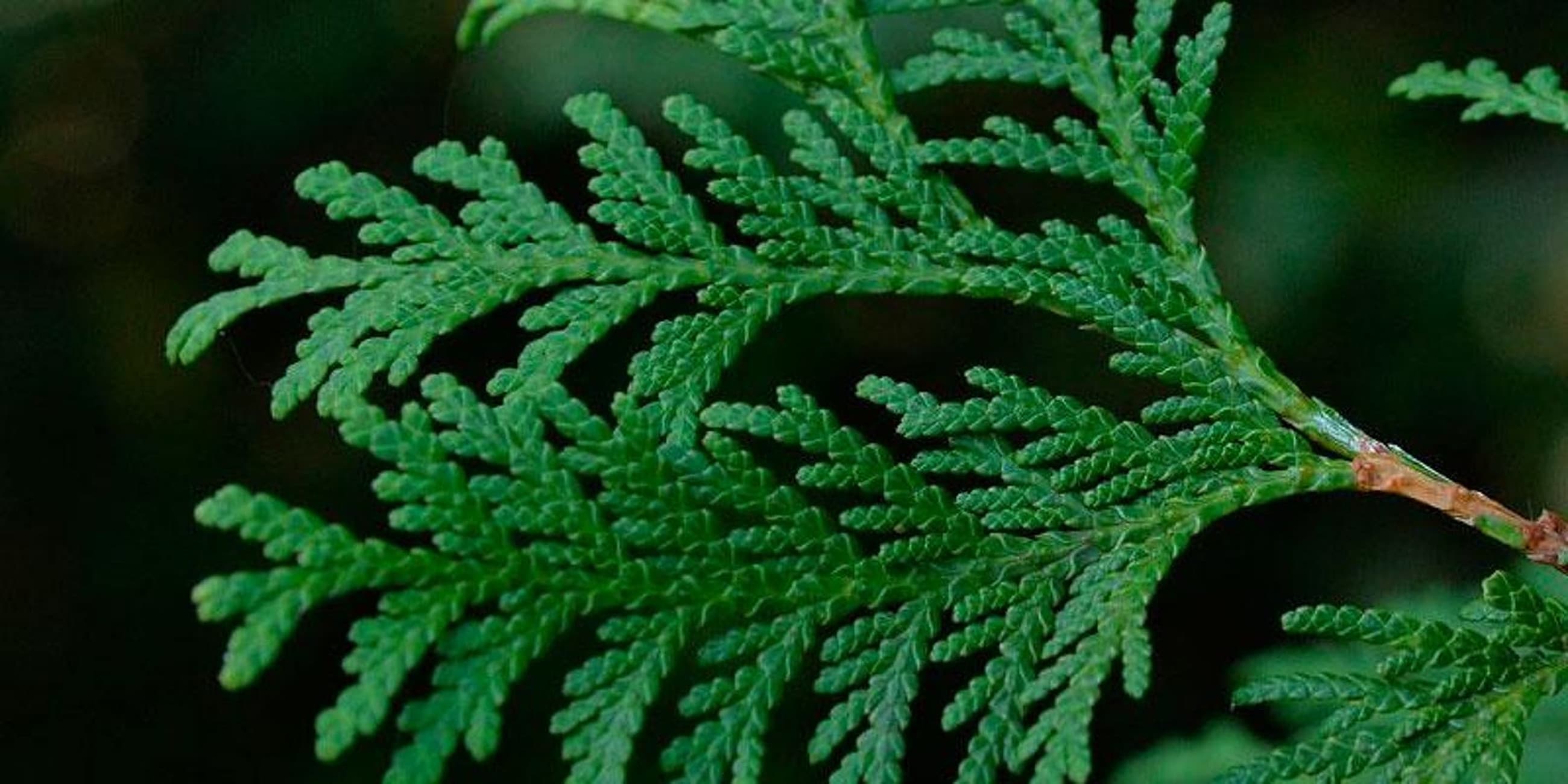
Its flat, vertical sprays of foliage make it a good hedge, screen or specimen. Trim lightly in spring; avoid cutting back into old bare wood.

Protect from snow and ice

Heavy snow and ice can split the upright branches; in cold areas, tie in multi-stemmed plants before winter.

Collect your own seed

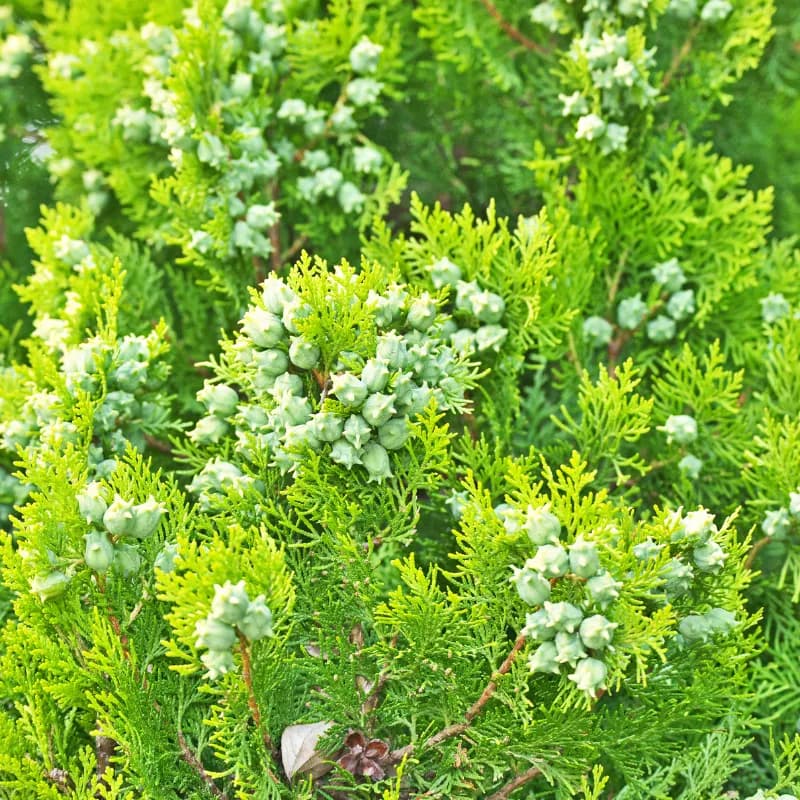
Pick cones by hand when they turn yellow or brown but before they open, then dry them in a warm place; most cones open within one to two days at about 30 °C (86 °F).

Oriental arborvitae seeds from Deodar

Sow oriental arborvitae seeds shallowly in a free-draining mix for an easy, low-maintenance hedge or specimen conifer.

Frequently asked questions

Do oriental arborvitae seeds need cold stratification?

Usually not. Fresh seed germinates at about 20 °C (68 °F) within three weeks. A month of cold, moist storage can help an older or slow seed lot.

Is oriental arborvitae the same as thuja?

It was long called Thuja orientalis, but it is now placed in its own genus, Platycladus. It looks similar to true thujas but has flat, vertical sprays of foliage and cones that look like small roses when they open.

How long before I can plant seedlings in the garden?

Nurseries usually plant them out at about two years old. Until then, grow them on in pots or a nursery bed.