Free EMS courier delivery across India
Cupressus Torulosa, Himalayan Cypress Seeds plant

Conifer growing guide

How to grow Himalayan cypress from seedCupressus torulosa

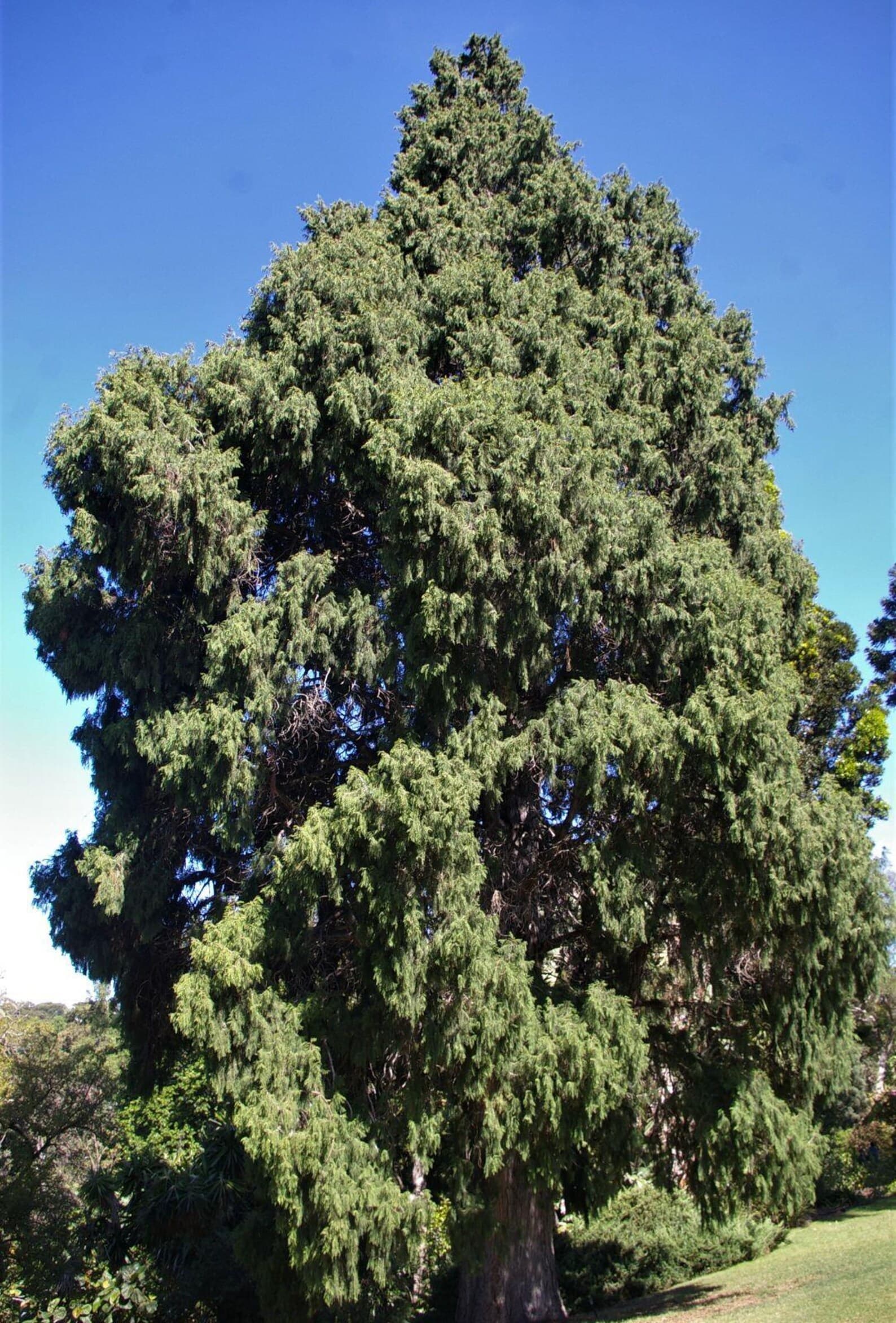
Himalayan cypress is a tall, upright conifer of the western Himalaya, raised from very small seed. Sow it shallowly, keep it cool rather than hot during germination and guard young seedlings against damping-off.

21 °C
Germination temp.
≈ 2-4 weeks
Germination
4-5 mm
Sowing depth

At a glance

Germination temperature
Cool and fluctuating: 21 °C (70 °F) days with 9 °C (48 °F) nights worked best in tests.
Sowing depth
4-5 mm (about 1/6-1/5 in) of fine soil plus a light mulch.
Germination time
About 2-4 weeks.
Light
Thin cover only; bright light once seedlings appear.
Pre-treatment
Stratify in damp sand; about 30 days is the general cypress recommendation.
Transplant or direct sow
Sow in trays or a nursery bed; plant out at 1-2 years.

Seed preparation

Seed preparation

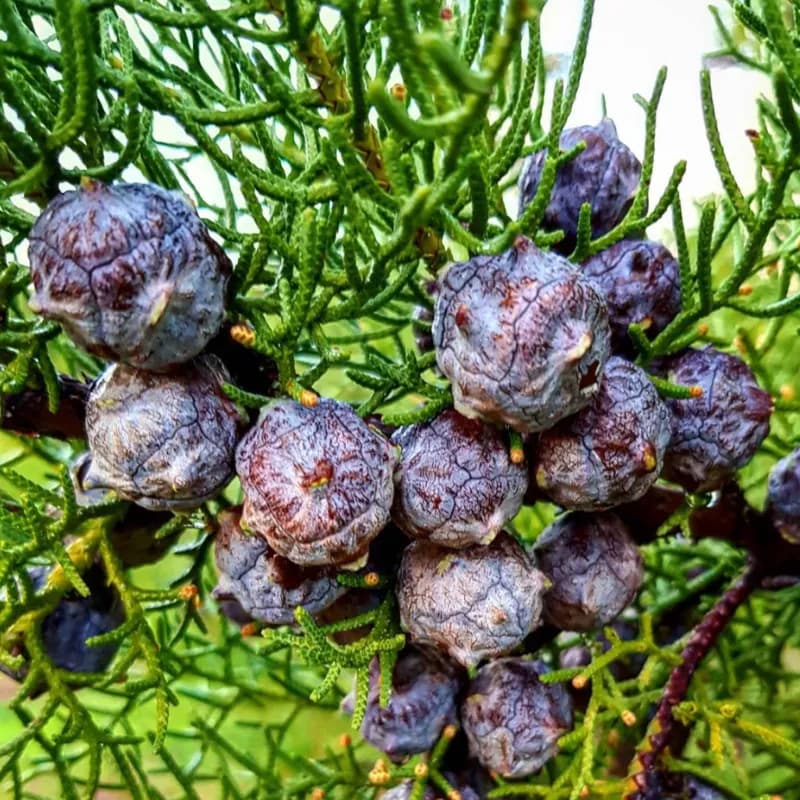
The seed is tiny, about 160,000-280,000 seeds per kg, and many seeds in a cone may be hollow, so sow generously. It is orthodox: it keeps for about 18 months in open storage and up to three years sealed. Store it dry in a sealed jar in the refrigerator.

Scarification

Not needed. The seed coat is thin and takes up water easily.

Stratification

Recommended. World Agroforestry advises stratifying the seed in damp sand before sowing; the USDA manual gives 30 days as the general period for cypress. Mix seed with slightly damp sand in a sealed bag and keep it in the refrigerator, then sow straight away.

Soaking

Not needed beyond moist stratification. If seed was stored very dry, a soak of a few hours before mixing with sand helps it absorb water evenly.

Cupressus Torulosa, Himalayan Cypress Seeds

Germination conditions

Germination temperature

Keep it cool. In tests cited by the USDA manual, unstratified Himalayan cypress seed gave 60% germination at 21 °C (70 °F) by day and 9 °C (48 °F) at night, but only 33% at a constant 25 °C (77 °F). Sow in spring in the hills, and in the cool season on the plains.

Sowing depth

Scatter seed thinly on the surface and cover with 4-5 mm (about 1/6-1/5 in) of fine soil or sand, then a light mulch. Deeper sowing smothers the small seedlings.

Growing medium

A light, free-draining mix. A Central Himalayan study found Himalayan cypress germinated better in sand after the seed had been air-dried for 15 days, so a sandy seed mix is a good choice.

Moisture

Evenly moist, never wet. Water with a fine mist or from below so the seed is not washed out.

Light

Germination happens under the thin cover. Give seedlings bright light, shaded from harsh midday sun in hot weather.

Germination time

World Agroforestry gives 40-60% germination in 14-28 days. Seedlings emerge over a few weeks rather than all at once.

Transplanting and first growth

  1. Pricking out

    Move seedlings to individual deep pots once the stems have firmed and the first juvenile needle-like leaves have formed. Handle them by the seed leaves.

  2. First growth stage

    Grow on in pots or a nursery bed in light shade, then full sun. Seedlings reach plantable size in 12-24 months.

  3. Planting out

    Plant at 1-2 years old into well-drained soil in a sunny position, with room for a tree that eventually reaches 15-25 m (50-80 ft).

Cupressus Torulosa, Himalayan Cypress Seeds

Common problems

ProblemSeedlings fall over at soil level
Cause
Damping-off. Cypress seedlings stay susceptible until their stems turn woody, about one month.
What to do
Use clean sandy mix, sow thinly, water in the morning and keep air moving.
ProblemVery few seeds germinate
Cause
Hollow seed, no stratification, or trays kept too warm.
What to do
Sow generously, stratify in damp sand and keep trays cool, with nights clearly cooler than days.
ProblemGermination stops in hot weather
Cause
Constant warmth near 25 °C (77 °F) or above cuts germination sharply.
What to do
Sow in spring in the hills or the cool season on the plains, and shade trays.
ProblemSeedlings sown too deep never appear
Cause
Covering the tiny seed with more than a few millimetres of soil.
What to do
Cover with no more than 4-5 mm.

Practical growing tips

Choose the right climate

Himalayan cypress is native from northern Pakistan to central Nepal and is a temperate tree. It is frost resistant and does best in the hills; in hot plains it is harder to grow.

Suit the soil

In the wild it prefers calcareous (limestone) soils, so it is a good choice for alkaline, well-drained ground.

Plan for its size

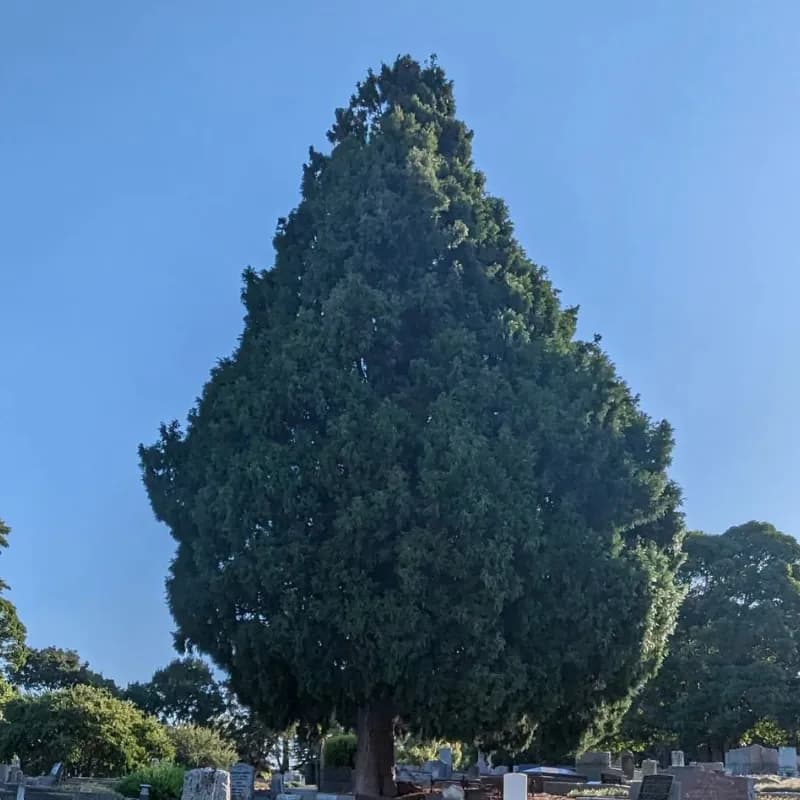
It grows into an upright tree of 15-25 m (50-80 ft), occasionally much taller, and is planted as a windbreak and ornamental tree. Do not plant it close to buildings.

Kashmir cypress is different

The weeping Kashmir cypress (Cupressus cashmeriana) is a separate species with its own Deodar guide; it is less frost hardy than Himalayan cypress.

Cypress seeds from Deodar

Sow Himalayan cypress seeds shallowly in cool weather for a tall, hardy windbreak or specimen tree.

Frequently asked questions

Do cypress seeds need stratification?

It helps. Stratify the seed in damp sand for about 30 days, then sow. Unstratified seed can still germinate if kept at cool day and night temperatures.

Why did so few of my cypress seeds come up?

Cypress cones contain many hollow seeds, and warm, constant temperatures reduce germination. Sow generously, cover only 4-5 mm and keep trays cool.

Can I grow Himalayan cypress on the Indian plains?

It is a temperate hill tree and grows best in the Himalaya and other cool hill areas. On the plains, raise seedlings in the cool season and give them shade in summer.