Seed preparation
Sow dry seed. Commercial growers rely on hot-water-treated seed (50°C / 122°F for 25-30 minutes) to control seed-borne diseases; this is best left to the seed supplier.

Vegetable growing guide
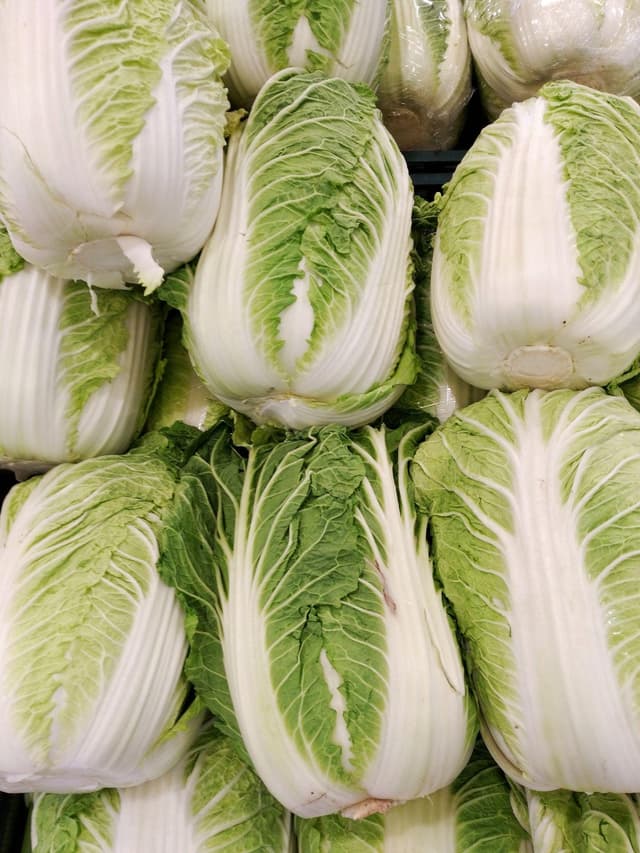
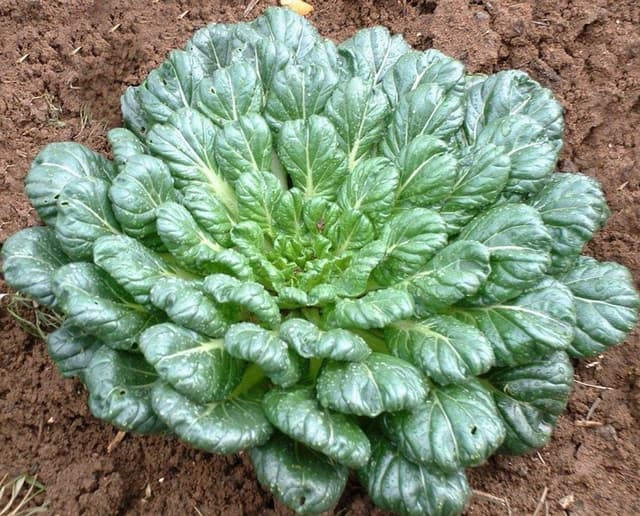
Napa cabbage, pak choi, tatsoi and komatsuna are fast Asian greens of the species Brassica rapa, ready in 25 to 100 days depending on type. They germinate in days but bolt easily, so the right sowing time is the most important decision.
Sow dry seed. Commercial growers rely on hot-water-treated seed (50°C / 122°F for 25-30 minutes) to control seed-borne diseases; this is best left to the seed supplier.
Not needed. The small seeds absorb water quickly.
Not needed, and cold is harmful after germination: exposing young plants to cold is what triggers bolting.
Not needed. Seed emerges in 3-5 days in warm, moist soil.

Keep the seed at 20-25°C (68-77°F). Do not start seed in a cold room or outdoors in cold spring weather: seedlings that sit at 5-13°C (41-55°F) can become vernalized and bolt later.
PROSEA gives about 1 cm (1/2 inch) for pak choi; the RHS recommends 2 cm (3/4 inch). Use the shallower depth in heavy soil and the deeper one in light, fast-drying soil.
A fine, peat-free seed compost in modules, or a fertile, moist, well-drained bed. Sowing one or two seeds per cell avoids root disturbance at transplanting.
Keep evenly moist. Dry soil checks growth and promotes early bolting and tough leaves.
Seed germinates under its soil cover. Give full light at emergence to avoid stretched seedlings.
3-5 days at 20-25°C (68-77°F); about one week at cooler temperatures.
Thin to one seedling per cell at 2-3 true leaves. Transplant napa cabbage at 5-8 leaves, about 3-4 weeks after sowing, and pak choi at or before the 5-leaf stage. Plant to the depth of the first leaves without breaking the root ball.
Napa (heading) types: 30-50 cm (12-20 inches) in the row, rows about 60 cm (2 feet) apart. Full-size pak choi: 15-20 cm (6-8 inches). Tatsoi: about 20 cm (8 inches). Baby-leaf pak choi and komatsuna: 8-10 cm (3-4 inches).
Napa cabbage heads best at 12-22°C (54-72°F); above 25°C (77°F) most temperate varieties fail to head, though heat-tolerant varieties now make lowland tropical crops possible. Pak choi is more forgiving and is grown year-round in the tropical lowlands.
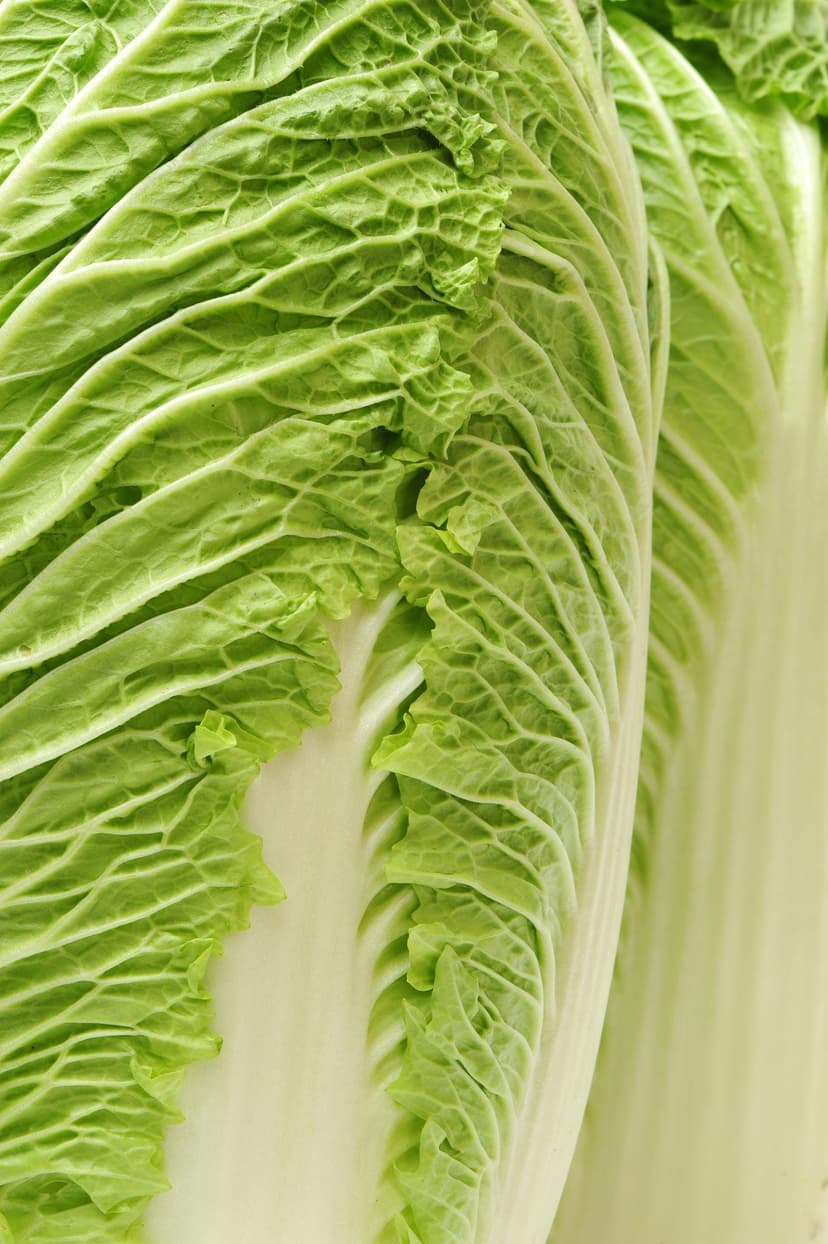
Napa cabbage needs the longest cool window (about 50-100 days from sowing). Pak choi is ready in 30-50 days, tatsoi in 25-45 days, and baby leaves of pak choi or komatsuna from about 30 days.
In the plains, sow napa cabbage as the weather cools after the monsoon so heads form in the coolest months. In the tropics napa grows best at 500-1500 m unless you choose heat-tolerant varieties; pak choi can be sown much of the year.
Small sowings every few weeks give a steady harvest of pak choi, tatsoi and komatsuna and reduce losses if one batch bolts.
If flower stems appear, harvest the whole plant at once; the young flower shoots are edible before the buds open.
Grow napa cabbage, pak choi, tatsoi and komatsuna from our Brassica rapa seed range.
Pak choi bolts after its seedlings experience cold and when days are long or the soil is dry. Sow in late summer or autumn, keep it watered, and harvest young.
Sow so heads form in cool weather: late summer and autumn in temperate climates, and after the monsoon in the Indian plains. Spring sowings often bolt after cold nights.
Largely yes. All three are Brassica rapa greens with similar sowing depth, spacing and pests. Tatsoi is quickest, at about 25-45 days, and is sensitive to long days.