
Seed preparation
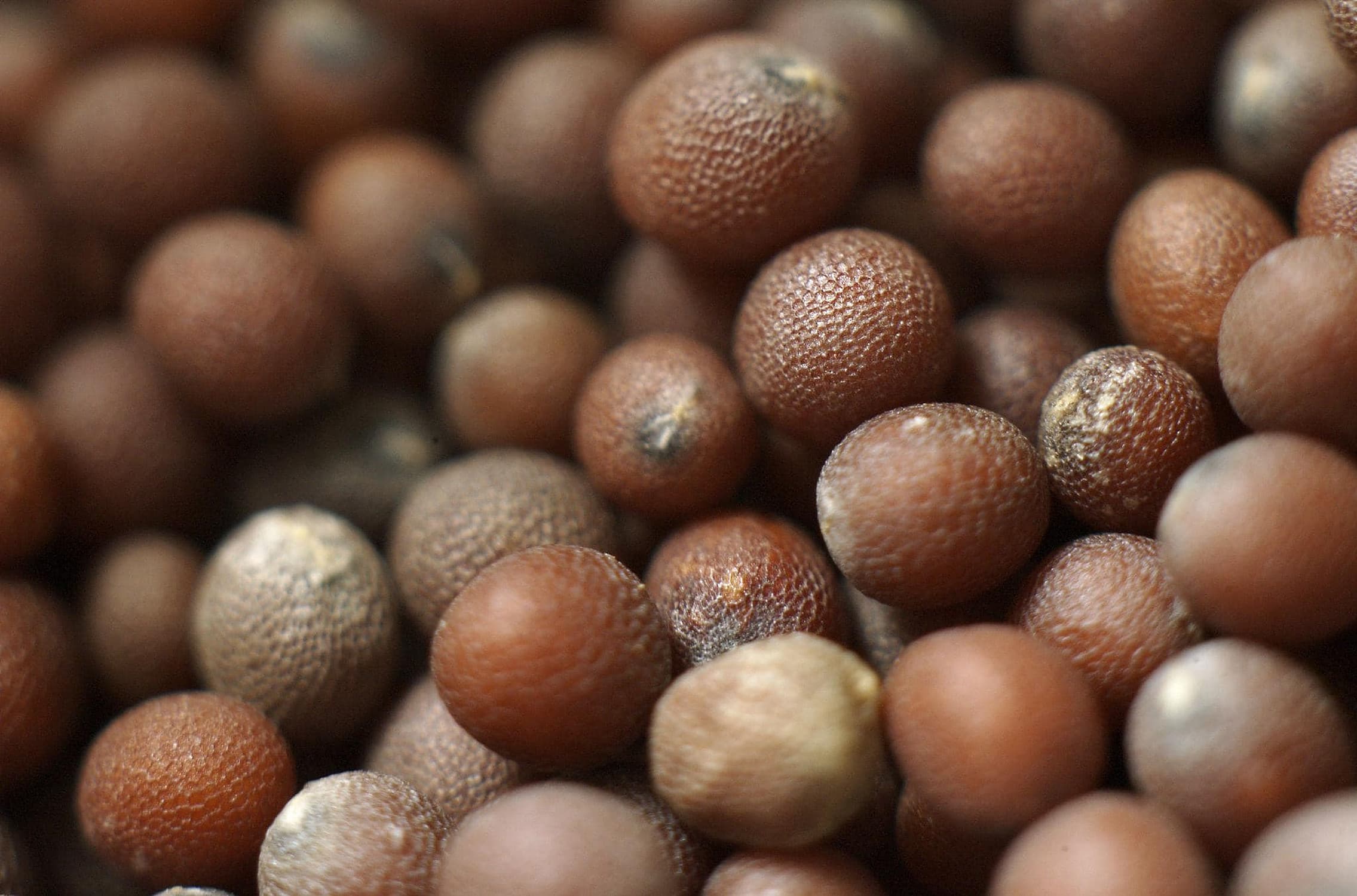
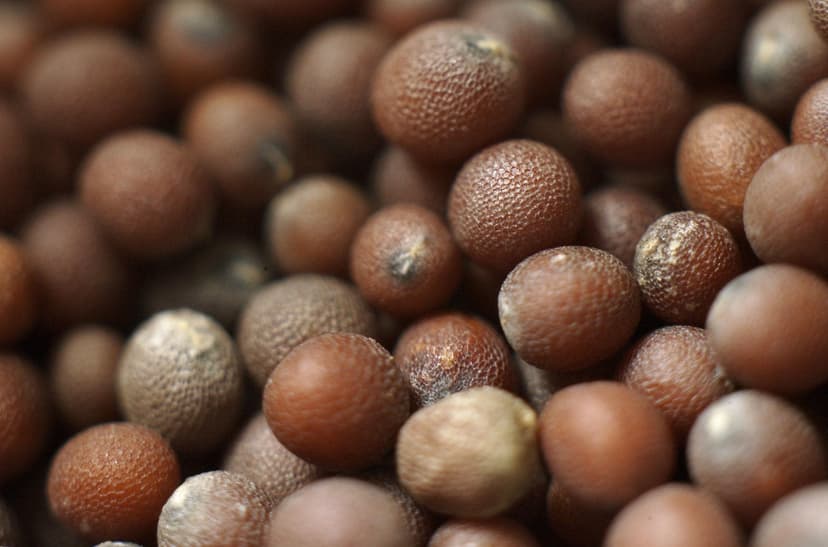
Turnip seed is small and round. Sow it straight from the packet; for even rows you can mix it with dry sand. The field seed rate in India is 3-4 kg/ha.
Vegetable growing guide
Turnip is a quick cool-season root crop: sow it directly, thin early and keep the soil evenly moist. Roots are best pulled young, at 5-7.5 cm across, and the leaves are a useful green.
Turnip seed is small and round. Sow it straight from the packet; for even rows you can mix it with dry sand. The field seed rate in India is 3-4 kg/ha.
Not needed. The seed absorbs water readily.
Not needed. Turnip germinates without any cold treatment.
Not needed. Instead, NHB recommends a pre-sowing irrigation of the bed 3-4 days before sowing, which improves germination.
Turnip seed germinates from about 4 °C (40 °F) up to 41 °C (105 °F), fastest near 29 °C (85 °F). Roots, however, develop best in cool weather and turn poor in heat, so time sowings for a cool growing period.
About 1-2 cm (1/2-3/4 in); stay at the shallow end in moist, heavy soil.
A well-dug, clod-free, fertile soil with pH 6.0-7.5. Clods and fresh manure cause misshapen and forked roots.
Keep the seedbed moist until emergence and then water steadily. Dry spells make roots bitter and woody; avoid waterlogging.
Sun or light shade. Seed does not need light to germinate.
About 10 days, quicker in warm soil.
Do not transplant. In India sow tropical varieties at 30 x 10 cm (12 x 4 in). In gardens sow seeds 2.5-5 cm (1-2 in) apart in rows 45-75 cm (18-30 in) apart.
Start thinning once true leaves appear, leaving 7.5-15 cm (3-6 in) between plants depending on the root size you want. Thinned seedlings can be eaten as greens.
Weed carefully while the plants are small and keep the soil evenly moist; quick, steady growth gives tender, mild roots.
On the plains sow Asiatic (tropical) types from the end of July to September and European (temperate) types from September to December; in the hills sow from March to May. In temperate climates sow in spring and again in late summer for an autumn crop.
Quick Asiatic types such as Pusa Sweti (45-50 days) and Pusa Chandrima (55-60 days) suit the plains; temperate types such as Pusa Swarnima (65-70 days), Snowball (about 55 days) and Purple Top White Globe need cooler weather.
Plough or dig thoroughly to break clods and mix in well-decomposed manure (NHB uses 15-20 t/ha) before sowing.
Sow small amounts every few weeks through the cool season so roots are always picked young.
Sow turnips directly in the cool season and pick the roots young and tender.
 Brown mustard SeedsBrassica junceafrom
 Brussel sprout SeedsBrassica oleracea var. gemmiferafrom
 Cabbage Express SeedsBrassica oleraceafrom
 Cabbage pride of india SeedsBrassica oleraceafrom
 Cabbage red SeedsBrassica oleraceafrom
 Cauliflower green, Broccoli SeedsBrassica oleraceafrom
On the plains, Asiatic types from the end of July to September and European types from September to December. In the hills, from March to May.
Usually dry soil, hot weather or roots left in the ground too long. Water steadily and pull roots at about 5-7.5 cm (2-3 in) across.
Yes. Thinnings and young tops are cooked as greens; leave enough leaves on each plant for the root to keep growing.