
Seed preparation
Use seed from fully ripe pods that have turned yellow. Dry seed keeps for about two years at room temperature, and longer sealed at 4 °C (39 °F) or below with moisture under 10%.
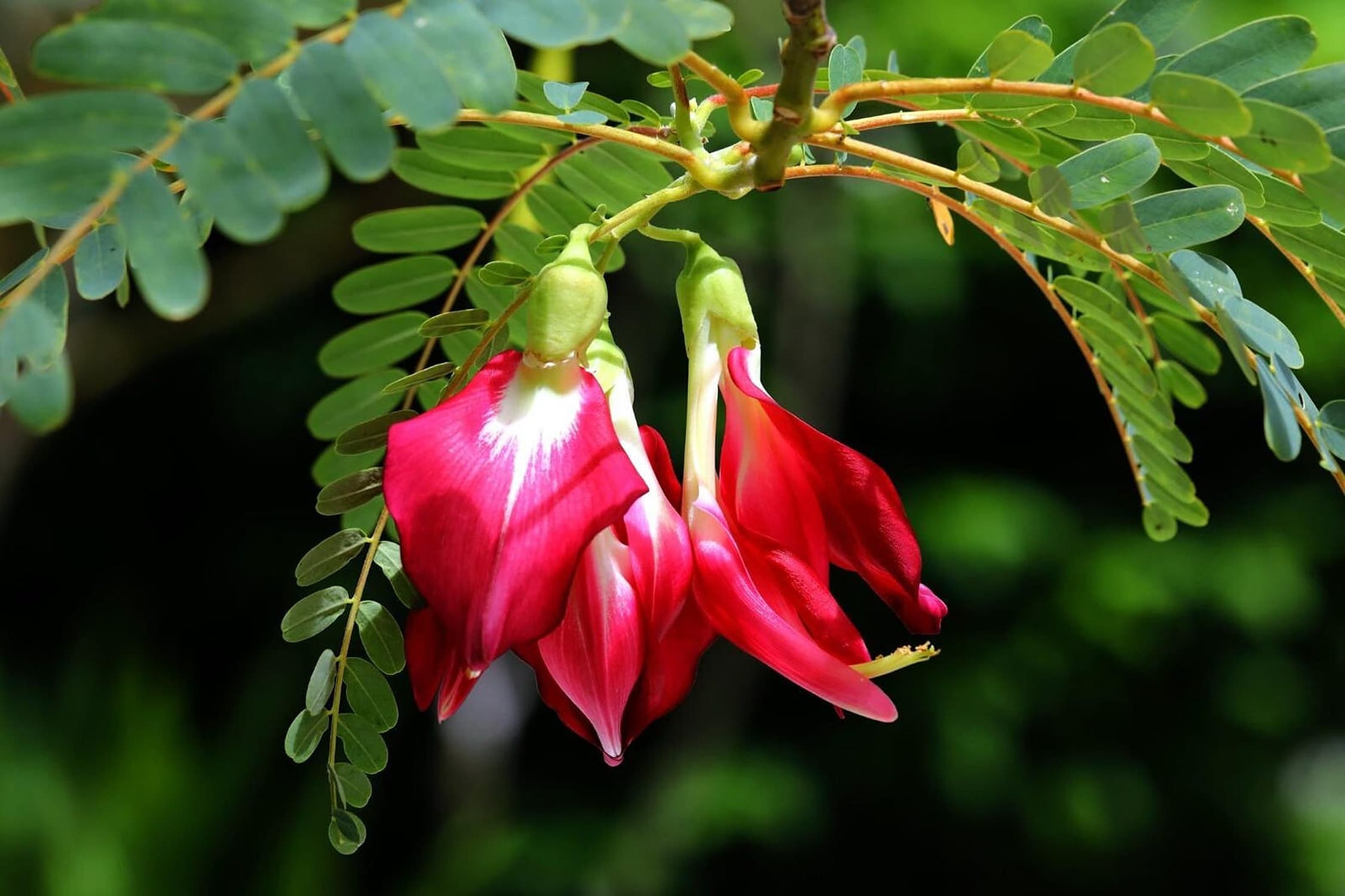
Tree growing guide
Agathi (Sesbania grandiflora) and sesban (Sesbania sesban) are fast, nitrogen-fixing tropical trees that grow easily from seed. Agathi seed needs no treatment; sesban seed is hard and needs a hot-water soak.
Use seed from fully ripe pods that have turned yellow. Dry seed keeps for about two years at room temperature, and longer sealed at 4 °C (39 °F) or below with moisture under 10%.
Agathi seed is not hard and usually germinates without scarification; nicking the rounded end (away from the seed leaves) only makes emergence more even. Sesban seed is hard: after hot-water treatment, nick or rub with sandpaper any seed that has not swollen by day 4.
Not needed. Both are tropical plants and need warmth, not cold.
Agathi: optional soak in cold or lukewarm water for 24 hours. Sesban: place the seed in water at 80 °C (176 °F) for 8 minutes, then sow; this method was validated on more than 1,000 seed lots by ILRI.
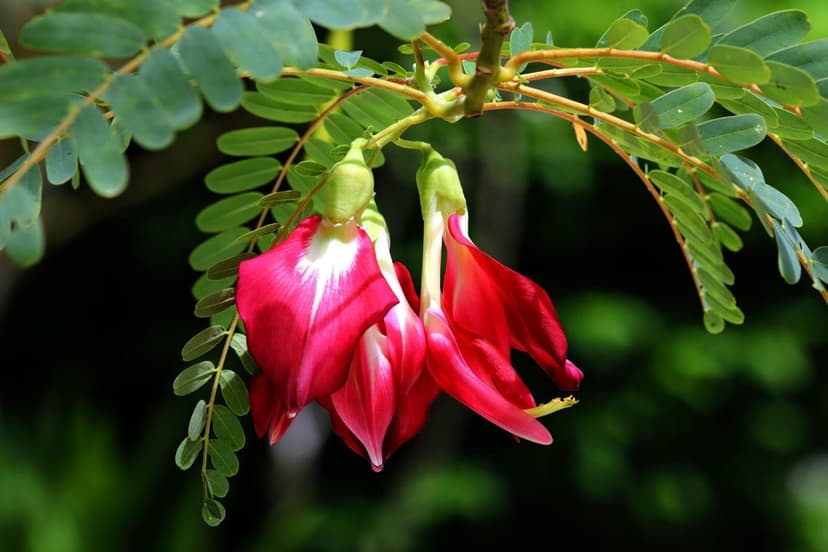
Sow in warm weather. Agathi is adapted to lowland tropics up to about 800-1,000 m with mean annual temperatures of 22-30 °C (72-86 °F), and does poorly in cool hill areas. Across most of India sow with the onset of the monsoon.
Sow shallowly and cover with soil about as thick as the seed.
Well-worked garden soil or a loamy potting mix in polybags. Sesbania tolerates heavy clay, acid soils down to pH 4.5, salinity and poor fertility, but grows best in deep, well-drained loam.
Keep the soil moist until seedlings are up. Unlike most trees, sesbania tolerates waterlogging and short flooding, so wet paddy bunds and field edges suit it.
Light is not needed for germination. Grow seedlings in full sun.
In an Indian nursery trial agathi averaged about 14 days to germinate with 83% germination; pretreated seed reaches 85-90%. Hot-water-treated sesban germinated fully within 10 days, against only 48% after 14 days for untreated seed.
Sow two or three seeds per polybag and keep the strongest seedling. Plant out after about a month, when seedlings are 15-20 cm (6-8 in) tall, after hardening them in full sun for a few days.
For a vegetable or fodder row, plant about 1.5-2 m (5-6.5 ft) apart; along fences and field borders 1-2 m apart. Dig a hole with compost or manure for each plant.
Growth is very fast: agathi can reach about 2 m in 12 weeks. Weed and water in the first weeks to speed establishment. The roots nodulate freely, so no nitrogen fertilizer is usually needed.
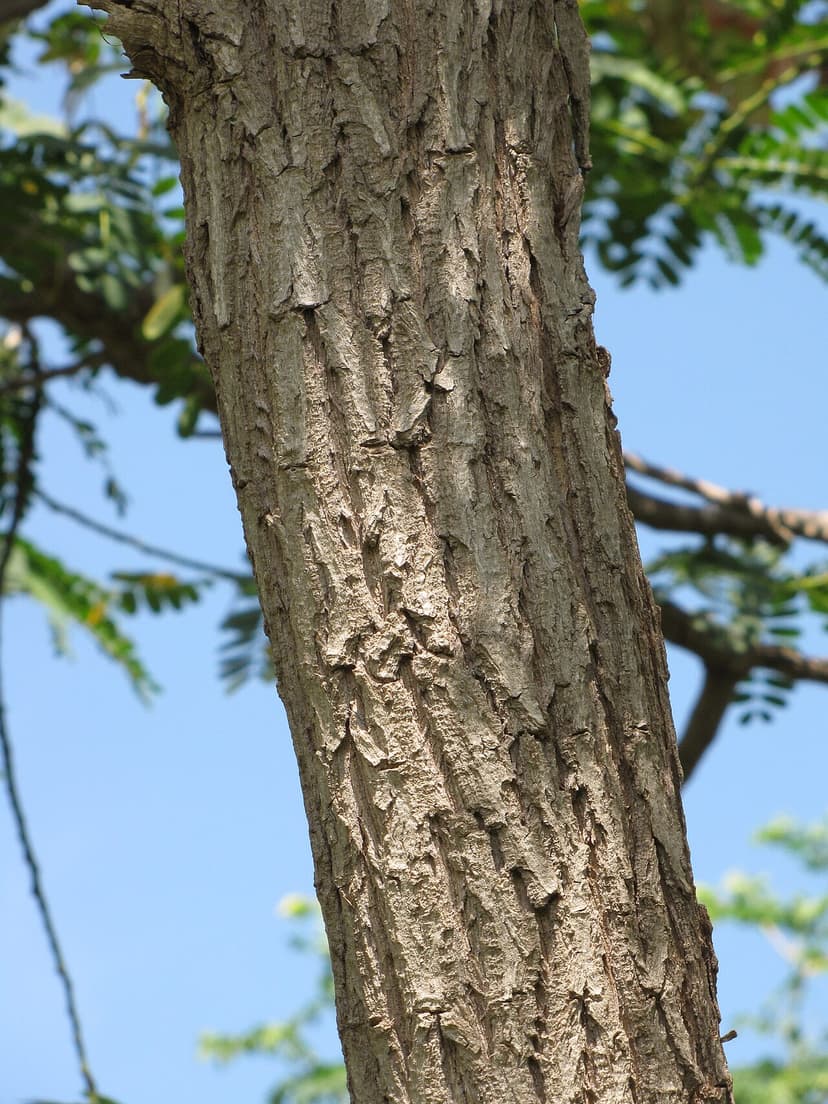
Agathi leaves can be picked about 8 months after planting and flowers after about a year.
Agathi is not wind resistant; plant it where it is protected from strong winds.
Agathi leaves are a high-protein fodder for goats and cattle in moderation, but leaves and seed are toxic to chickens and other poultry, and the seed is poisonous to fish.
Sesban and the related dhaincha (Sesbania bispinosa) are grown as nitrogen-fixing green manure and hedgerows; give their hard seed the same hot-water treatment as sesban.
Sesbania seeds freely and is rated a moderate weed risk; collect pods if you do not want seedlings.
Sow agathi as it is and give sesban seed a short hot-water soak for quick, even seedlings.
No. Agathi seed is not hard and usually germinates without treatment. A 24-hour soak in cool water is optional. Sesban seed does need hot water.
Yes. Agathi has outstanding tolerance of waterlogging and short flooding and forms floating roots when flooded.
Goats and cattle can eat it as part of their feed, but do not feed the leaves or seed to chickens or other poultry; they are toxic to them.

