
Seed preparation
No special preparation. Store seed cool and dry until sowing: in trials, seed kept at 5 °C (41 °F) germinated better and more evenly than seed stored at 15-25 °C.
Flower growing guide
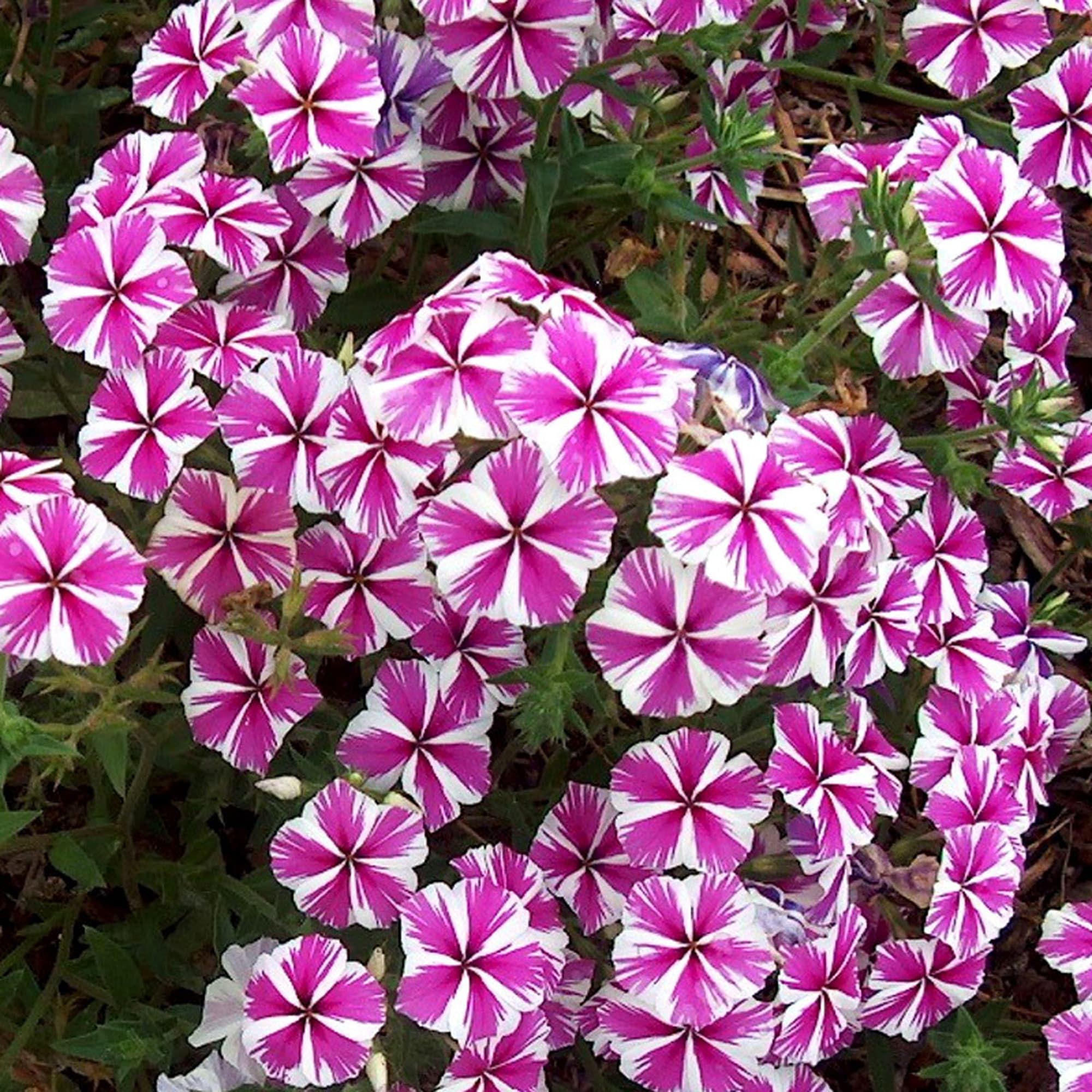
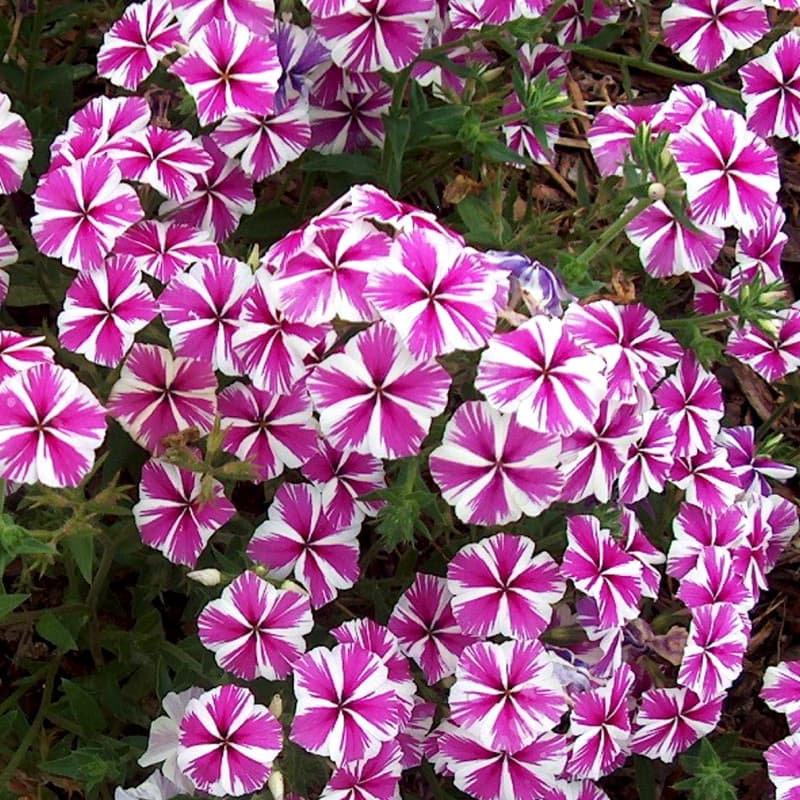
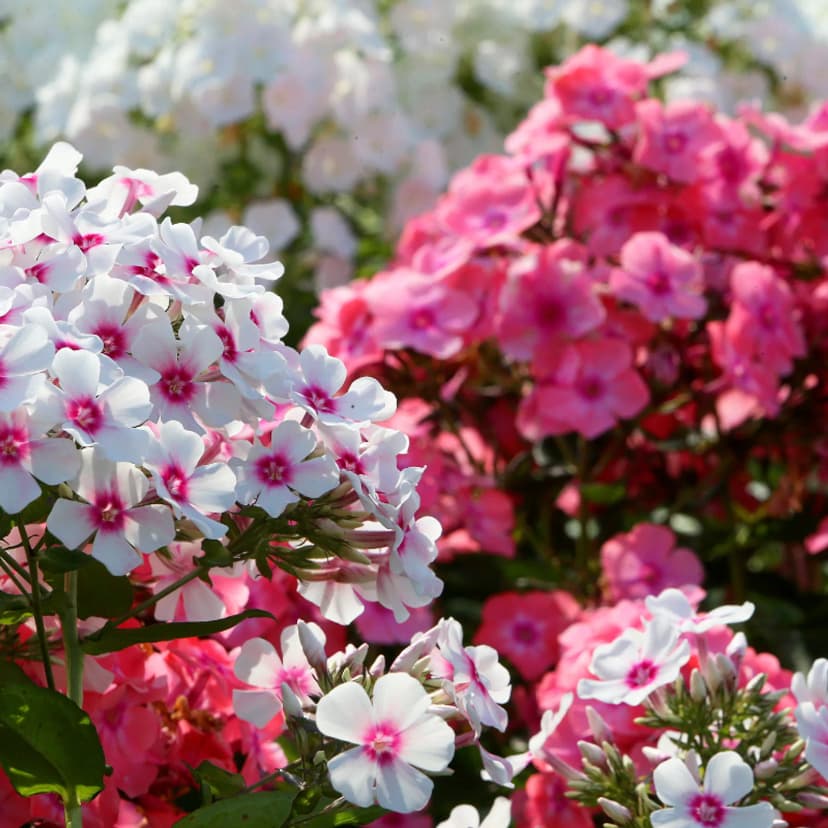
Star phlox is a compact annual with clusters of star-shaped flowers in white, pink, red and purple. It germinates in cool conditions and fails in heat, so time the sowing to the cool season.
No special preparation. Store seed cool and dry until sowing: in trials, seed kept at 5 °C (41 °F) germinated better and more evenly than seed stored at 15-25 °C.
Not needed. The seed coat lets water in freely.
Not needed. Annual phlox germinates without a cold period; freshly harvested seed can be slower to start than stored seed.
Not needed.
Germination is high between 10 and 25 °C (50-77 °F) and stops completely at 30 °C (86 °F). Day-night swings speed it up compared with a constant temperature, so an unheated greenhouse or a cool windowsill works well.
Cover lightly, no deeper than about 1 cm (0.4 in). Outdoors, scatter the seed evenly and rake it into loosened topsoil for good seed-soil contact.
Fine, free-draining seed compost in trays. Outdoors, sandy, moderately fertile, well-drained soil; acid to neutral and even alkaline soils are tolerated.
Keep the compost evenly moist but never wet until seedlings appear, then let the surface dry slightly between waterings.
No light is needed while the seed is covered. Give bright light as soon as seedlings appear to prevent leggy growth.
About 7-10 days.
Prick out tray-sown seedlings into individual pots at the 2-3 true-leaf stage, keeping the root ball intact. Plant out after frost in cool climates, or in the first week of November on the North Indian plains.
Plants grow 15-30 cm (6-12 in) tall and about as wide, so space them roughly their own width apart for a full, airy bed; Punjab growers use about 30 x 30 cm.
Pinching out the growing tip of young plants makes them bushier. Weed carefully while plants are small.
On the North Indian plains sow in the second half of September, once day temperatures fall below 30 °C (86 °F), and transplant in the first week of November for flowers through winter and spring; Punjab Agricultural University warns that planting after mid-November reduces the crop. In the hills, sow in spring for summer flowers.
Annual phlox has moderate to high drought tolerance. Water during long dry spells, especially in autumn, winter and spring if rain is scarce, but avoid soggy soil.
Deadhead regularly. Once plants are left to set seed, they decline.
The capsules burst open when ripe. Collect them as they turn from green to light tan and let them finish drying in a paper bag. Seedlings from mixtures may vary in colour and petal shape.
Where winters are mild, plants left to drop seed can come up again on their own next season.
Sow star phlox in the cool season for a long display of bright, star-shaped flowers.
On the North Indian plains sow annual phlox in the second half of September and transplant in the first week of November, about 35-40 days after sowing. Punjab Agricultural University notes that planting later than mid-November gives weaker plants. In the hills sow in spring.
No. Star phlox is a form of annual phlox (Phlox drummondii). It flowers, sets seed and dies in one season; perennial garden phlox is a different species.
Annual phlox does not germinate at 30 °C (86 °F). Sow it when temperatures are between 10 and 25 °C (50-77 °F).
Yes. Its compact size suits pots and balcony boxes. Use a free-draining mix and avoid overwatering.
