Seed preparation
Key lime fruits hold about 10-15 seeds. Wash them free of pulp and sow soon. To keep seed for a while, dry the surface, seal it in a plastic bag and store it in the fridge at about 4 °C (39 °F); it keeps for several months.
Fruit growing guide
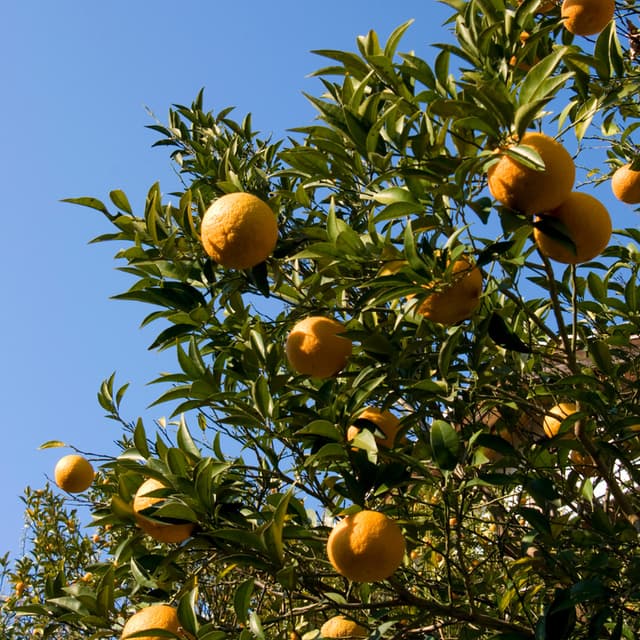
Acid lime, also called Kagzi, Key or Mexican lime, is one of the few citrus fruits commonly grown from seed. Sow seed fresh and warm, and expect fruit in about four to five years.
Key lime fruits hold about 10-15 seeds. Wash them free of pulp and sow soon. To keep seed for a while, dry the surface, seal it in a plastic bag and store it in the fridge at about 4 °C (39 °F); it keeps for several months.
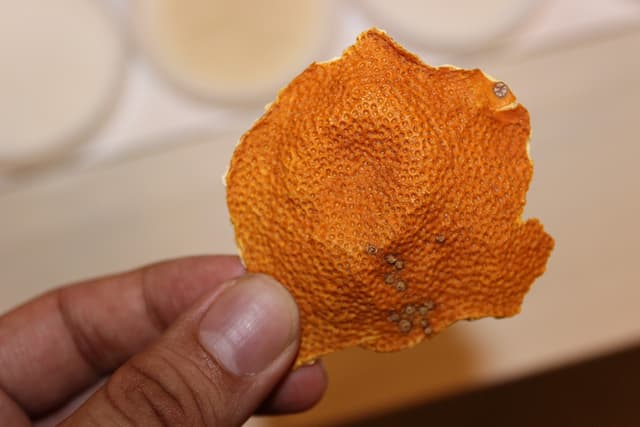
Not needed, but peeling off the tough outer seed coat makes germination faster and more even, within a few days. After soaking, nick the coat at the pointed end and peel it carefully without damaging the seed inside.
Not needed. Lime is a tropical tree whose seed needs warmth, not cold.
Soak seed that has dried a little in water at about 29 °C (85 °F) for 24 hours. UF/IFAS uses this to raise and even out germination and shorten the wait.
Keep pots warm, close to the 29 °C (85 °F) used for pre-soaking. Cold, wet mix slows germination and invites rot; in temperate climates use a heated propagator or a warm windowsill. In most of India seed can be sown outdoors in a shaded nursery.
One seed per cell or small pot, 0.5-1 cm (1/4-1/2 in) deep.
Sterile, free-draining mix such as cocopeat or peat with perlite. Clean mix and pots matter because Phytophthora damping-off is the main seedling disease.
Keep the mix moist but never waterlogged.
Not needed for germination; give bright light as soon as shoots appear.
Peeled seed comes up within a few days; seed with its coat on is slower and less even, so wait several weeks before giving up.
One lime seed often gives two or more shoots. Most are nucellar seedlings, identical to the mother tree; the odd weak or unusual-looking seedling is usually a seedling from cross-pollination. Keep the vigorous, uniform ones and remove the off-types.
Pot seedlings on as they fill their cells, and plant them out when they are sturdy young trees, at the start of the rains or with irrigation. TNAU plants acid lime 5-6 m (16-20 ft) apart in 75 cm (30 in) pits filled with soil and manure, with the root collar at ground level.
Water thoroughly after planting, then every 7-10 days once established, never leaving roots waterlogged. In the first years remove weak, crossing and low branches to build a sturdy frame.
TNAU's acid lime trees bear from the third year after planting; UF/IFAS says seedlings take a year or two longer than grafted trees, which usually fruit within three years.
TNAU gives each tree well-rotted manure plus nitrogen, phosphorus and potassium that increase every year until the sixth, and zinc sulphate sprays three times a year.
Use a large container with drainage holes, full sun and regular watering and feeding. Move it indoors before temperatures fall to 0 °C (32 °F).
Key lime has slender branches with short to medium thorns; wear gloves when pruning and picking.
Sow lime seed fresh and warm to raise your own Kagzi lime tree.
Often, because lime seed usually contains extra embryos that grow into copies of the mother tree. Indian studies still report variation in seed-raised acid lime, so keep the most vigorous, uniform seedlings.
Usually four to five years: grafted trees fruit in about three years, and seedlings take a year or two longer.
The seed may have dried out, or the mix is too cold. Sow fresh seed, soak dried seed for 24 hours in warm water and keep the pots warm.