
Seed preparation
Wash the seeds free of pulp and sow them soon. Citrus seed does not tolerate hard drying. To keep it for a while, store it in a sealed plastic bag in the fridge at about 4 °C (39 °F); it keeps for several months.
Fruit growing guide
Lemon seed sprouts quickly if it is sown fresh and kept warm and moist, and one seed may give more than one seedling. Seed-grown trees are slow to fruit, so they are mostly raised as rootstocks or pot plants.
Wash the seeds free of pulp and sow them soon. Citrus seed does not tolerate hard drying. To keep it for a while, store it in a sealed plastic bag in the fridge at about 4 °C (39 °F); it keeps for several months.
Not needed, but peeling the tough outer seed coat makes germination faster and even, within a few days. After soaking, nick the coat at the pointed end and peel it carefully without damaging the seed inside.
Not needed. Lemon is a subtropical tree whose seed needs warmth, not cold.
Soak seed that has dried a little in water at about 29 °C (85 °F) for 24 hours. This increases and evens out germination and shortens the wait.
Keep pots warm, close to the 29 °C (85 °F) used for pre-soaking. Cold, wet compost slows germination and invites rot; in temperate climates use a heated propagator or a warm windowsill.
One seed per cell or small pot, 0.6-1.3 cm (1/4-1/2 in) deep.
Sterile, free-draining mix such as peat or coir with perlite. Sterile mix and clean pots matter because Phytophthora damping-off is the main seedling disease.
Keep the mix moist but never waterlogged.
Not needed for germination; give bright light as soon as shoots appear.
Peeled seed comes up within a few days; seed with its coat on is slower and less even, so wait several weeks before giving up.
Citrus seeds are usually polyembryonic: one seed can send up two or more shoots. Most are clones of the mother tree; the odd, usually weakest one is the sexual seedling. Remove off-types if you are raising uniform rootstocks.
Move strong seedlings into deeper pots once they are tall enough to handle and discard stunted ones. Keep pots off the ground, on benches or shelves, so soil splash does not spread disease.
To get a known variety, bud it onto the seedling; in India T-budding is done in spring or September and the bud unites in 3-4 weeks. Plant in full sun with the bud union at least 15 cm (6 in) above soil to reduce foot rot, 6-7.6 m (20-25 ft) from buildings and other trees.
A seed-grown citrus tree can take 10-15 years to fruit; grafted lemons usually start in the third year. Indian nurseries use seedlings of rough lemon, Rangpur lime and other stocks as rootstocks.
Lemons do best in semi-arid subtropical or Mediterranean climates and are cold-tender: frost at -1.7 °C (29 °F) kills flowers and young fruit. In cold regions grow them in pots and bring them indoors in winter.
Well-drained soil, ideally pH 5.5-6.5; rough lemon rootstock suits high-pH soils. Avoid waterlogging, especially in the monsoon.
Pick full-sized fruit at light green and let it turn yellow indoors; this gives smoother peel and more juice.
Sow lemon seed fresh and warm for vigorous seedlings, rootstocks and pot plants.
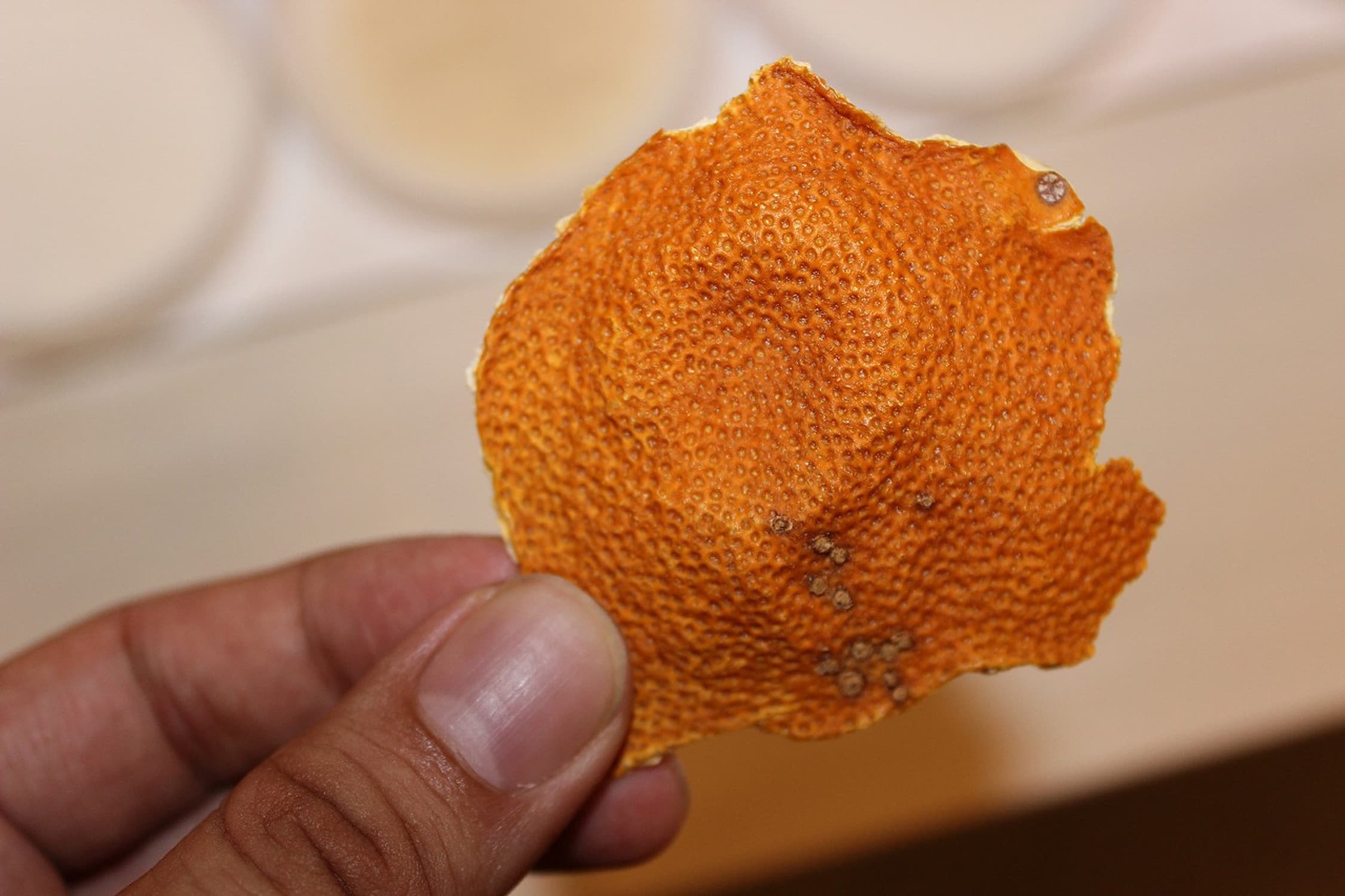
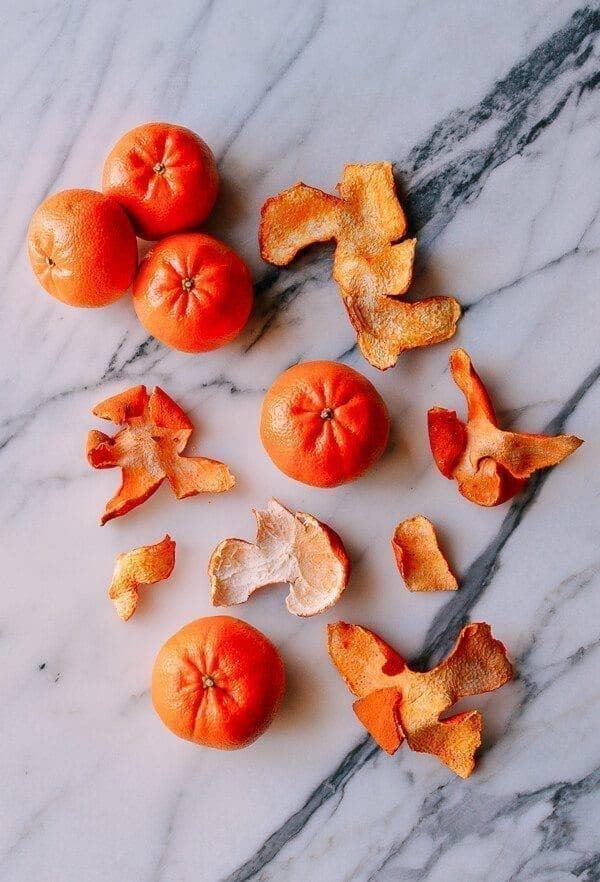
 Dried Tangerine Peel, Mandarin Peel – 20 g Craft Material (Not Seeds)Citrus reticulatafrom
 Dubek Lemon Nicotiana SeedsNicotiana tabacumfrom
 Hot pepper Jalapeno NuMex lemon SeedsCapsicum annuumfrom
 Lemon Balm, Chamomile & Lemongrass — 3 Seed SelectionsMelissa officinalis; Matricaria chamomilla; Cymbopogon citratusfrom
 Lemon balm SeedsMelissa officinalisfrom
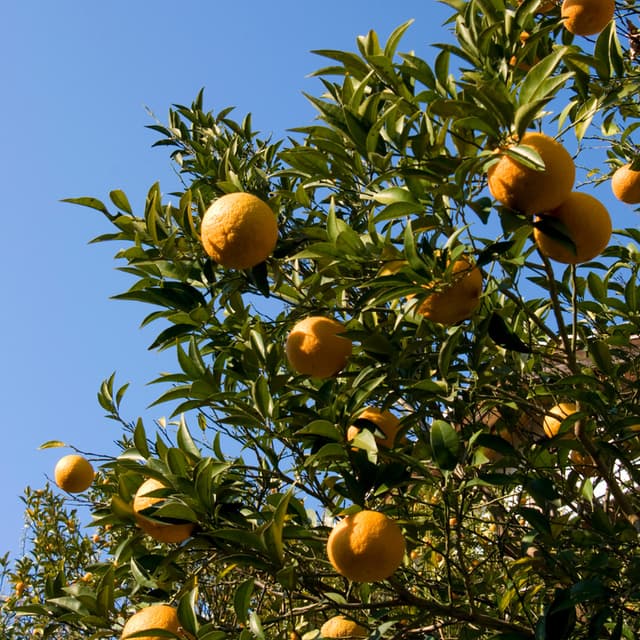 Orange sweet SeedsCitrus × aurantiumfrom
Citrus seeds are usually polyembryonic. Most extra seedlings are clones of the mother tree; one may be a sexual seedling that differs from it, usually the weakest.
Yes, but slowly: a seed-grown citrus tree can take 10-15 years, while grafted lemons start in about the third year.
No. Lemon seed needs warmth and must not dry out. Sow it fresh or after a 24-hour soak in warm water.