
Seed preparation
Use stones from fully ripe fruit, scrub off all flesh and let them surface-dry for a day or two. Stones from early-ripening varieties often hold an immature kernel that rarely grows, so late-season fruit is a better seed source.
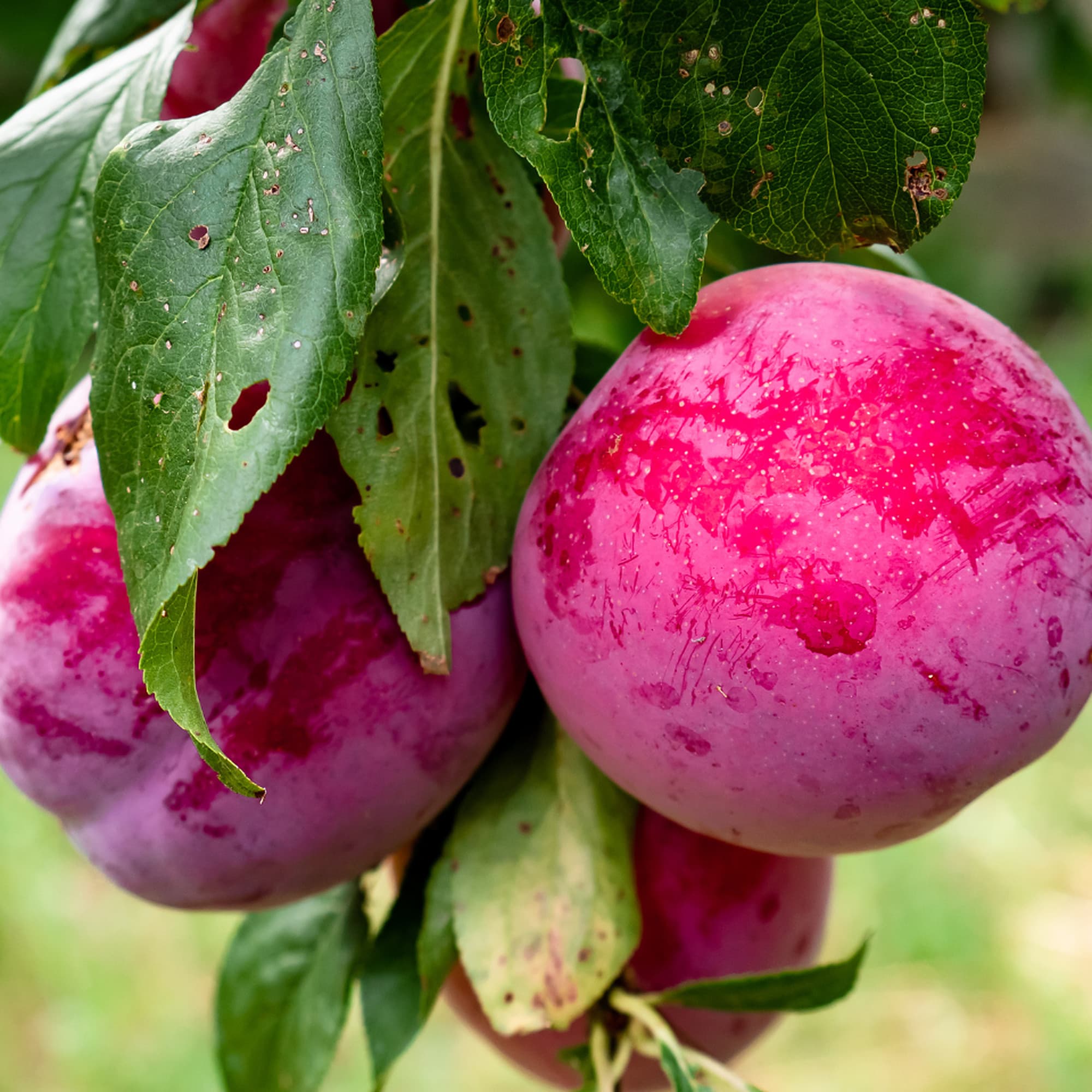
Fruit tree growing guide
Peach stones need about three months of moist cold before the kernel inside will sprout, and germination improves a lot when the hard shell is removed. Seedlings make good rootstocks and interesting trees, but they do not repeat the fruit of the parent variety.
Use stones from fully ripe fruit, scrub off all flesh and let them surface-dry for a day or two. Stones from early-ripening varieties often hold an immature kernel that rarely grows, so late-season fruit is a better seed source.
The shell is not waterproof, so peach is not truly hard-seeded, but the shell slows and reduces germination. Crack it carefully in a vice or with nut crackers, pressing along the seam, and take out the almond-like kernel without bruising it. In USDA tests germination rose from 32% for intact stones to 82% for shelled kernels.
Essential. Place kernels or stones in damp sand, coir or vermiculite in a closed bag in the refrigerator at 2-6 °C (36-43 °F). Allow about 90 days; intact stones benefit from 100 days or more. Check every two weeks, keep the medium just moist and remove any mouldy seed.
Soak shelled kernels in water for a few hours before stratification so they start evenly moist. Long soaking is not needed and does not replace the cold period.
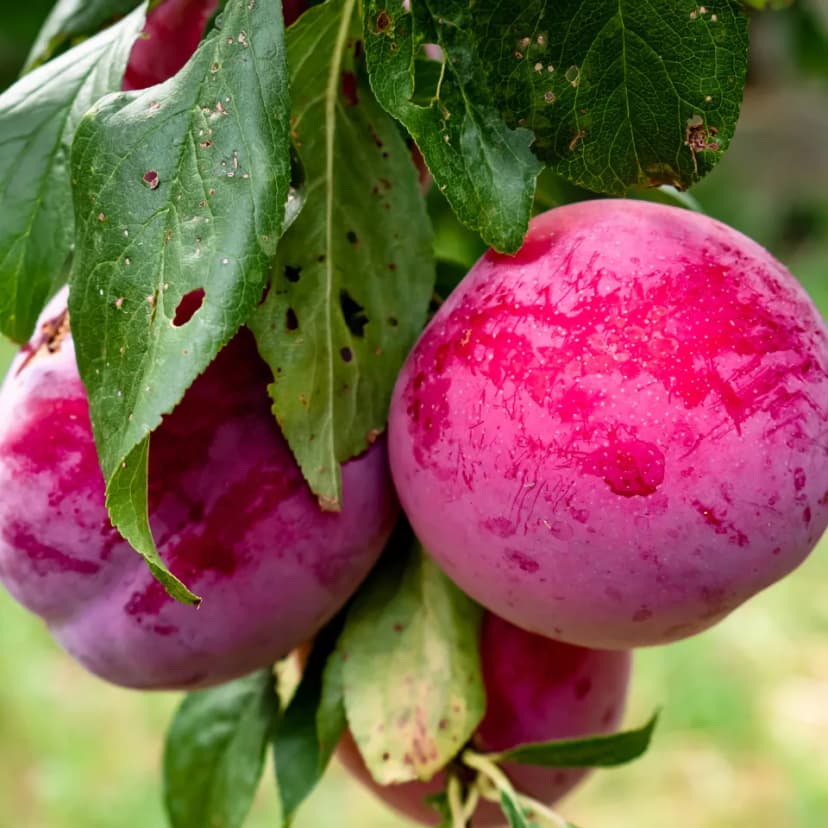
Cold breaks dormancy, and many kernels start rooting in the refrigerator. Move them to about 18-22 °C (64-72 °F) once the root shows or the cold period ends. An alternating 30/20 °C (86/68 °F) regime is considered too warm for Prunus seed.
In outdoor nursery beds sow stones about 5 cm (2 in) deep. Cracked kernels in pots can go 2-3 cm (1 in) deep with the pointed end down or the kernel lying flat.
Deep pots at least 15-20 cm (6-8 in) tall filled with a free-draining mix such as loam, compost and coarse sand. The taproot grows fast and dislikes waterlogging.
Keep the mix evenly moist but never wet; cold, soggy mix rots kernels. Water when the top 2 cm feels dry.
No light is needed under the soil. Give seedlings full sun or very bright light as soon as the shoot appears.
Usually 10-14 weeks of chilling, often with roots appearing in storage, then a few weeks at room temperature. Shells left intact give slow, patchy germination.
Pot sprouted kernels individually. Handle the white root gently and do not trim it. Harden seedlings off for a week before moving them outdoors.
Plant the young tree while dormant, late autumn to early spring, in deep, fertile, well-drained soil with compost dug in. Choose a sunny, sheltered spot that is not a frost pocket; in cool climates a south- or south-west-facing wall helps.
Water in dry spells for the first two years and keep weeds away from the trunk. A seedling to be used as a rootstock is budded with a named variety; in the Indian hills shield budding is done in July-August.
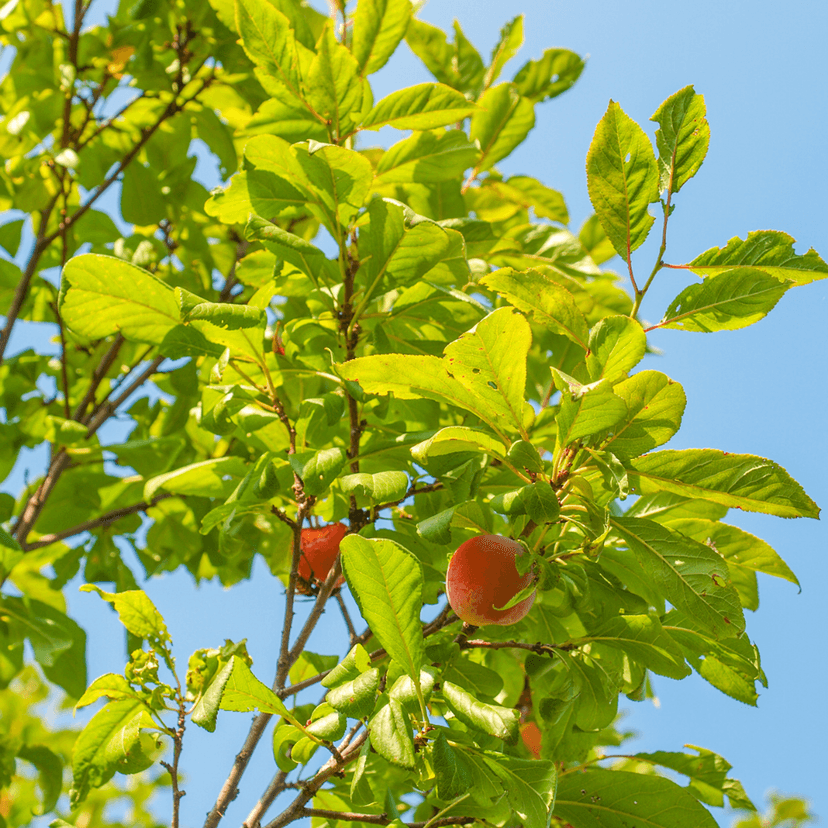
Peach needs winter cold to flower. In India most peaches are grown at 1,000-2,000 m in the hills; low-chill varieties such as Flordasun, Shan-e-Punjab and Sharbati are grown in the sub-tropical plains of Punjab and Uttar Pradesh.
Wild or seedling peach is the standard rootstock in India for budding named varieties, so home-raised seedlings are useful even if their own fruit is poor.
Peaches are self-fertile, but they flower early. On dry, sunny days dab each open flower with a soft brush, and protect blossom from forecast frost with fleece at night.
When fruits are between hazelnut and walnut size, remove small and misshapen ones so the rest are about 20 cm (8 in) apart. Yellow-fleshed types are ripe when the ground colour turns deep orange.
Chill peach stones through the winter months and raise sturdy seedlings for rootstocks or trial trees.
 European Plum Seeds from the HimalayasPrunus domesticafrom
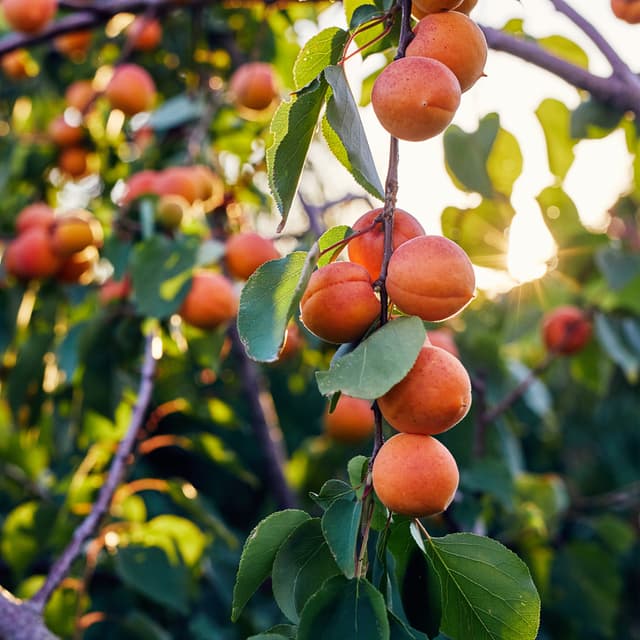 Himalayan apricot SeedsPrunus armeniacafrom
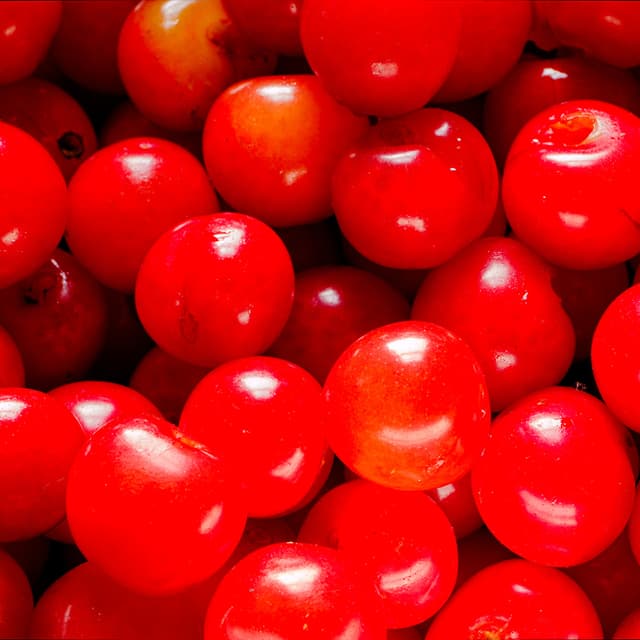 Himalayan sweet cherry SeedsPrunus aviumfrom
 Hot pepper Sugar Rush Peach SeedsCapsicum baccatumfrom
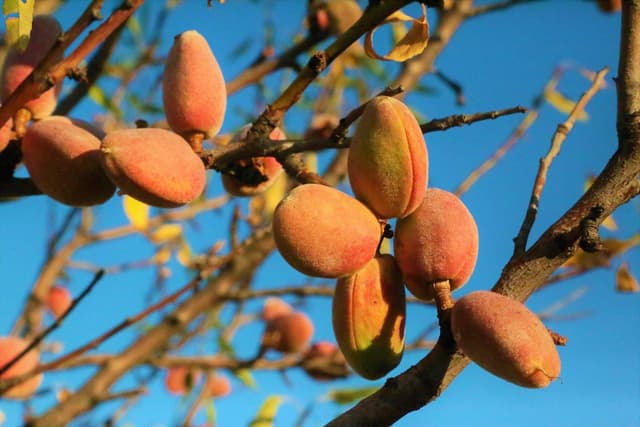 North himalayan almond (Badam) SeedsPrunus dulcisfrom
 Plum, Pear, Apple & Apricot Seed Projects — 4 Seed SelectionsPrunus domestica; Pyrus communis; Malus domestica; Prunus armeniacafrom
Not reliably. Seedlings vary and may take several years to bear; named varieties are budded or grafted onto seedling rootstocks.
Yes, if you sow it outdoors in autumn and the winter is cold; the soil does the chilling. In warm climates chill stones in the refrigerator for about 90 days first.
Only low-chill varieties such as Flordasun, Shan-e-Punjab and Sharbati crop in the sub-tropical north Indian plains; most peaches need hill climates of 1,000-2,000 m.