
Seed preparation
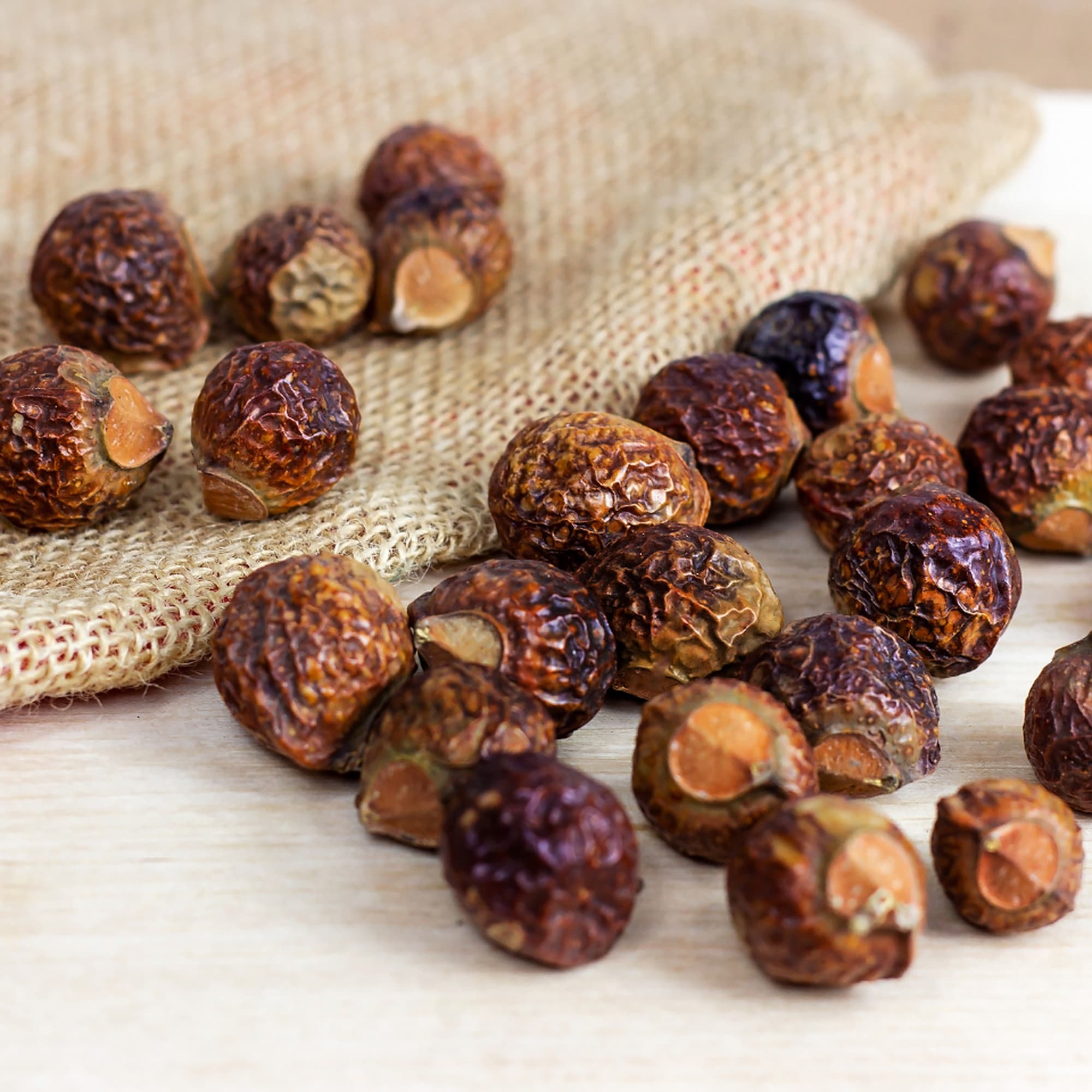
Collect ripe fruits from the tree or the ground in winter and sun-dry them. Gently crack the dry husk to free the round black seed. Seed stays viable for about 1-2 years, so sow fresh seed.
Tree growing guide
Soapnut seed is large, black and very hard, and untreated seed can take months to sprout. File or soak the seed before sowing for quicker, more even germination.
Collect ripe fruits from the tree or the ground in winter and sun-dry them. Gently crack the dry husk to free the round black seed. Seed stays viable for about 1-2 years, so sow fresh seed.
The hard seed coat is the main barrier. ICRAF advises filing the coat, which means rubbing a small patch thin with a file until the paler layer shows. Foresters reach 77-90% germination with concentrated acid or cow-dung slurry treatments, but acid is not a home method.
Not needed. Soapnut seed is held back by its coat, not by a cold requirement.
Use one of the safe options tested in a Nepal nursery trial: 3 minutes in boiled water then 48 hours in cold water; 5 minutes in boiled water then 120 hours in cold water; or 144 hours (6 days) in cold water followed by 120 hours in cow-dung slurry. In dry weather, ICRAF also recommends a 24-hour cold-water soak before sowing.
Sow in the warm season. The Nepal nursery trial sowed in early April in the lowland Terai, and in nursery beds germination began within about 10 days. No exact optimum temperature has been published for this species.
Cover the seed with soil about its own thickness and firm it in. In the nursery trial, seeds were sown in drills at 5 x 10 cm spacing.
A well-drained nursery bed, or deep pots of free-draining loamy soil.
Keep the bed evenly moist. In wet weather, unsoaked seed can be sown directly because the soil supplies the moisture.
Seed germinates under the soil. Give seedlings full light.
Treated seed: most within 3-4 weeks (90% at 4 weeks after the best acid treatment; 77-82% by 21 days with acid or cow-dung slurry). Untreated seed sown in April starts after about 3 weeks and keeps emerging for 2-3 months; some only come up the next year.
Plant out nursery seedlings at the start of the rains, disturbing the root ball as little as possible.
Soapnut is a large tree. ICRAF notes it has been used to reforest eroded hill slopes below 900 m in the western Himalaya, and it is grown across northern India.
Weed around young trees and water them through their first dry season until they are established.
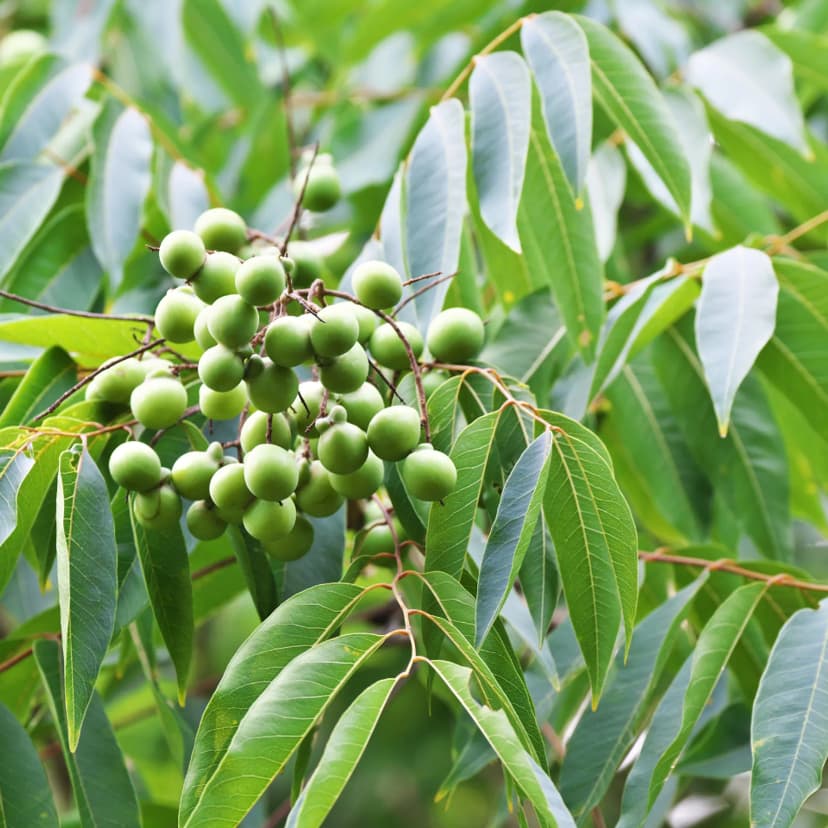
In the Himalayan region, fruits form in July-August and ripen by November-December. Gather them as they ripen or fall.
Sun-dry whole fruits until the husk is hard and dry, then store them dry. Take seeds out only when you are ready to treat and sow them.
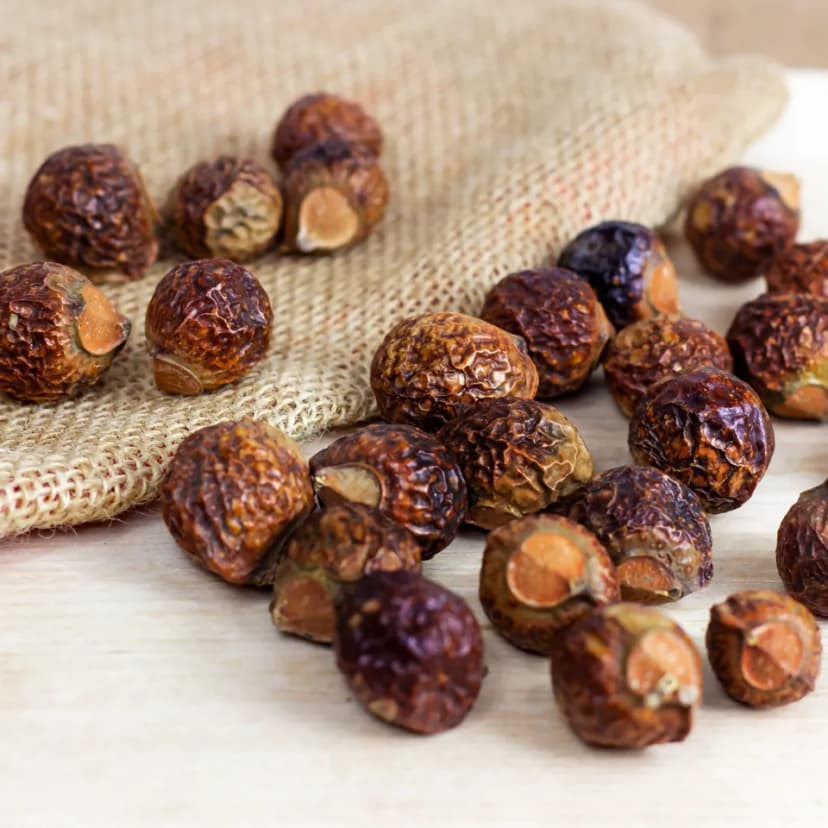
The dried fruit husk is the 'soap nut' used for washing. The tree also gives leaf fodder, fuelwood and fairly hard timber.
Soapnut belongs to the subtropical foothills. In the hot plains, give young trees regular water until they are established.
Treat soapnut seed with a file or a hot-and-cold soak, then sow fresh seed in warm, moist soil.
The hard coat blocks water. File the coat or dip the seed in boiled water for 3 minutes and then soak it in cold water for 48 hours. Untreated seed can take months.
About 1-2 years. Fresh seed from the latest winter harvest germinates best.
In the Himalayan region, fruits form in July-August and ripen by November-December.
Yes. Direct sowing works, as do nursery-raised seedlings. Pretreat the seed either way for quicker emergence.
