Free EMS courier delivery across India
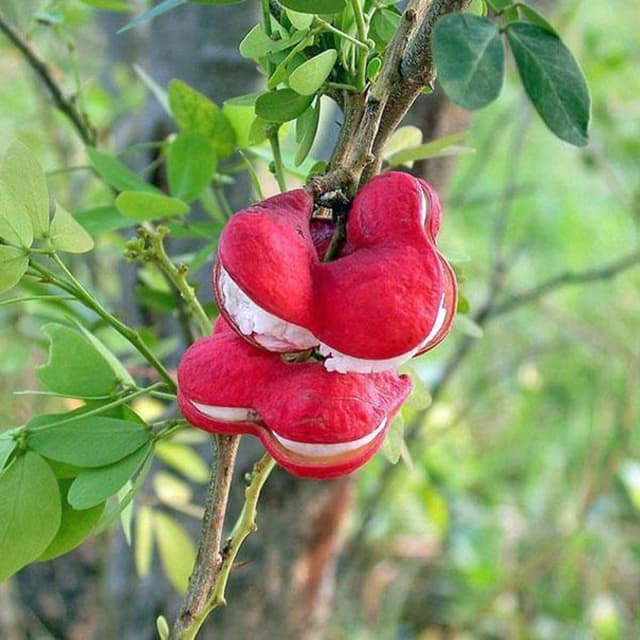
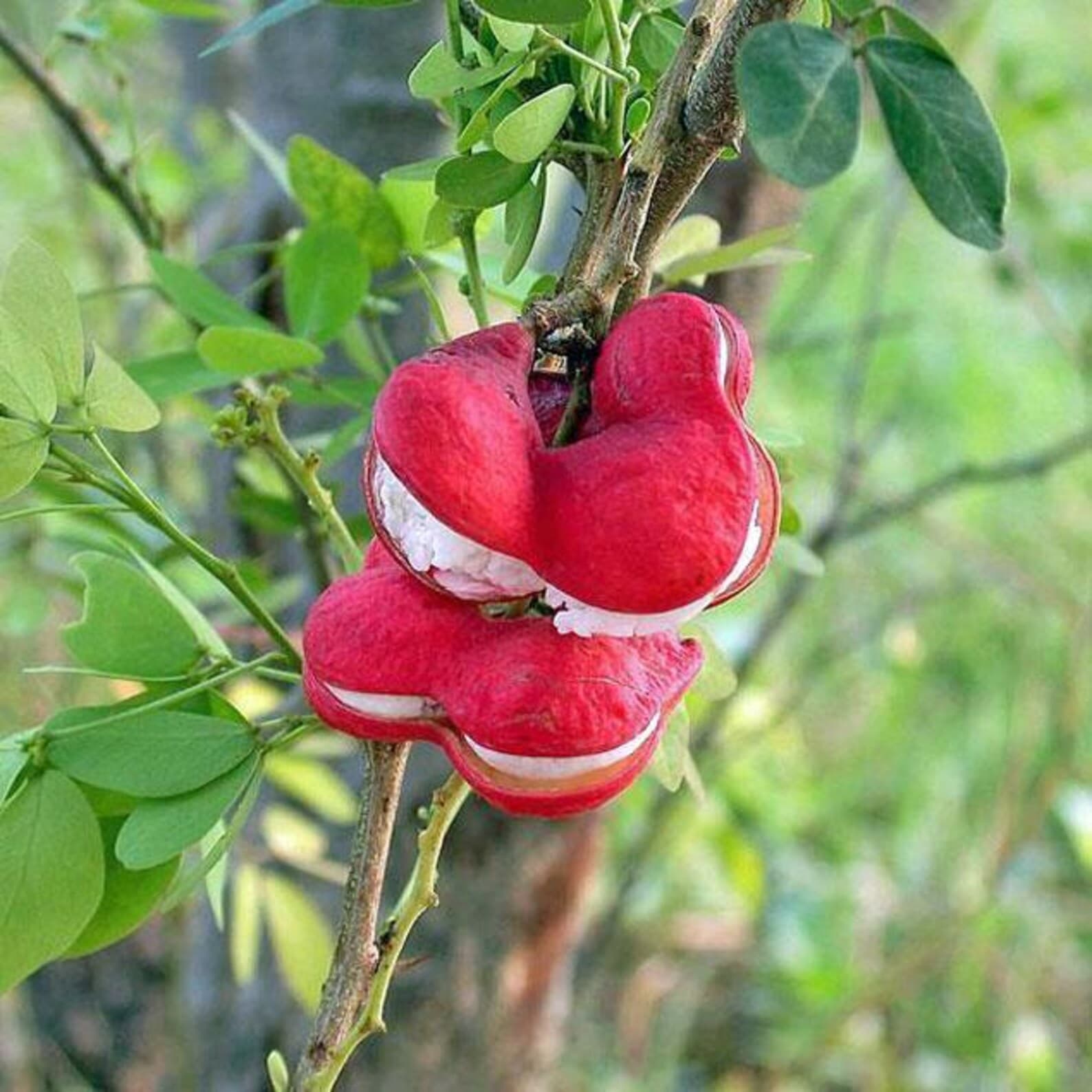
Pithecellobium dulce Manila Tamarind Seeds plant

Tree growing guide

How to grow Manila tamarind (jungle jalebi) from seedPithecellobium dulce

Manila tamarind, known in India as jungle jalebi or vilayati imli, is a fast, drought-hardy thorny tree with coiled pods of sweet, edible white pulp. Its seed germinates within days in warm conditions, and seedlings are ready to plant out in about three months.

24 to 32 °C
Germination temp.
1-2 days
Germination

At a glance

Germination temperature
Equally good anywhere from 24 to 32 °C (75-90 °F).
Sowing depth
Shallow, about the seed's own thickness, in bags or a bed.
Germination time
Very fast: 1-2 days for untreated seed in Puerto Rican tests; allow up to a couple of weeks.
Light
Not needed; light from 0 to 24 hours a day made no difference.
Pre-treatment
Often none needed; nicking or sanding the seed coat helps slow or hard seed.
Transplant or direct sow
Either: plant out nursery seedlings at about 3 months, or sow direct for a hedge.

Seed preparation

Seed preparation

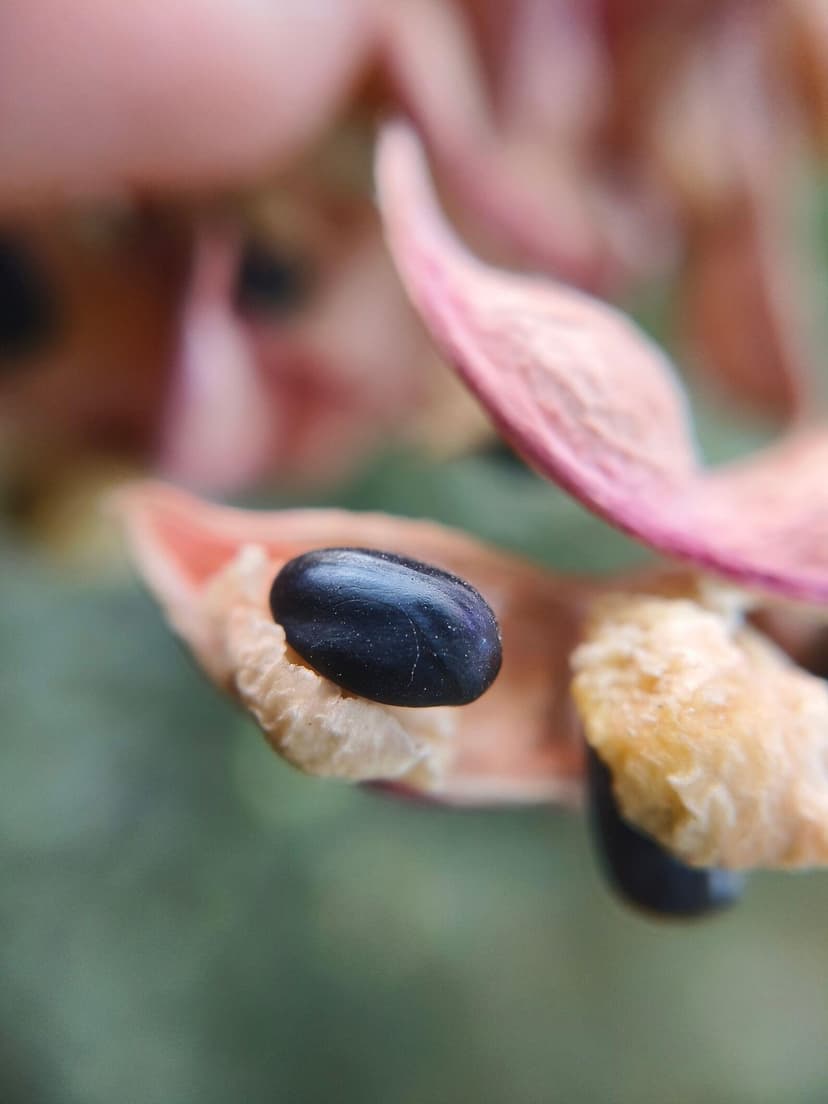
The coiled pods are 10-13 cm (4-5 in) long, hold 5-12 seeds and split open when ripe, from green to brown or black. Remove the pulp and dry the seeds in the shade. Sources disagree on whether the seed tolerates long storage, so sow within a season and keep any spare seed dry in a sealed jar in the refrigerator.
Scarification

Optional. Fresh seed often germinates well untreated (93% in one test), but some seedlots are dormant. A Brazilian study found that rubbing the seed coat with medium sandpaper broke dormancy best; clipping a small piece off the coat with nail clippers, away from the scar, also gave over 90% germination.

Stratification

Not needed. This is a tropical tree with no cold requirement.

Soaking

Not recommended as the only treatment. In the USDA summary, hot-water treatments and long soaks at room temperature gave poorer germination than untreated or scarified seed. If you scarify, a short soak of a few hours afterwards is enough.

Pithecellobium dulce Manila Tamarind Seeds

Germination conditions

Germination temperature

Germination was equally good at 24, 27, 30 and 32 °C (75-90 °F), so any warm season works. In India sow from late spring through the monsoon.

Sowing depth

Sow about the seed's own thickness deep, one seed per bag or spaced along a drill.

Growing medium

Ordinary well-drained nursery soil. The tree tolerates poor, salty and heavy soils later, but seedlings start best in a free-draining mix.

Moisture

Keep the medium moist but not waterlogged until the seedlings are up.

Light

Light is not needed for germination; 0 to 24 hours of light per day gave the same results. Grow seedlings in full sun once up.

Germination time

Untreated seed germinated 1-2 days after sowing in Puerto Rico. Slower, harder seed may take longer; scarify any seeds that have not swollen after a week.

Transplanting and first growth

  1. Transplanting

    Seedlings reach a plantable size of about 40 cm (16 in) roughly 3 months after sowing. Plant them out at the start of the rains so they root before the dry season.

  2. Hedge sowing

    For a live fence, sow seed directly in two rows about 15 x 30 cm (6 x 12 in) apart; with regular trimming it forms a dense, thorny barrier that keeps livestock out.

  3. First growth stage

    Growth is fast: on good soil trees can reach about 10 m (33 ft) in 5-6 years. The roots form nitrogen-fixing nodules, so young trees need little fertiliser.

Pithecellobium dulce Manila Tamarind Seeds

Common problems

ProblemSome seeds never swell
Cause
A hard, dormant seed coat in part of the seedlot.
What to do
Sand or nick those seeds and resow.
ProblemPoor germination after a hot soak
Cause
Hot water and long soaks damage this seed.
What to do
Sow untreated or lightly scarified seed instead.
ProblemYoung trees damaged by cold
Cause
Manila tamarind is drought-resistant but frost-sensitive.
What to do
Grow it only where frost is rare, or protect young plants in the first winters.
ProblemBark tunnels on older trees
Cause
In India, Indarbela larvae bore into the bark.
What to do
Inspect stems for frass-covered holes and cut out or treat affected branches early.

Practical growing tips

Hardy on poor land

The tree is highly tolerant of salinity and poor soils and can grow with its roots in brackish water, which makes it useful on coastal and degraded sites.

Prune freely

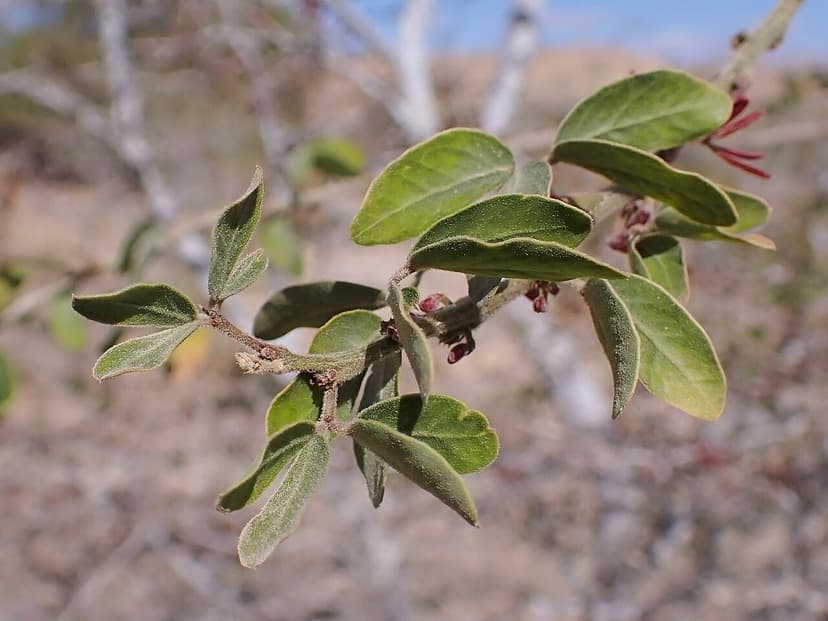
It withstands heavy pruning, lopping and browsing and resprouts vigorously after cutting, so it is easy to keep as a hedge or small tree. Pairs of thin spines 2-15 mm long sit at each leaf base, so wear gloves.

Plant responsibly

Outside its native Central and South America it has naturalised in many places and is considered a pest in Florida. It also sends up root suckers if roots are damaged. Plant it where spread can be controlled, and remove unwanted seedlings.

Harvest

Pick pods as they turn from green to brown and begin to split; the sweet, slightly acid pulp around the seed is the edible part.

Manila tamarind seeds from Deodar

Grow jungle jalebi from seed for a fast, drought-hardy hedge or fruit tree.

Frequently asked questions

Do Manila tamarind seeds need hot water treatment?

No. Hot water and long soaks actually lowered germination in tests. Sow untreated seed, or lightly sand or nick the seed coat if it is hard.

How fast do jungle jalebi seeds germinate?

Very fast in warm weather: in tests untreated seed germinated 1-2 days after sowing.

Is Manila tamarind invasive?

It has naturalised outside its native range and is considered a pest in Florida. It also suckers from damaged roots, so plant it where it can be managed.