
Seed preparation
Sow the seed as supplied. Small seed lots are easiest to sow evenly when mixed with a little dry sand.
Herb growing guide
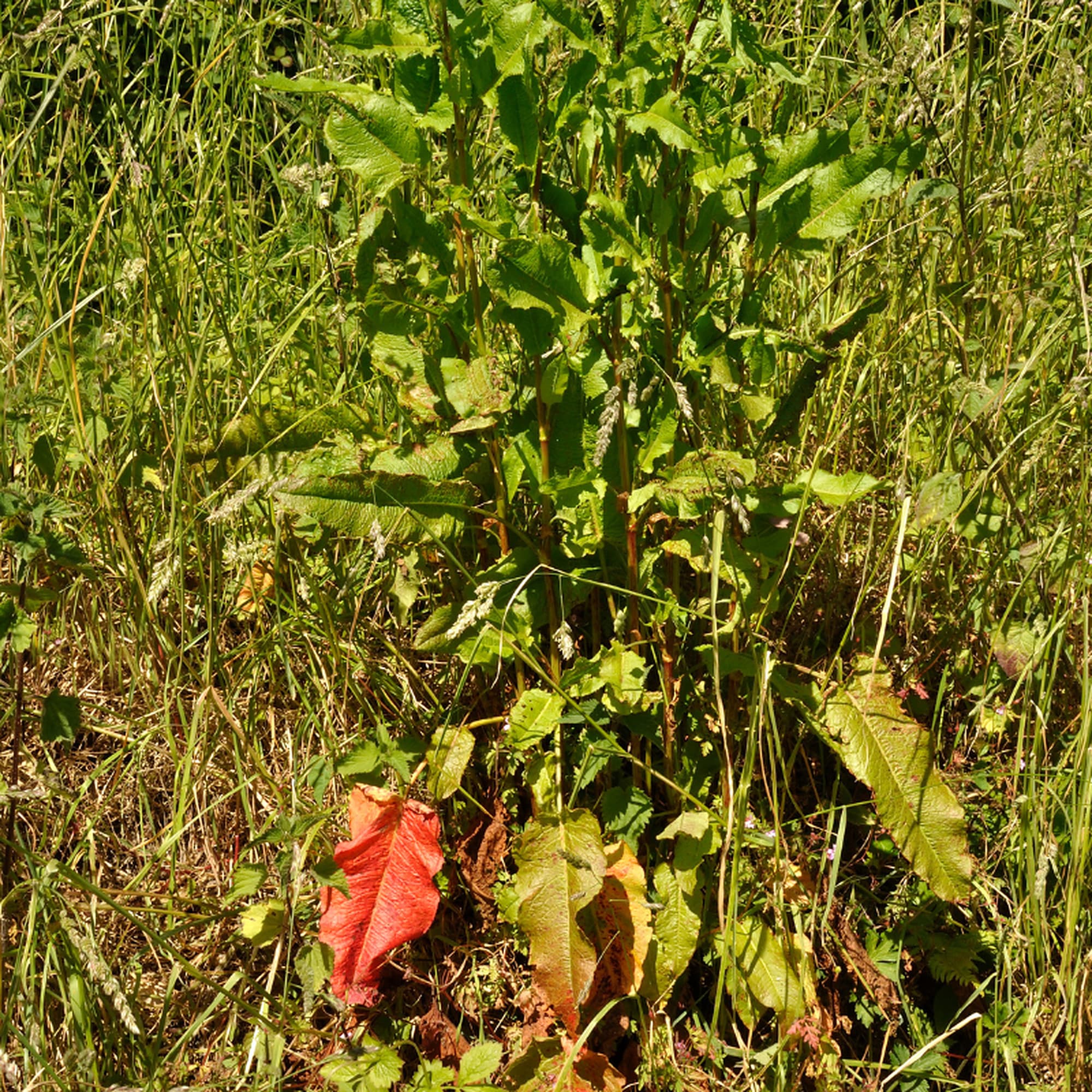
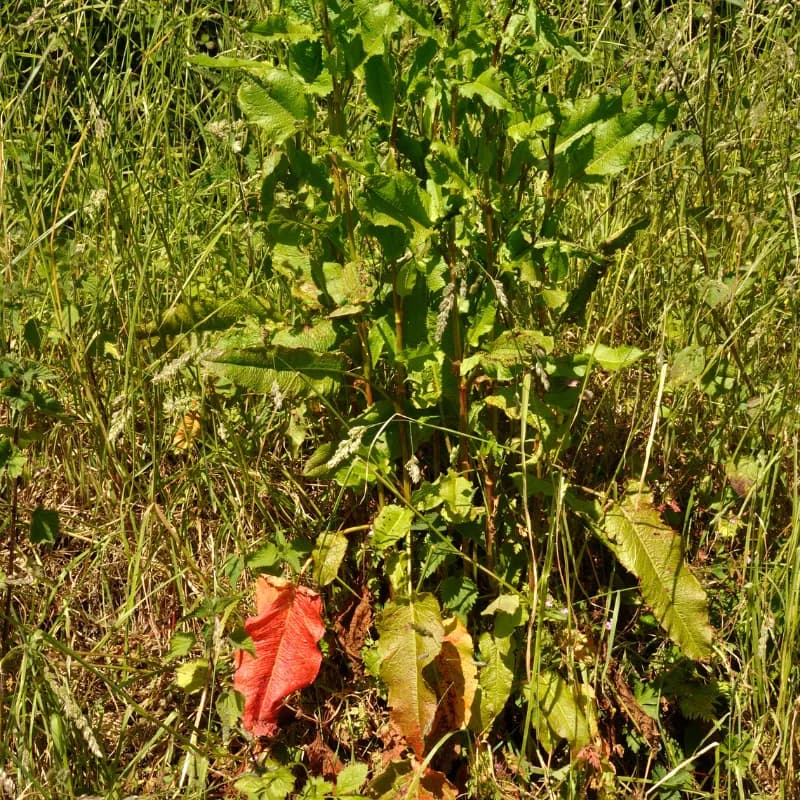
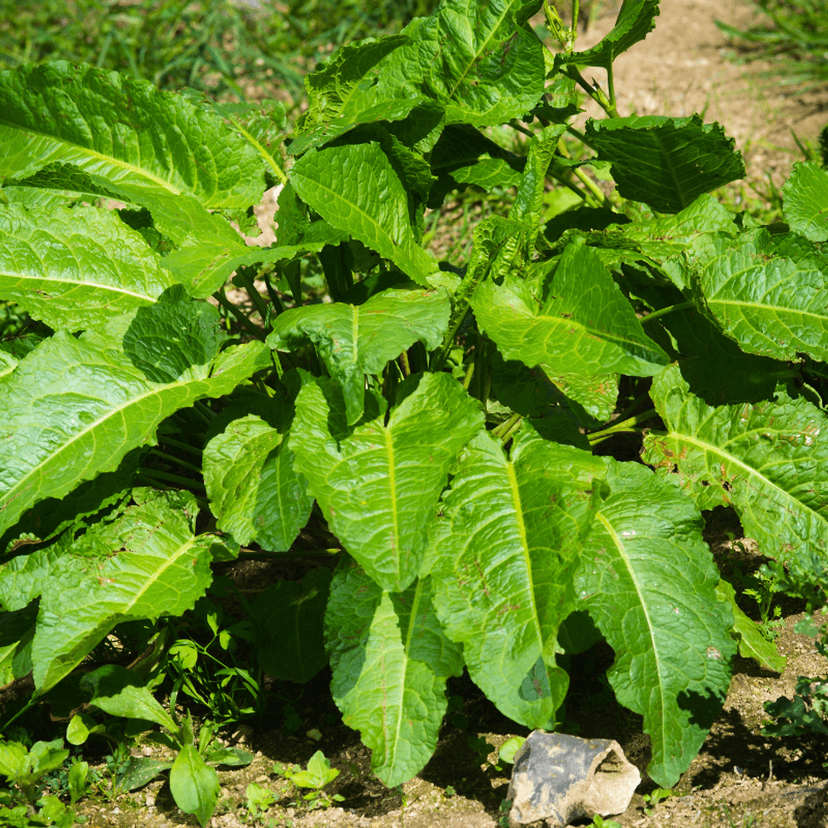
Bitter dock, or broad-leaved dock, is a hardy taprooted perennial and a persistent weed of pastures and gardens. It is easy to raise from surface-sown seed, but it must be kept from setting seed so it does not spread.
Sow the seed as supplied. Small seed lots are easiest to sow evenly when mixed with a little dry sand.
Not needed. Dormancy in dock seed is not caused by a hard coat.
Not needed. Seed is dormant when shed but loses that dormancy naturally over the following months, so seed stored for a season germinates better than seed sown straight from the plant.
Not needed. Light and alternating day and night temperatures do more for germination than soaking.
Seed germinates between 10 and 35 °C (50-95 °F), most strongly at 20-25 °C (68-77 °F). Outdoors, seedlings appear in flushes in spring and autumn once the soil is above 15 °C (59 °F) and days and nights differ clearly in temperature. In hot tropical lowlands, sow in the cooler months.
Scatter seed on the surface and press it in, or cover with no more than a dusting of fine soil. Emergence is best at or near the surface; only a few seedlings emerge from 5-8 cm (2-3 in).
Any ordinary garden soil or seed compost. Dock is not fussy and thrives even on compacted, trampled ground. Do not add extra fertilizer: high nitrate reduces germination.
Keep the surface damp until seedlings appear. Seedlings tolerate trampling but are killed by frost; established rosettes overwinter.
Light increases germination, while light filtered through a leaf canopy reduces it. Sow in an open, unshaded spot or tray.
Expect uneven emergence. Some seeds sprout within weeks; others stay dormant and come up months later, and buried seed can survive in soil for decades.
If you raise seedlings in trays, move them while they are small rosettes. The plant quickly forms a large, branched taproot below a short underground stem, so older plants are difficult to transplant.
In its first season the plant forms a leafy rosette and rarely flowers. Flower stalks up to about 1.2 m (3-4 ft) appear from the second year, from spring until hard frost.
Grow dock in a defined bed or a deep pot where it cannot spread into pasture or vegetable beds, and keep track of every plant.
Individual plants live only a few years; fewer than 2% survive more than four years. Their seed bank is what keeps dock going.
Dock responds strongly to nitrogen. Avoid heavy manuring or nitrogen feeds near the bed.
A large plant can produce from 100 to more than 60,000 seeds, which spread on wind, water, animal fur, manure and contaminated seed.
Broad-leaved dock is native to Europe and now widespread worldwide as a weed. It is treated as a weed in many regions, so check local rules before growing it outdoors.
Sow bitter dock on the surface in good light and keep it contained.
No. Both belong to the genus Rumex, but garden sorrel is Rumex acetosa. Bitter dock, Rumex obtusifolius, is a coarse broad-leaved perennial best known as a weed.
Dock seed is dormant when shed and needs light to germinate well. Sow on the surface and expect seedlings to appear over several weeks or in a later flush.
Yes, if it sets seed or if root pieces are left in the soil. Cut flower stalks before the seed ripens and lift unwanted plants with the whole crown.
