
Seed preparation
The seed is tiny (about 0.1 mg each). Mix it with dry fine sand before sowing so it spreads evenly. Seed keeps well when dry; in undisturbed soil it can survive for decades.
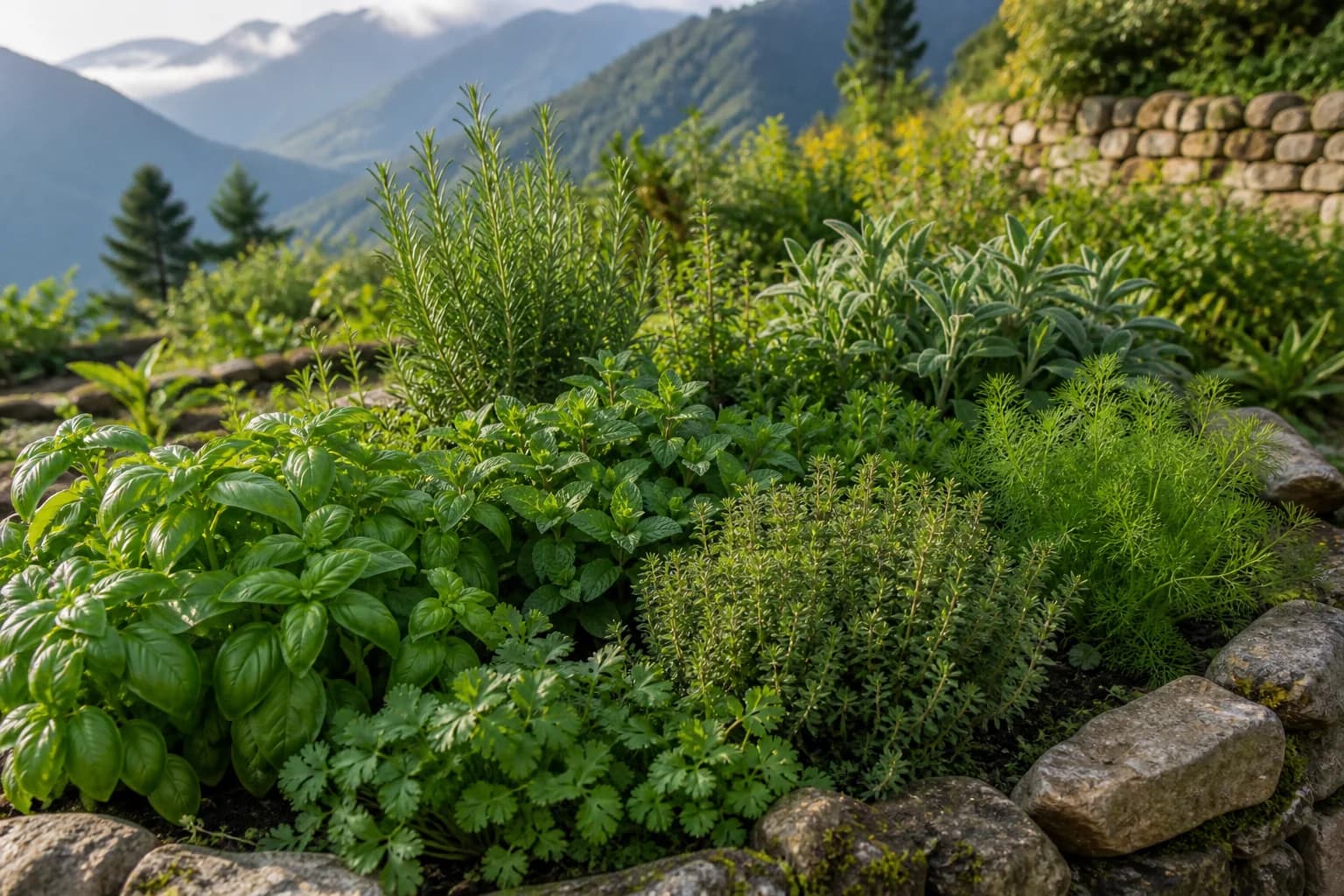
Herb growing guide
Shepherd's purse is a fast, cool-season leafy herb of the cabbage family whose young rosettes are picked as a peppery green. The keys are a cool sowing time, seed left on the surface in the light, and picking before the plants run to flower.
The seed is tiny (about 0.1 mg each). Mix it with dry fine sand before sowing so it spreads evenly. Seed keeps well when dry; in undisturbed soil it can survive for decades.
Not needed. The seed coat does not block water uptake.
Useful for fresh or slow seed. Ripe seed is dormant and needs cold before it will sprout. In a laboratory study, 45 days of wet chilling was the best dormancy breaker (48.5% germination), while dry chilling had no effect. At home, mix seed with damp sand and keep it in the refrigerator for about six weeks, or simply sow in autumn and let the winter do it.
Not needed. Soaking does not replace moist chilling, and wet tiny seed is hard to sow evenly.
Seed germinated from 10 to 30 °C (50-86 °F) in that study, best near 30 °C when it had light. Cornell weed scientists note that soil hotter than about 35/20 °C (95/68 °F) day/night pushes seed into full dormancy, so sow in the cool season: early spring or autumn in temperate gardens, and October to February in the Indian plains.
Scatter on the surface and press in, or cover with no more than 0.5 cm (1/4 in) of fine soil. Most seedlings come from the top 1.3 cm (1/2 in), very few from below 2.5 cm (1 in), and none emerged from 4 cm in the pot test.
Any fine, crumbly seedbed. Shepherd's purse tolerates a very wide range of soils; in the study it germinated from pH 3 to pH 11, but a fertile loam gives larger, more tender rosettes.
Keep the surface constantly damp with a fine spray until seedlings are established. Germination fell by half under mild drought stress, so a crusted, dry surface is the usual cause of failure.
Seed generally needs a short exposure to light to germinate, which is why surface-sown seed does best.
Not a fixed figure: chilled, non-dormant seed sprouts readily in cool moist soil, while dormant seed emerges over several weeks.
Grow it where it is sown. Sow thinly in short rows or broadcast over a small bed, then thin crowded seedlings (eating the thinnings) so each plant has room to form a full rosette.
Plants form a flat rosette of lobed leaves. Spring-emerging plants can flower in under four weeks, so start picking young leaves as soon as rosettes are large enough.
Young foliage is used as a pot herb or to add a peppery taste to salads; once the flower stem shoots up the leaves become tough.
The plant is fairly shade tolerant and stays leafy longer out of hot midday sun.
Autumn-sown rosettes survive about -12 °C (10 °F) once hardened and give an early spring crop in cold climates.
Seed is ripe once the heart-shaped pods reach full size; each pod holds 10-20 seeds. Cut stems into a paper bag.
Sow shepherd's purse on the surface in cool weather for tender peppery rosettes within weeks.
Usually because they were covered too deeply or sown into warm soil. The seed needs light and cool conditions, and fresh seed may need a few weeks of moist chilling first.
In the cool season: in the plains from about October to February; in the hills in spring and autumn. Hot summer soil makes the seed dormant.
Yes. Sow on the surface of a moist, fine potting mix, keep it in bright light out of hot sun, and pick the rosette leaves young.