
Seed preparation
Seeds are long, ribbed achenes with a feathery parachute. Snip or rub off the parachute if it makes sowing awkward, and keep seed dry until use.
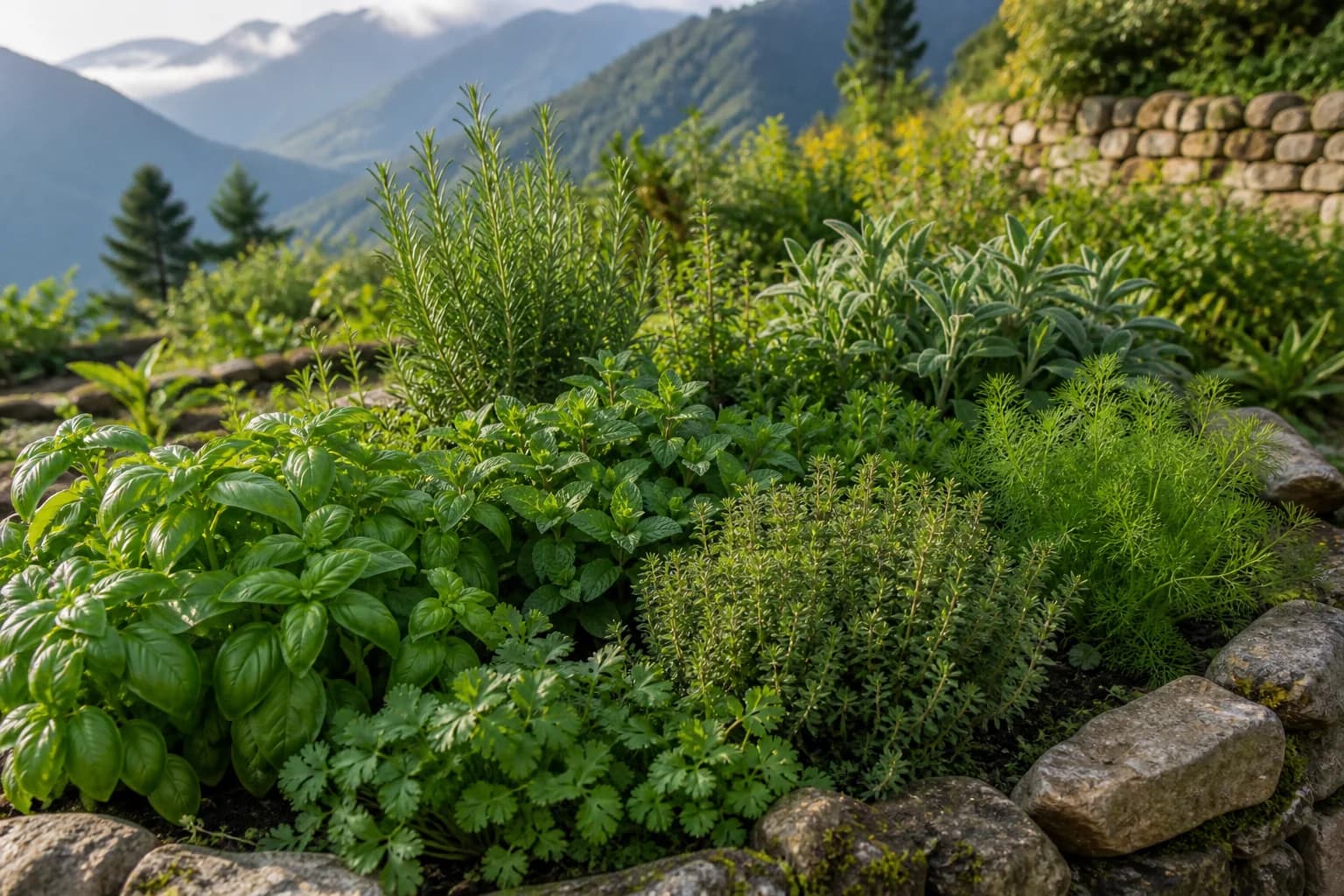
Herb growing guide
Meadow salsify, or goat's-beard, is a hardy biennial meadow plant with a sweet taproot, edible young shoots and yellow flowers that close by midday. It germinates fast in cool soil from seed sown about 2 cm deep, but dislikes heat and waterlogging at sowing.
Seeds are long, ribbed achenes with a feathery parachute. Snip or rub off the parachute if it makes sowing awkward, and keep seed dry until use.
Not needed. Water enters the seed freely.
Not needed for normal dry-stored seed. In a University of British Columbia study, 2-10 weeks at 5 °C (41 °F) helped only seed that had been pushed into secondary dormancy.
Avoid it. One day in oxygen-poor water sent 86% of meadow salsify seed into secondary dormancy in the same study. Sow dry seed into moist, well-drained soil.
Optimum 15 °C (59 °F); no germination below 10 °C (50 °F) or above 30 °C (86 °F). Sow in spring or early autumn in temperate gardens. In India it suits hill gardens or the cool season in the plains; hot soil above 30 °C stops germination.
About 2 cm (3/4 in), where emergence was highest in pot trials. Seed buried 8 cm (3 in) or deeper germinated but never reached the surface.
Any garden soil (clay, loam, sand or chalk) in acid to alkaline conditions; a deep, stone-free bed gives straighter roots.
Keep evenly moist but never waterlogged, as saturated, airless soil can induce dormancy.
Germination is not light dependent; cover the seed. Grow on in full sun.
At 15 °C (59 °F), maximum germination came within 4-6 days; at 25 °C (77 °F) it took 14-28 days.
Sow where plants are to grow; like other taprooted plants it moves badly. If you raise seedlings in cells, plant them out young, before the root reaches the bottom of the cell.
In the first year plants make a low rosette of grass-like leaves. Thin crowded seedlings so each root has room. Flowering stems up to 0.5-1 m (20-40 in) appear in the second year.
Pick young leaves and shoots in spring, cook young flower stems like asparagus in the second year, and lift roots for cooking; NC State notes the roots are sweet and best cooked when older.
Flowers open on sunny mornings and close by noon, hence the old name Jack-go-to-bed-at-noon.
It is fully hardy (RHS H7), so first-year rosettes overwinter outdoors in cold climates.
The RHS suggests wild gardens, where its self-seeding is welcome rather than a nuisance.
Sow meadow salsify 2 cm deep in cool weather for edible shoots, sweet roots and morning flowers.
Usually a biennial: a rosette in year one, flowers and seed in year two. Some plants behave as short-lived perennials.
No. Seed held in oxygen-poor water can become dormant. Sow it dry into moist, well-drained soil.
Only in the cool season or at altitude. Seed will not germinate above 30 °C (86 °F), and the plant is native to temperate Europe and Asia.