
Seed preparation
The seed is tiny, about 1 mm across. Mix it with fine sand before sowing so it spreads evenly; TNAU uses one part seed to ten parts sand.
Leafy vegetable growing guide
Red amaranth is one of the fastest leafy greens to grow in warm weather. Sow the tiny seed shallowly into warm soil and start picking leaves in about a month.
The seed is tiny, about 1 mm across. Mix it with fine sand before sowing so it spreads evenly; TNAU uses one part seed to ten parts sand.
Not needed. Fresh amaranth seed takes up water readily.
Not needed. It is a warm-season crop and needs warmth, not cold, to germinate.
Not needed. Keep the sown surface moist instead.
Sow when the soil has reached about 21 °C (70 °F). In cool soil below 10 °C (50 °F) seed rots or fails, so in temperate climates wait until after the last frost. In most of India it can be sown throughout the year.
3-6 mm (1/8-1/4 in). Deeper sowing, as in the old 1-2 cm advice, buries such small seed too deep.
Fertile, well-drained loam rich in organic matter; TNAU prefers slightly acidic soil. In heavy rain, sow on raised beds.
Water the bed before and after sowing and keep the surface moist until seedlings are up; then water about weekly, more in hot dry spells.
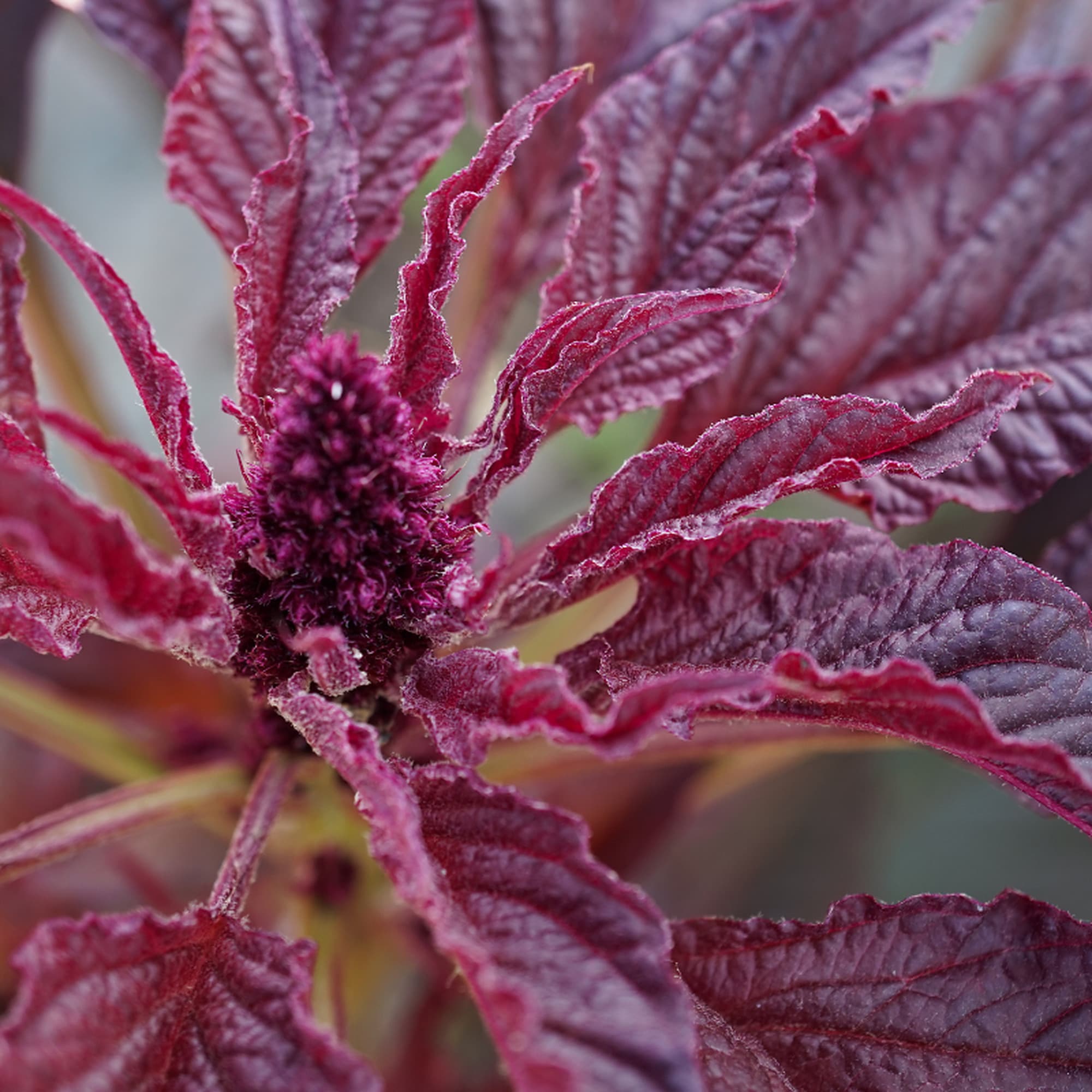
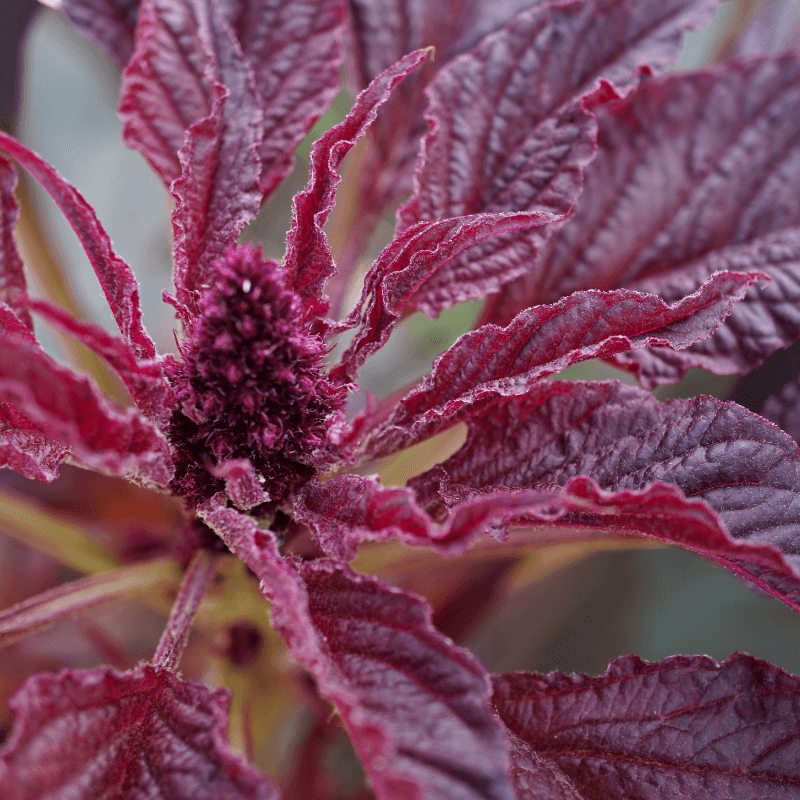
Full sun. Red leaf colour is strongest in bright light.
About 7 days; the legacy guide's 7-10 days fits cooler sowings.
Most growers sow directly. If you raise seedlings in trays, move them out soon after the last frost while they are young; late transplanting can make plants flower early.
In gardens sow about 2.5 cm (1 in) apart in rows 30-45 cm (12-18 in) apart and thin to 15 cm (6 in). TNAU thins broadcast beds to 12-15 cm. Thinnings are edible.
Weed carefully while seedlings are small. Growth is rapid once plants have a few true leaves and the weather is warm.
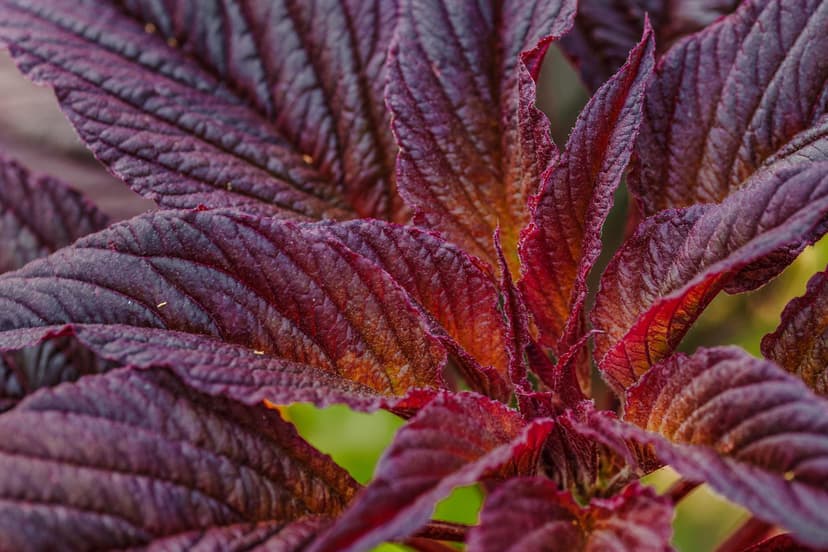
Pull whole young plants for tender greens from about 25-30 days, or cut leaves and shoot tips and let plants regrow for another picking about two weeks later. TNAU clipping varieties give about ten weekly cuts.
Work well-rotted manure into the bed. TNAU's basal dose for leaf amaranth is mainly nitrogen with some potash, applied before sowing.
Sow small batches every two to three weeks for a steady supply of young leaves.
Once plants flower, leaves become fewer and tougher. Let a few plants go to seed only if you want to save seed.
Sow shallowly into warm soil for quick, colourful leafy greens.
Young plants are ready from about 25-30 days after sowing in warm weather. Cut-and-come-again picking continues until plants start to flower.
Usually the soil was too cold or the seed was buried too deep. Sow 3-6 mm deep into soil of about 21 °C and keep the surface moist.
Yes. Use a reasonably deep pot of free-draining compost, sow thinly, thin to a few plants, keep it in full sun and water regularly.

