
Seed preparation
The fruit splits into about ten small segments (mericarps), each with two barbed awns and a seed about 2 mm across. Sow cleaned seed or whole segments.
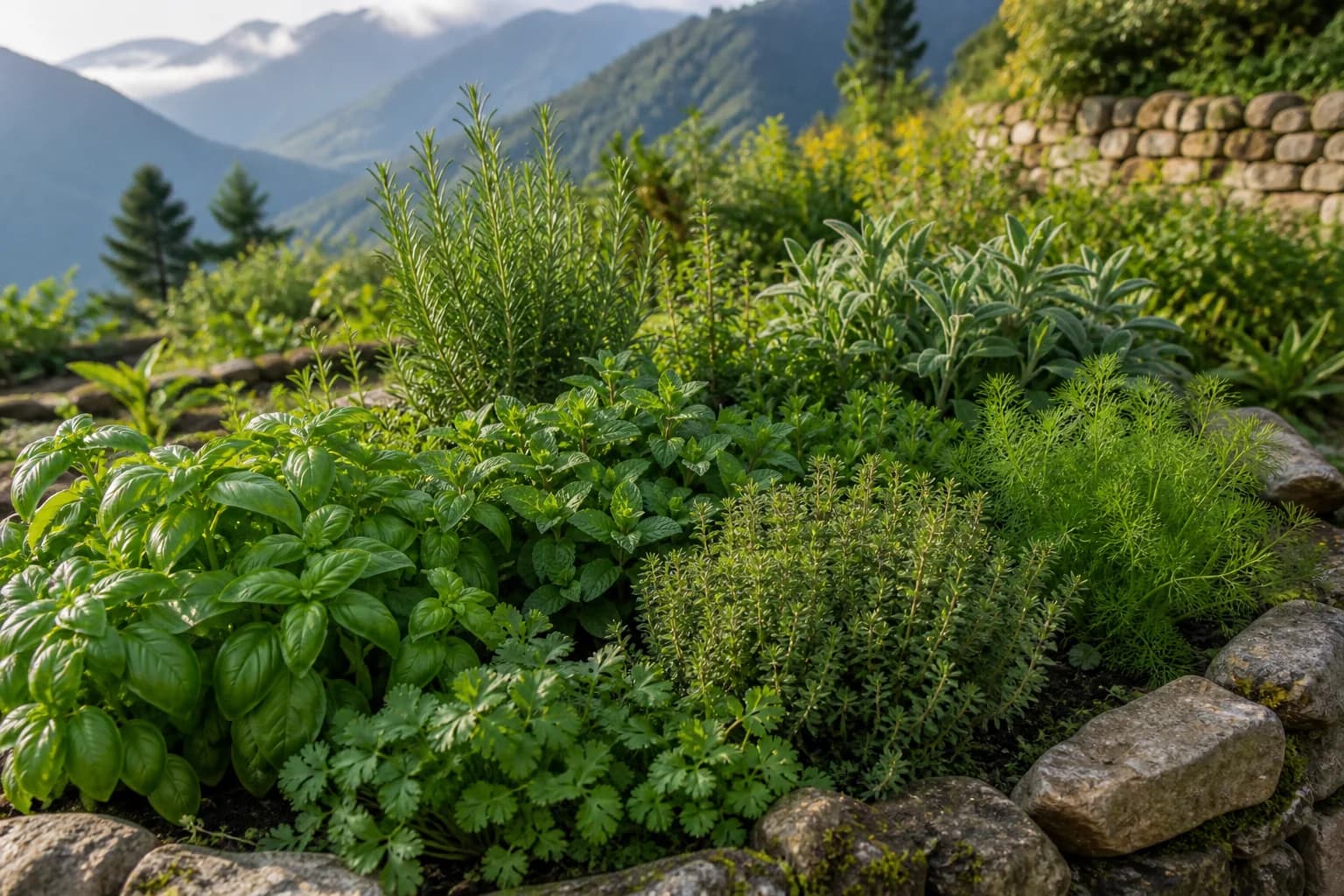
Herb growing guide
Sida cordifolia is a tough, hairy, yellow-flowered mallow of dry tropical ground. Its hard seed needs scarifying before sowing; after that it grows easily in sun and light, well-drained soil.
The fruit splits into about ten small segments (mericarps), each with two barbed awns and a seed about 2 mm across. Sow cleaned seed or whole segments.
Needed. In a trial in India untreated seed germinated only 12%, while effective treatments raised it to about 80% and germination began from day 7. At home, rub the seed gently between two sheets of fine sandpaper or nick the coat with a nail clipper, away from the seed scar, until it looks dull.
Not needed. This is a tropical plant without a cold requirement.
Optional. A published germination method for bala that used a boiling-water pre-treatment reached about 50% germination. A simpler home option is to soak sanded or nicked seed in room-temperature water for a few hours and sow the seeds that have swollen.
Sow in warm weather. In India sow in spring or at the start of the rains; in temperate climates sow indoors in warmth and plant out after the last frost.
About 0.5 cm (1/5 in). Deeper sowing reduces seedling quality.
Light, sandy, well-drained mix; a mix of two parts soil, two parts sand and one part manure suited it in an arid-zone trial.
Keep the top layer moist, not wet, until seedlings appear.
No special light need under the thin cover; move seedlings into full sun soon after they emerge.
Scarified seed starts to germinate in about a week; emergence continues unevenly for some time.
Move tray-sown seedlings into pots or the bed when they have two to four true leaves, keeping the root ball intact. Space plants 20-30 cm (8-12 in) apart, as the old guide advised.
Water until the plants are growing away, then reduce watering. Weed while plants are small; once established they are tough and competitive.
In the wild it grows in sandy fields, clearings and dry waste places, from near sea level to high elevations. It is not fussy about soil if drainage is good.
Work some compost or manure into the bed before planting; regular mineral feeding is not needed.
Harvest when the fruits turn brown and start to split. Wear gloves: the barbed awns cling to skin and clothing. Dry the seed in shade and store it cool and dry.
Plants can be short-lived perennials in frost-free areas; elsewhere treat them as annuals and resow each year.
Scarify the seed and sow it shallowly in warm weather for a hardy, sun-loving mallow.
Most likely the hard seed coat was not broken. Untreated seed germinates poorly; sand or nick each seed and sow it about 0.5 cm deep in warm weather.
Research used sulphuric acid, but it is dangerous at home. Gentle sanding or nicking does the same job safely.
No. They are different species of the same genus. Check the botanical name when buying seed.
It is an erect, branching plant usually 0.3-1.5 m (1-5 ft) tall, with soft, velvety, heart-shaped leaves and small yellow flowers clustered near the shoot tips.